
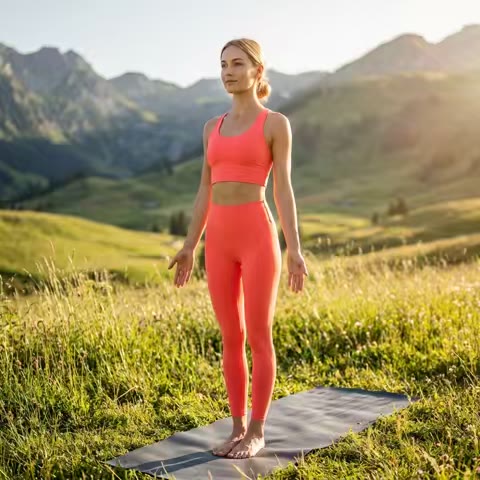
Mountain Pose (Tadasana)
The reference standing shape. Feet rooted, crown lifting, arms at the sides — every other standing asana is measured against the alignment learned here.
Complete Asana Encyclopedia
Every posture mapped by Sanskrit name, posture family, difficulty level, Vata/Pitta/Kapha dosha effect, Ujjayi breath pattern, Drishti gaze, and MET energy expenditure.
The reference standing shape. Feet rooted, crown lifting, arms at the sides — every other standing asana is measured against the alignment learned here.
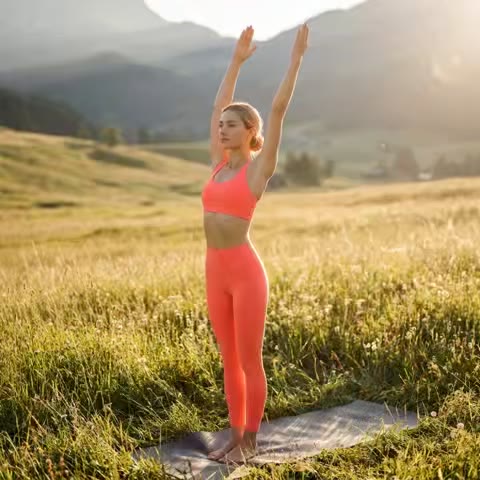
Tadasana with the arms sweeping overhead. Opens the front body and sets the first inhale of a sun salutation.
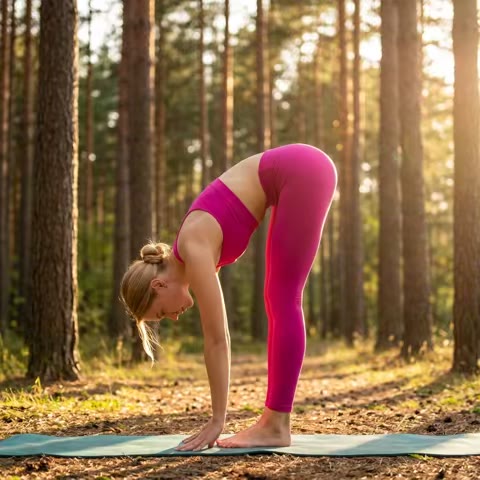
A full forward hinge from the hips with the spine long. Calms the nervous system and lengthens the whole posterior chain.
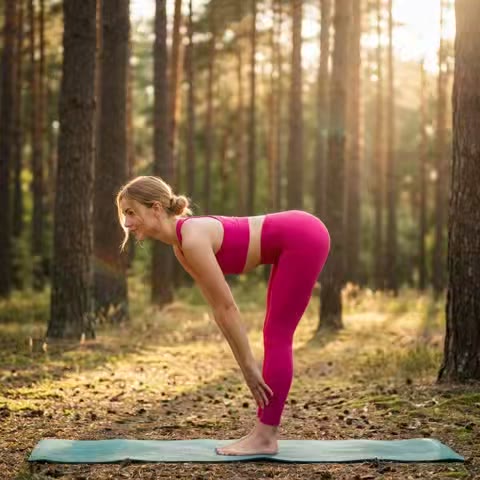
The flat-back halfway lift between fold and step back. Teaches spinal length before the hamstrings are asked to release.
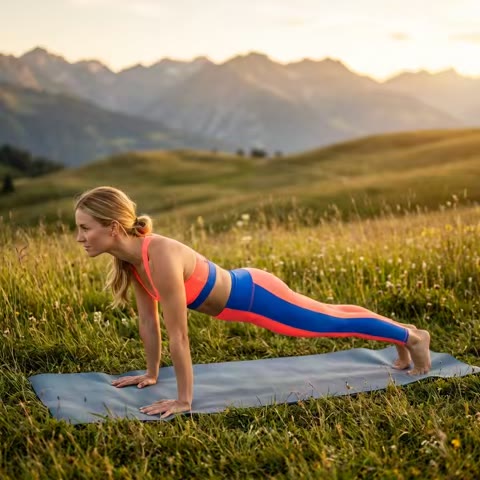
A low push-up hold with elbows tracking back over the wrists. The most commonly rushed shape in vinyasa and the most common source of shoulder strain.
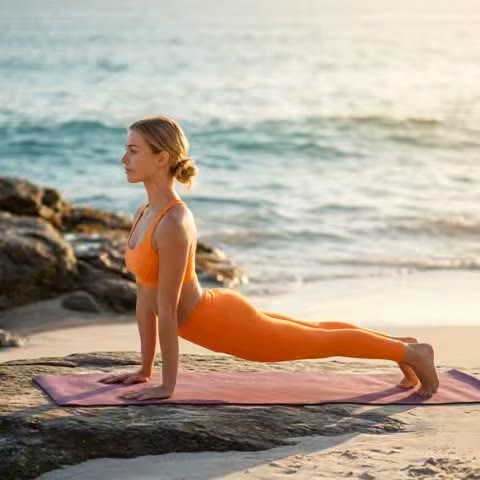
Thighs lifted clear of the floor, chest drawing forward through the arms. A true backbend rather than a rest, unlike cobra.
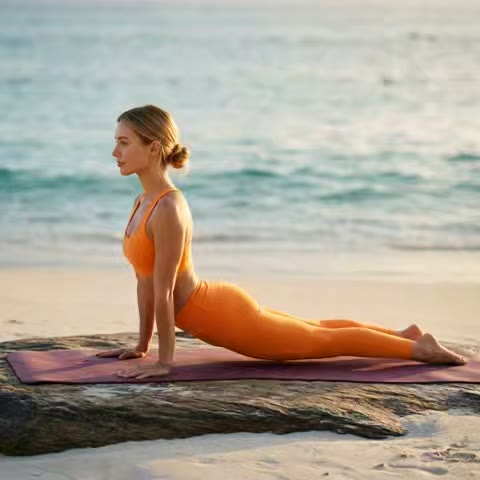
A low chest lift with the legs and pelvis grounded and very little arm push. The gentler backbend of the sun salutation family.
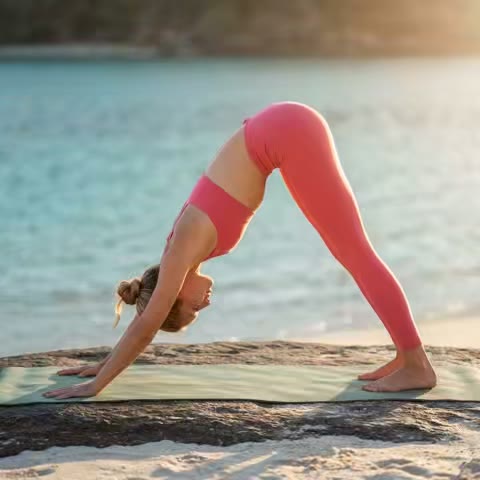
An inverted V with hips lifting and heels descending. The most-used shape in modern practice and a mild inversion in its own right.
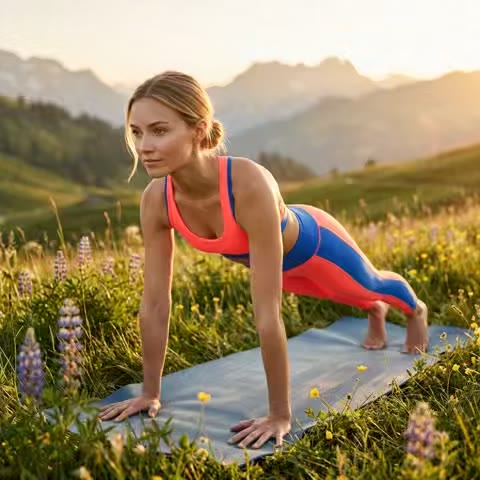
A straight line from crown to heels supported on hands and toes. Builds the shoulder and core stability every arm balance later depends on.
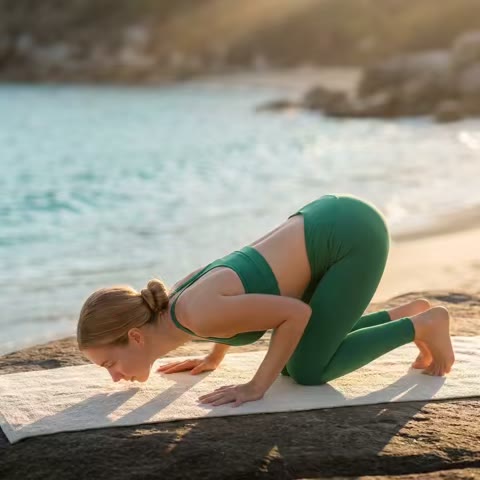
Eight points touching the floor — knees, chest and chin — as the gentler alternative to chaturanga in classical sun salutations.
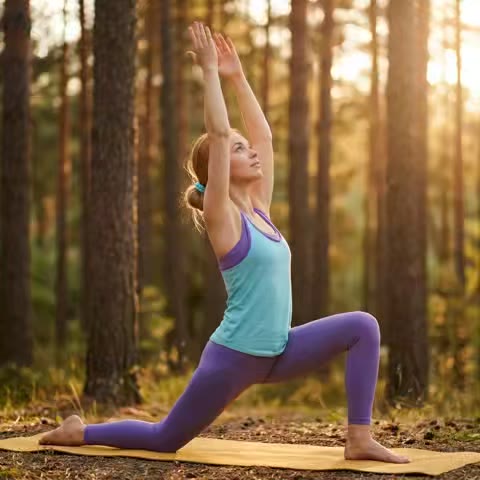
Back knee down, hips sinking forward, arms often overhead. The primary hip flexor opener and a staple of the sun salutation cycle.
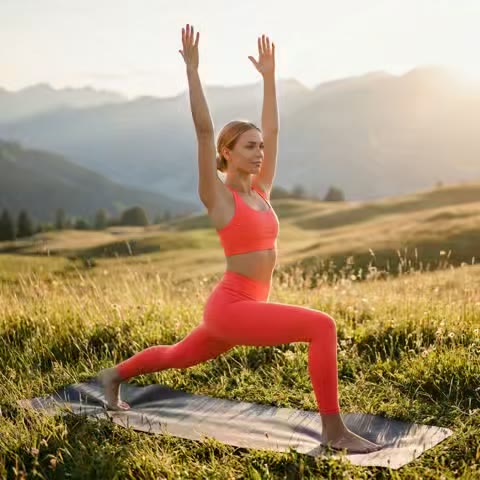
Back heel lifted, front knee stacked over the ankle, torso upright. Strong in the legs and demanding on balance in a way low lunge is not.
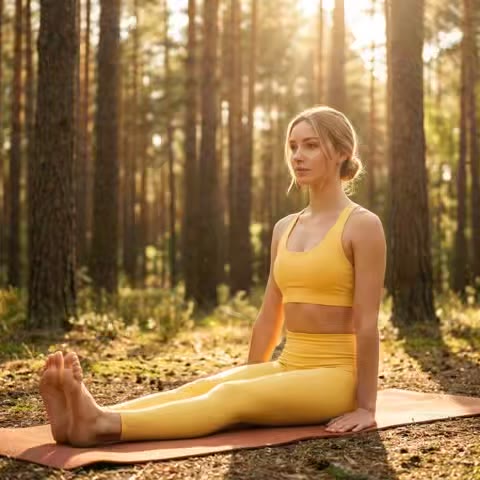
Seated with legs extended and spine vertical. The seated counterpart to tadasana and the reference for every seated forward bend.
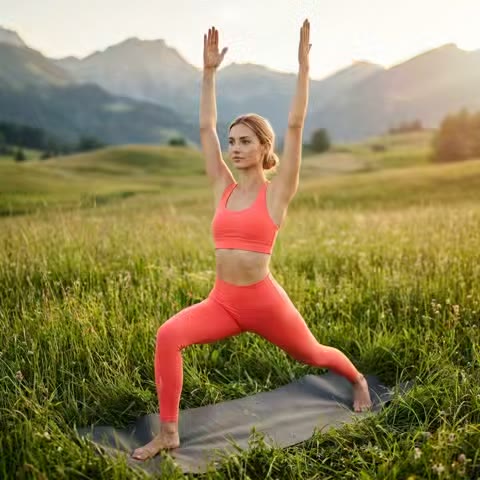
Front knee bent, back foot angled in, hips and chest turning forward with arms overhead. Squares the pelvis in a way the other warriors do not.
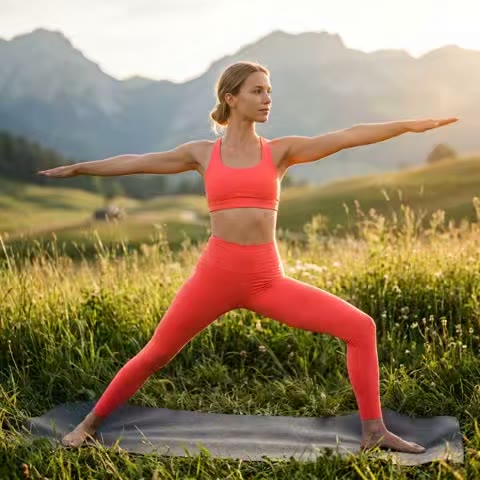
Hips open to the side, arms extended front and back, gaze over the front hand. Builds the leg endurance the standing sequence is named for.
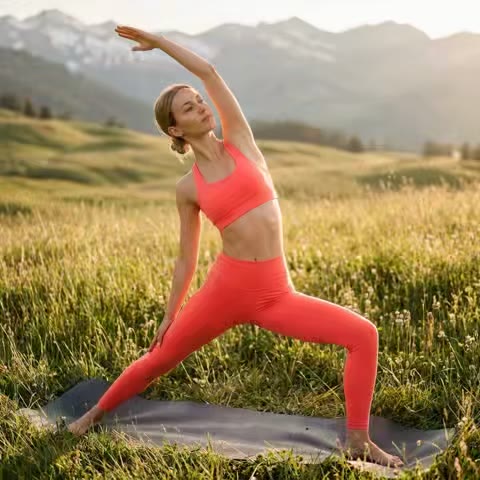
Warrior II with the front arm sweeping overhead and the torso arching back. A side-body opener rather than a true backbend.
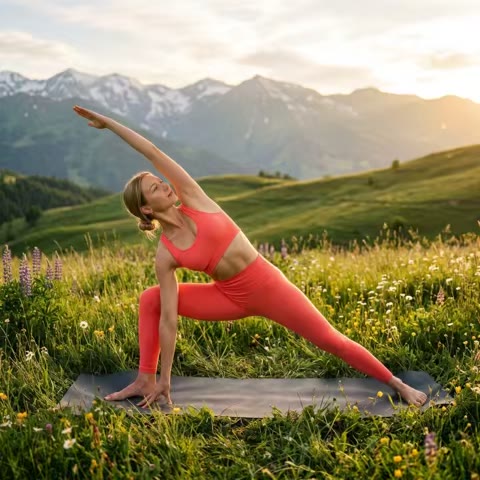
Front forearm on thigh or hand to floor, top arm reaching over the ear in one long diagonal from back heel to fingertips.
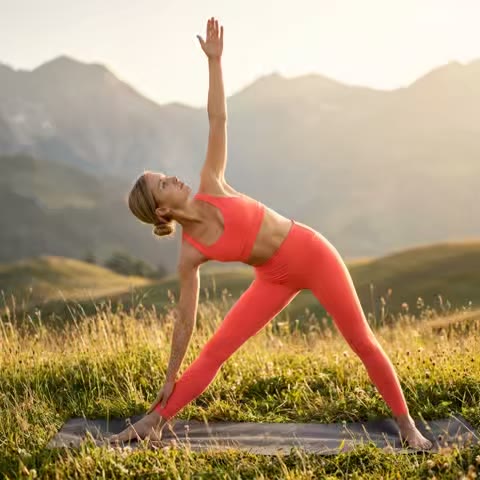
Legs straight and wide, torso hinging sideways over the front leg. Lengthens the side body while the hamstrings work eccentrically.
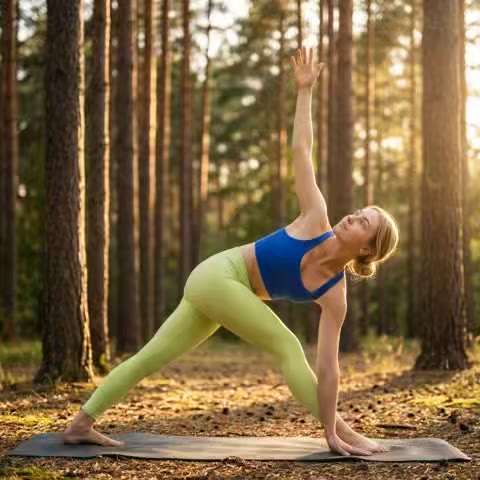
Triangle with the torso rotated so the opposite hand reaches the floor. Balance and hamstring length are both tested at once.
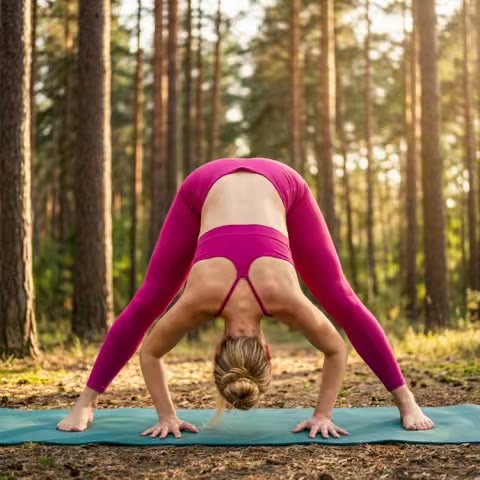
Feet wide and parallel, torso folding between them with the crown descending. A gentle inversion and a strong inner-thigh stretch.
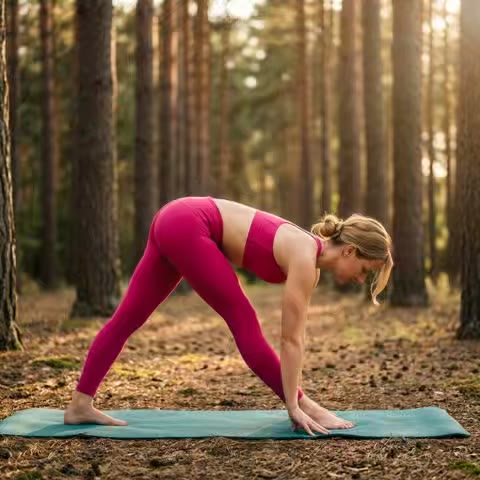
Hips squared over a short stance, torso folding along a straight front leg. More intense on the hamstrings than uttanasana because the pelvis cannot rotate away.
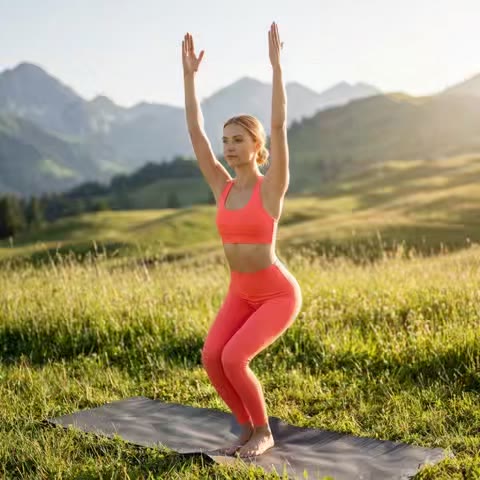
Knees bent deep with weight in the heels and arms lifting overhead. Heats the body quickly and is the classic kapha-reducing standing shape.
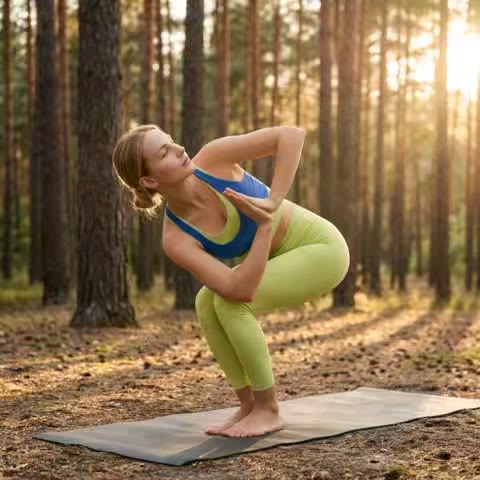
Chair pose with the torso rotated and the opposite elbow outside the knee. Combines leg endurance with a closed twist.
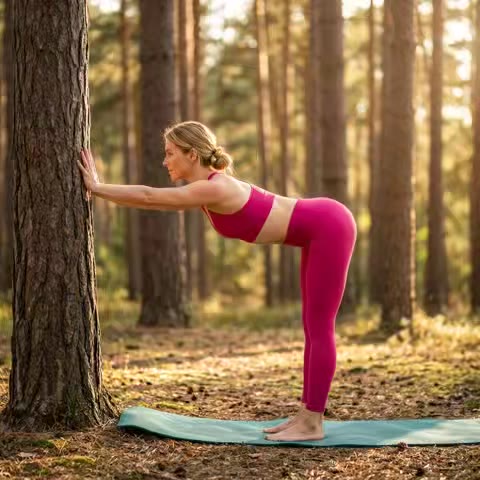
Hands on a wall, torso folding to horizontal with a long spine. The accessible entry to downward dog for stiff shoulders or hamstrings.
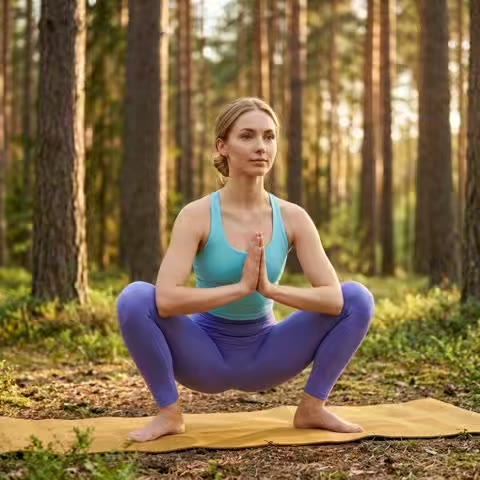
A deep squat with heels down and elbows pressing the knees wide. The everyday resting squat of much of the world, and a strong hip opener for those who have lost it.
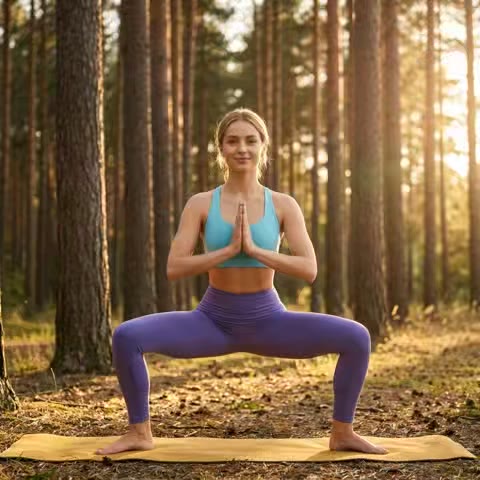
A wide-footed squat with the torso upright, less demanding on ankle range than malasana and better tolerated by stiff hips.
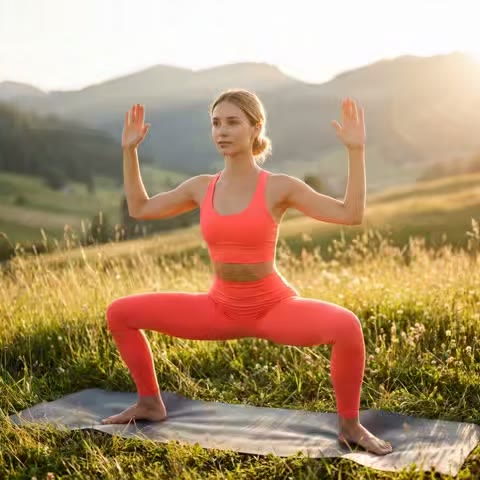
Feet wide and turned out, knees bent to a wide squat, arms in cactus. Builds heat fast and opens the hips at the same time.
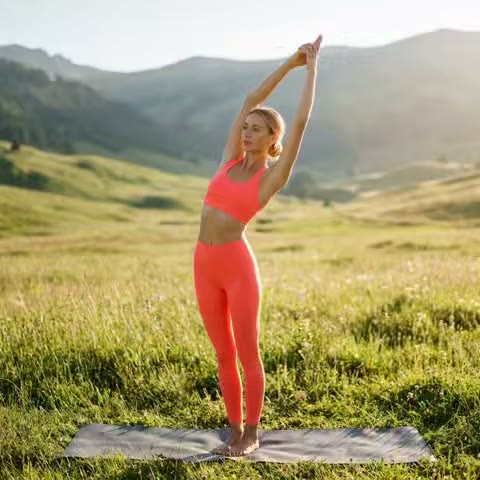
Feet together, arms overhead, torso curving to one side. The simplest way to open the intercostals and lengthen the side waist.
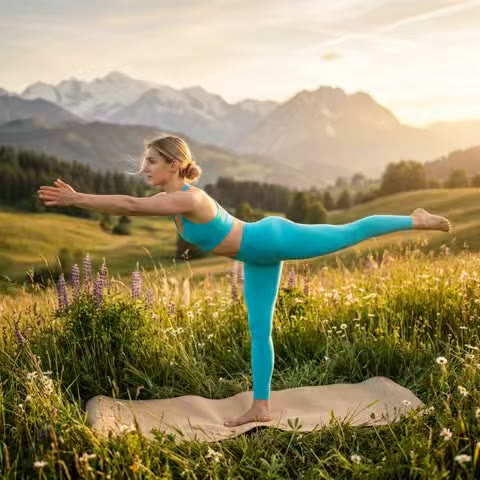
A single-leg balance with torso and lifted leg forming one horizontal line. Demands hamstring strength and proprioception together.
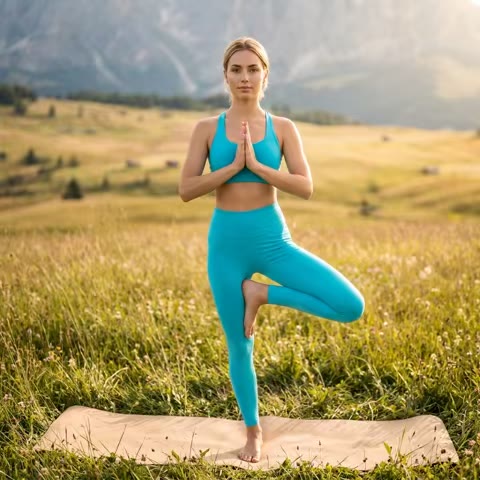
One foot rooted, the other sole pressed to the inner calf or thigh. The first balance most practitioners learn and a lifelong measure of steadiness.
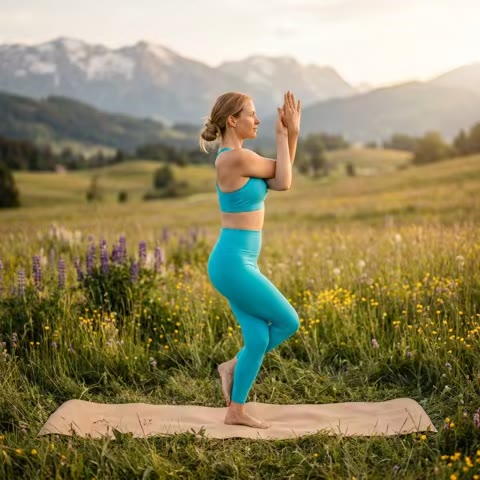
Arms and legs each double-wrapped while the hips sink. Compresses and then floods the joints, and demands focus to hold.
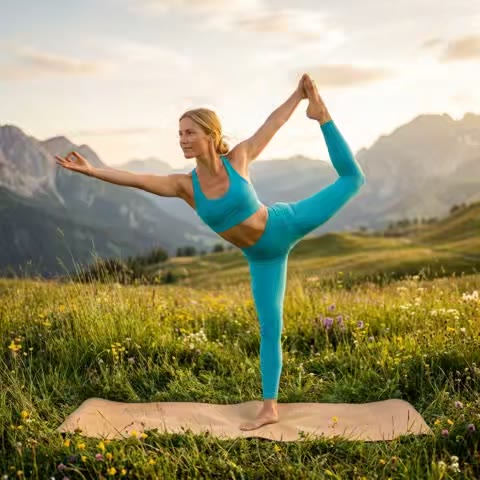
Standing on one leg while the other is caught behind and lifted into a backbend. Balance, backbend and shoulder opening at once.
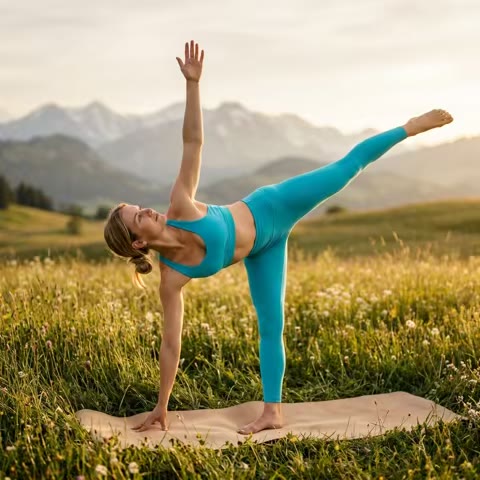
Balanced on one leg and one hand with the top leg and arm reaching apart. Opens the hip while testing lateral stability.
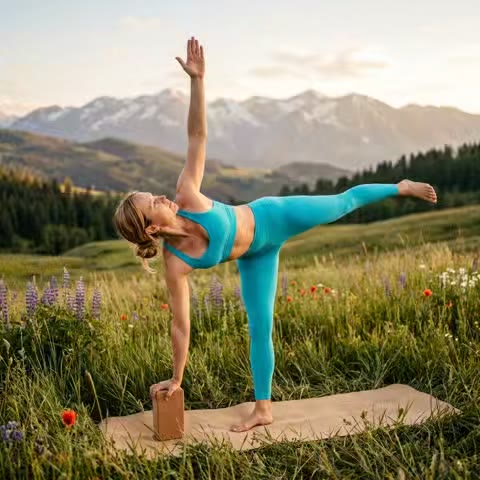
Half moon with the torso rotated toward the standing leg. One of the harder standing balances because the twist removes the visual reference.
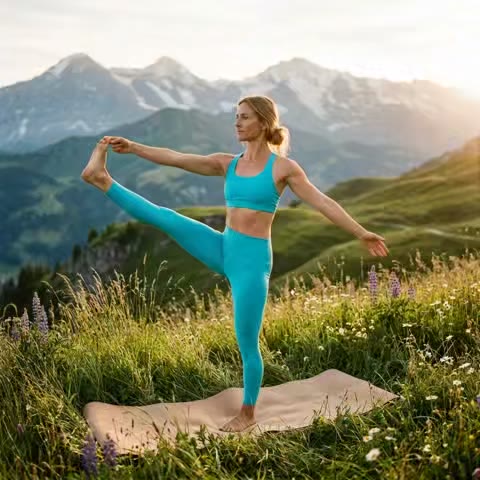
Standing on one leg with the other extended and held at the toe. Exposes any hamstring shortness immediately.
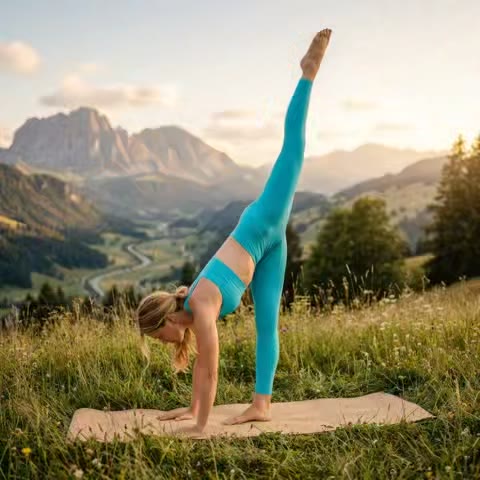
A forward fold on one leg with the other lifting toward vertical. Hamstring length and balance combined, often approached from half moon.