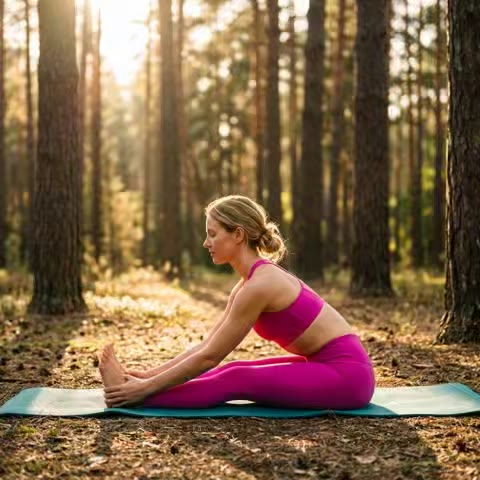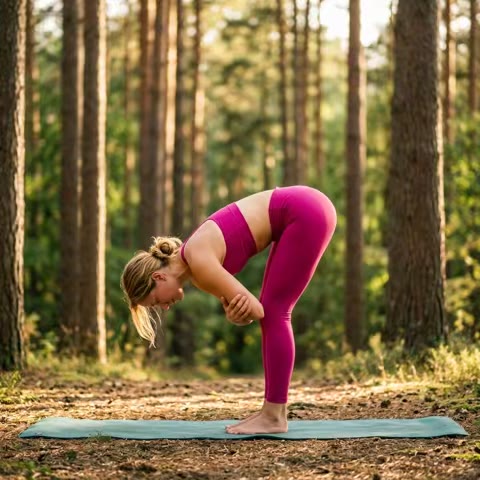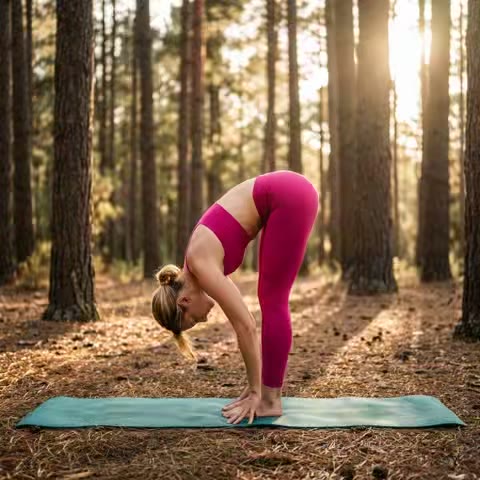
Forward Bend Asana · Elementary (Level 2) · Catalog #800524

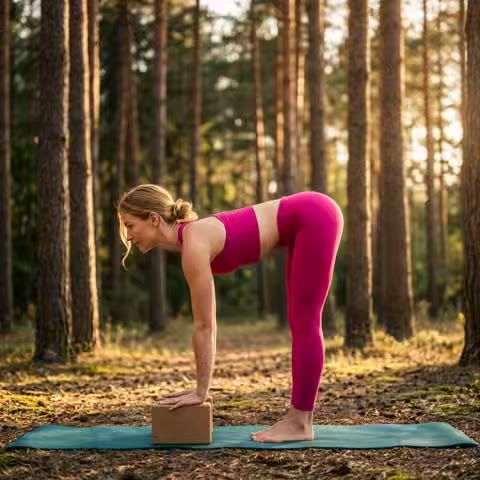
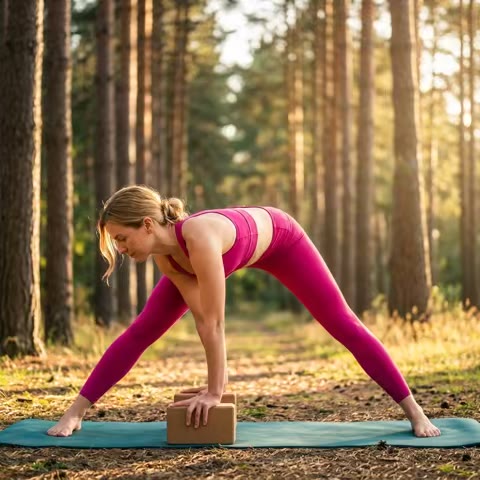
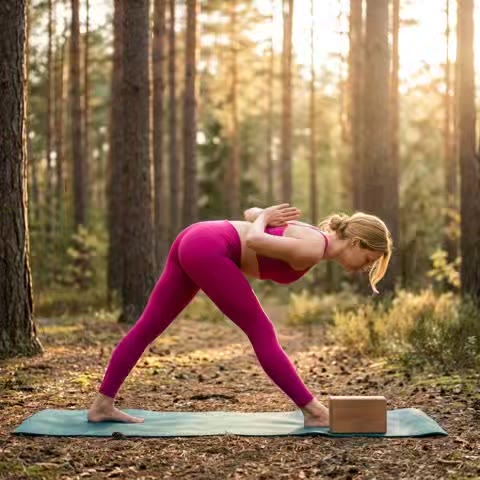
Intense Side Stretch with Reverse Prayer with Block Parsvottanasana (paschim namaskar) (block)

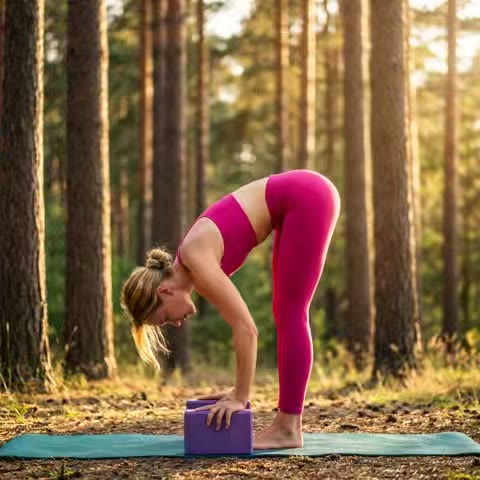
Intense Side Stretch with Reverse Prayer taken with a block under the supporting hand or beneath the seat. The prop shortens the distance to the floor so the spine can stay long instead of rounding to reach it.

Practice Intense Side Stretch with Reverse Prayer with Block (Parsvottanasana (paschim namaskar) (block)) with Illustrated Cues & Breath Timer Open this posture in Ayurveda & Asana Yoga on iPhone & iPad to build custom dosha sequences and track MET energy burn.
Download on the App Store
Intense Side Stretch with Reverse Prayer with Block (Parsvottanasana (paschim namaskar) (block)) — Forward Bend Yoga Posture Illustration

Intense Side Stretch with Reverse Prayer with Block (Parsvottanasana (paschim namaskar) (block)) — Forward Bend posture targeting Hamstrings, Shoulders, Forearms · Exhale to fold breath · Toes drishti.

Vāta: Neutral (0) Pitta: Pacifies (-1) Kapha: Pacifies (-1)
Sanskrit Name
Parsvottanasana (paschim namaskar) (block)
Posture Family
Forward Bend
Difficulty
Elementary (Level 2)
Recommended Hold
40 seconds
Breath Pattern
Exhale to fold
Drishti (Gaze)
Toes
Target Muscles
Hamstrings, Shoulders, Forearms
Energy Expenditure
3.0 METs

Alignment, Breath & Drishti Cues for Intense Side Stretch with Reverse Prayer with Block

Intense Side Stretch with Reverse Prayer with Block (Parsvottanasana (paschim namaskar) (block)) belongs to the Forward Bend posture family and engages the Hamstrings, Shoulders, Forearms at an intensity of approximately 3.0 METs. Intense Side Stretch with Reverse Prayer taken with a block under the supporting hand or beneath the seat. The prop shortens the distance to the floor so the spine can stay long instead of rounding to reach it.

  • Breath Rhythm: Maintain Exhale to fold throughout the 40-second hold so nervous system tone remains steady.
  • Visual Focal Point (Drishti): Direct the gaze toward Toes to quiet peripheral distraction and stabilize balance.
  • Primary Anatomical Focus: Concentrates mechanical load and mobility across Hamstrings, Shoulders, Forearms.
  • Minimum Recommended Age: 10 years (120 months).

Ayurvedic Dosha Profile (Vāta, Pitta & Kapha)

In Ayurvedic asana sequencing (Dosha Provenance: modern-synthesis), every posture shifts Vata, Pitta, and Kapha according to its mechanical compression, heat generation, and grounding stability:

  • Vāta Effect: Neutral (0) — pair with slow nasal breathing and unhurried transitions to prevent excess mobility or dryness.
  • Pitta Effect: Pacifies (-1) — keep the jaw, temples, and abdomen soft when holding for 40 seconds.
  • Kapha Effect: Pacifies (-1) — link into dynamic flows or longer holds when seeking metabolic stimulation.

Contraindications & Safety Precautions

  • Wrist injury
  • Shoulder injury

iOS App for iPhone & iPad

Practice with 908 illustrated postures, custom prāṇāyāma timers & dosha meal plans

Combine classical Vata, Pitta, and Kapha balance, Six Tastes (Shad Rasa), and seasonal Ritucharya routines with verified USDA calorie, macronutrient, vitamin, and mineral tracking.

Related Forward Bend Yoga Poses

Standing Forward Fold with Block (Uttanasana (block))Forward Bend · Level 1

Standing Forward Fold with Block (Uttanasana (block))

Standing Forward Fold taken with a block under the supporting hand or beneath the seat. The prop shortens the distance to the floor so the spine can stay long instead of rounding to reach it.