
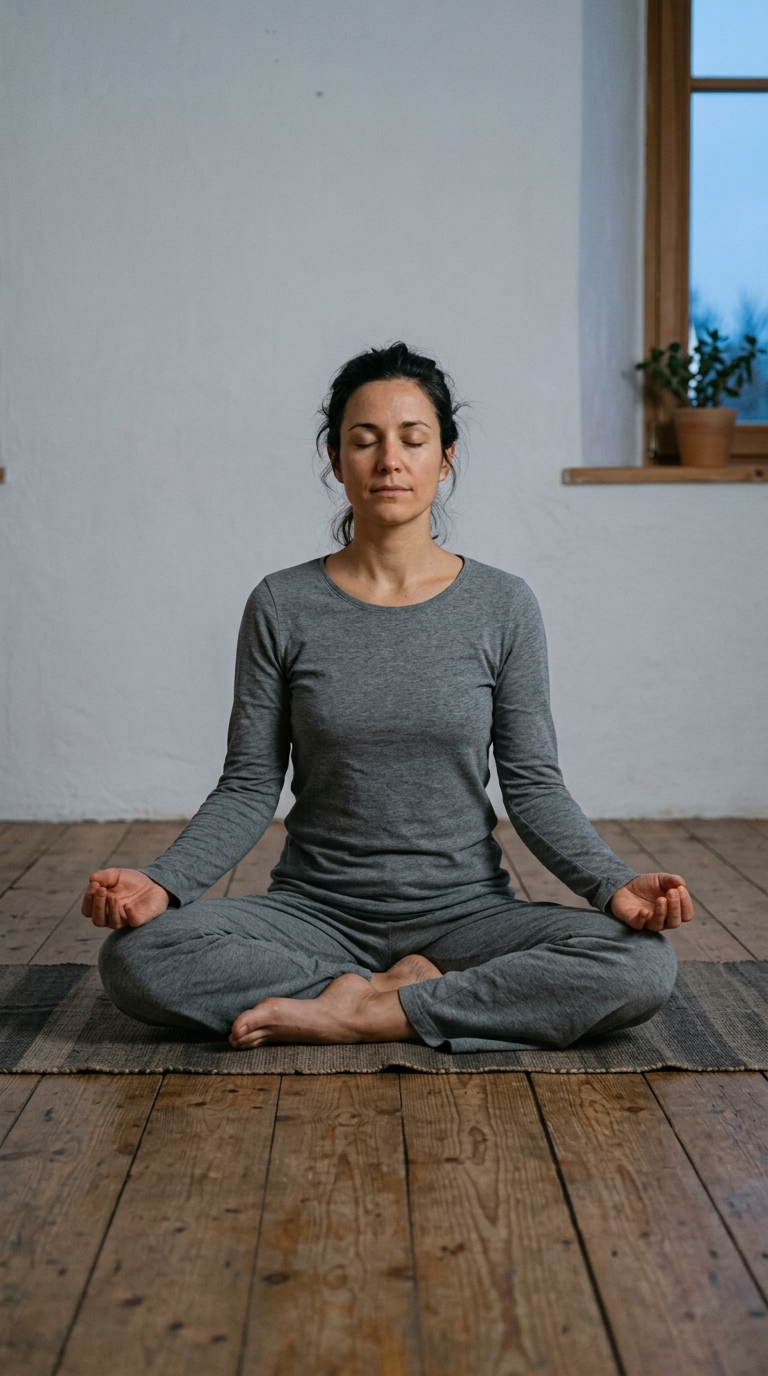
So Hum (So'ham)
The oldest mantra in the tradition is the sound the breath already makes. Nothing is added — you listen for what is there and let it hold your attention.
Breathwork, Mudrā & Meditation
Full cue timelines, breath ratios, and Ayurvedic dosha profiles for 60 classical practices.
The oldest mantra in the tradition is the sound the breath already makes. Nothing is added — you listen for what is there and let it hold your attention.
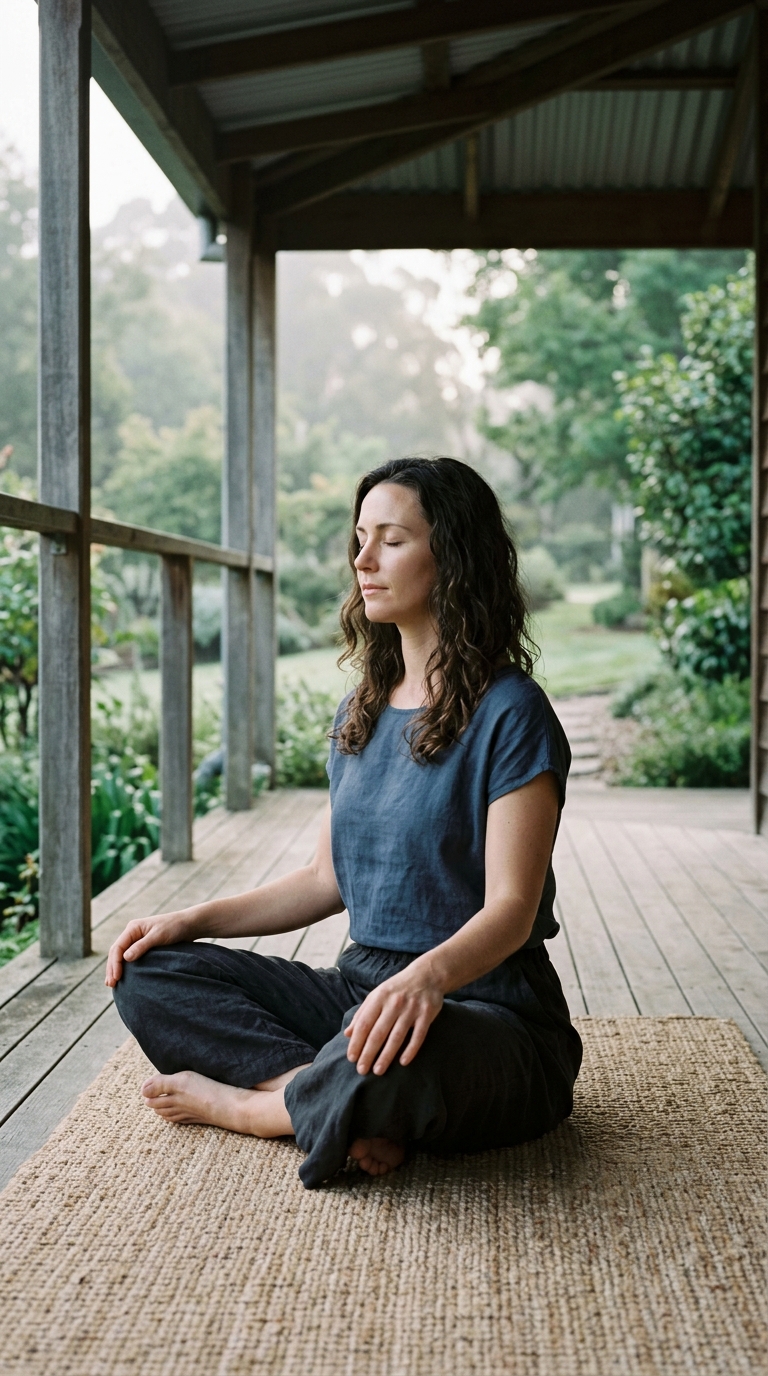
Counting only the out-breath, ten at a time. The narrowest possible task, which is why it works on a mind too busy for anything wider.
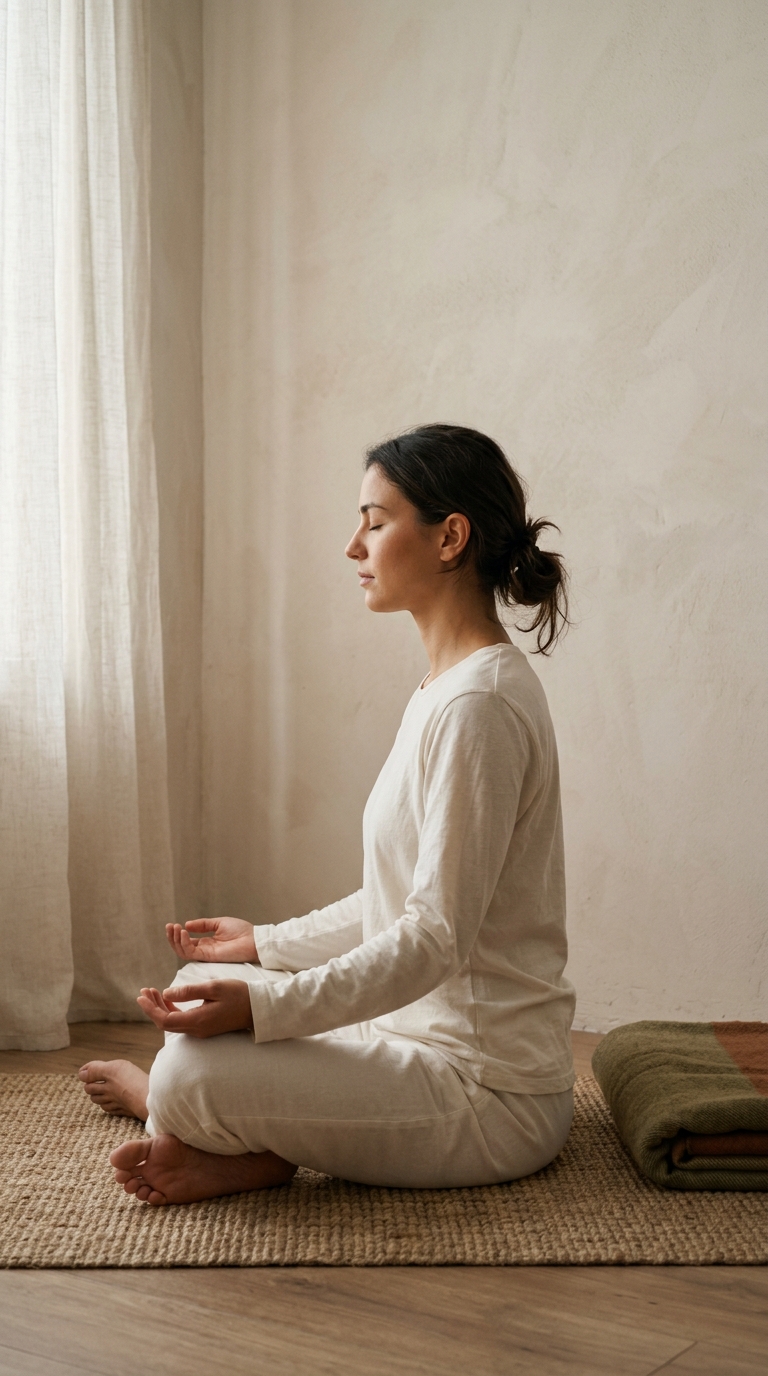
Between the breath going out and the breath coming in there is a gap. The instruction is simply to be awake inside it. Nothing is held or forced.
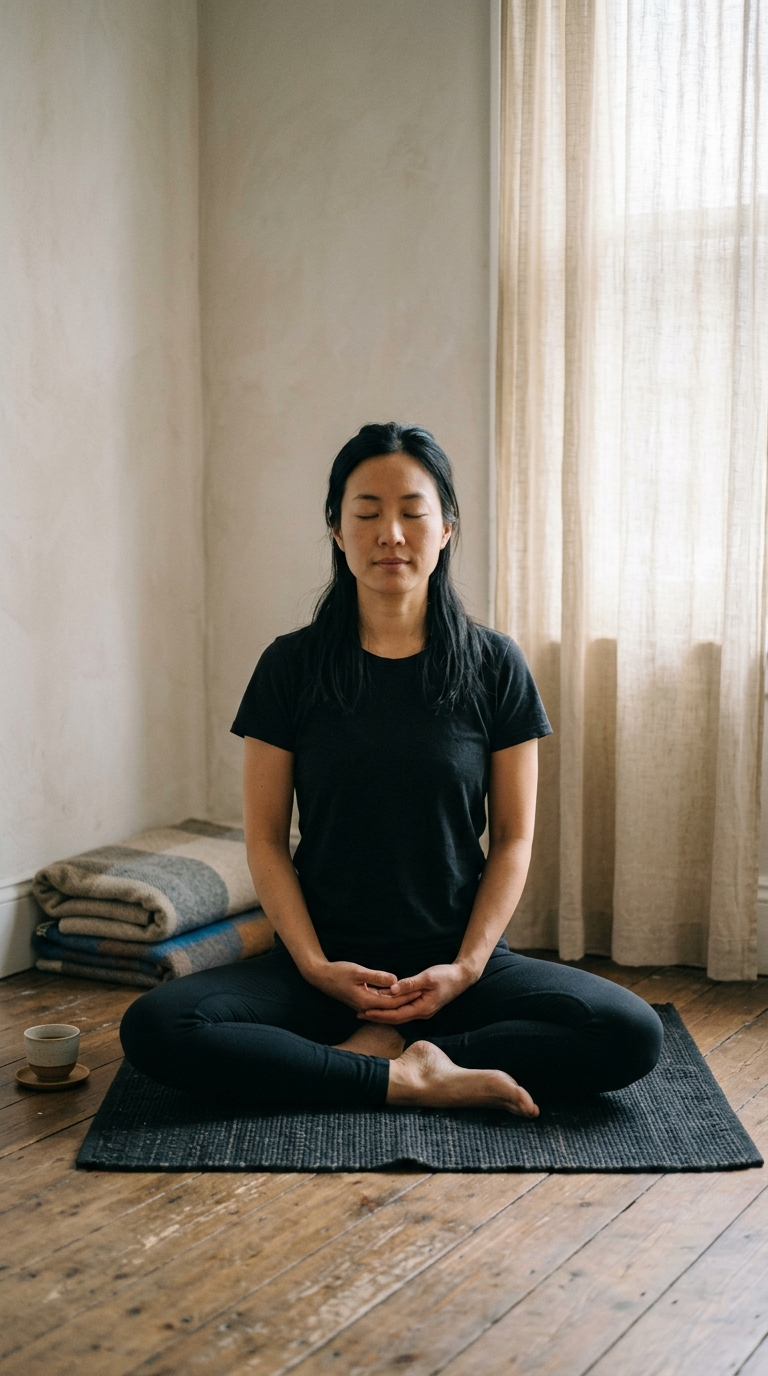
For heat — in the body, in the temper, in the hour after an argument. Attention rests on the coolest sensations available and lets the rest follow.
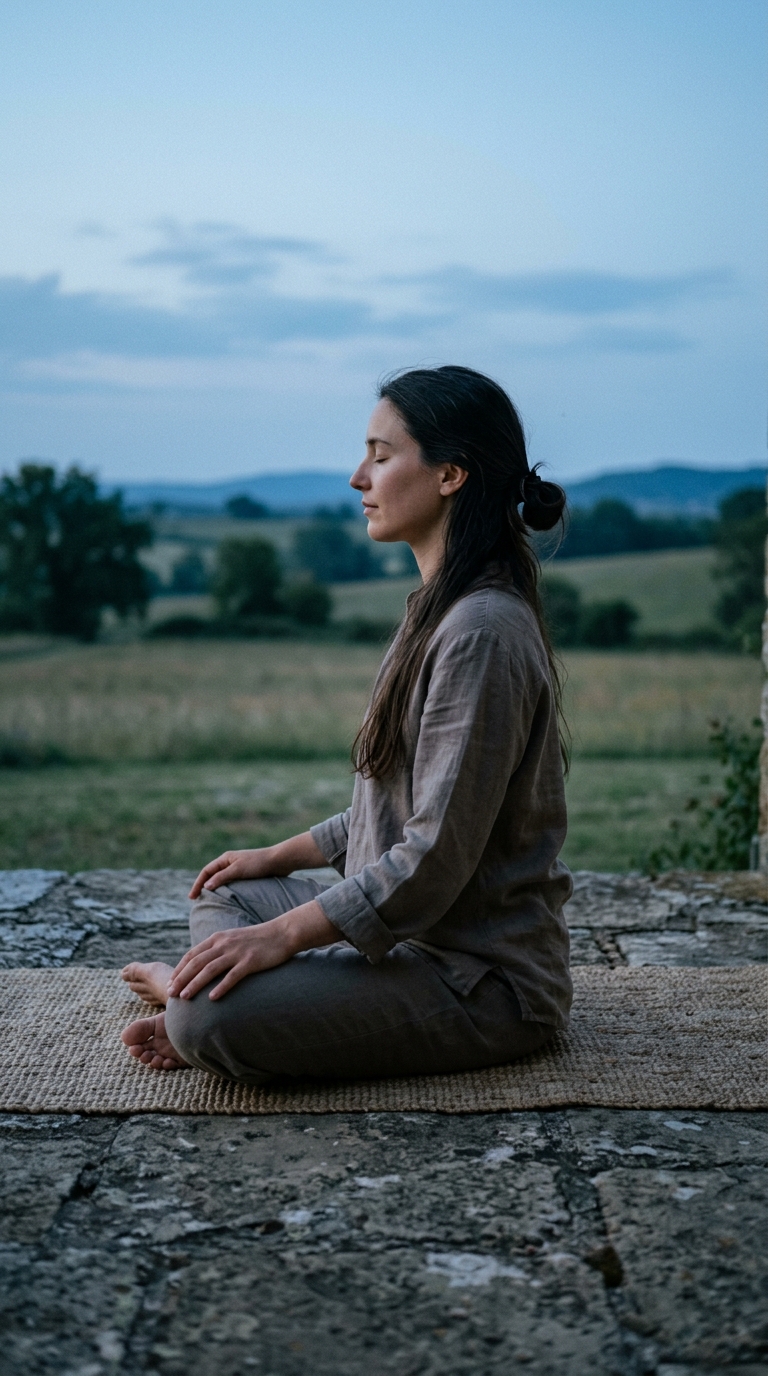
Attention on the places where the body meets the floor. The most reliable practice for a mind that will not settle, because weight cannot be argued with.
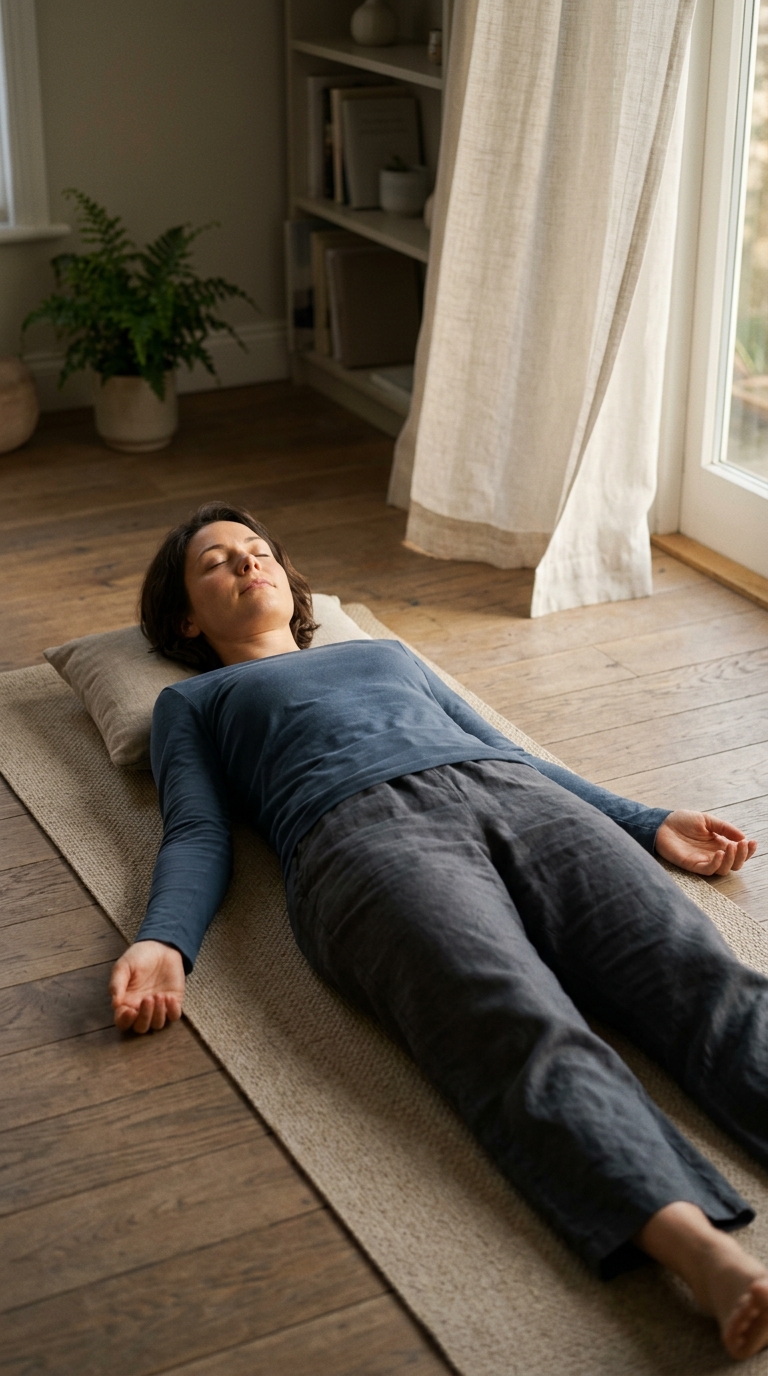
Attention moves through the body in a fixed order, resting a moment in each place. The order never changes, which is what makes it restful — there is nothing to decide.
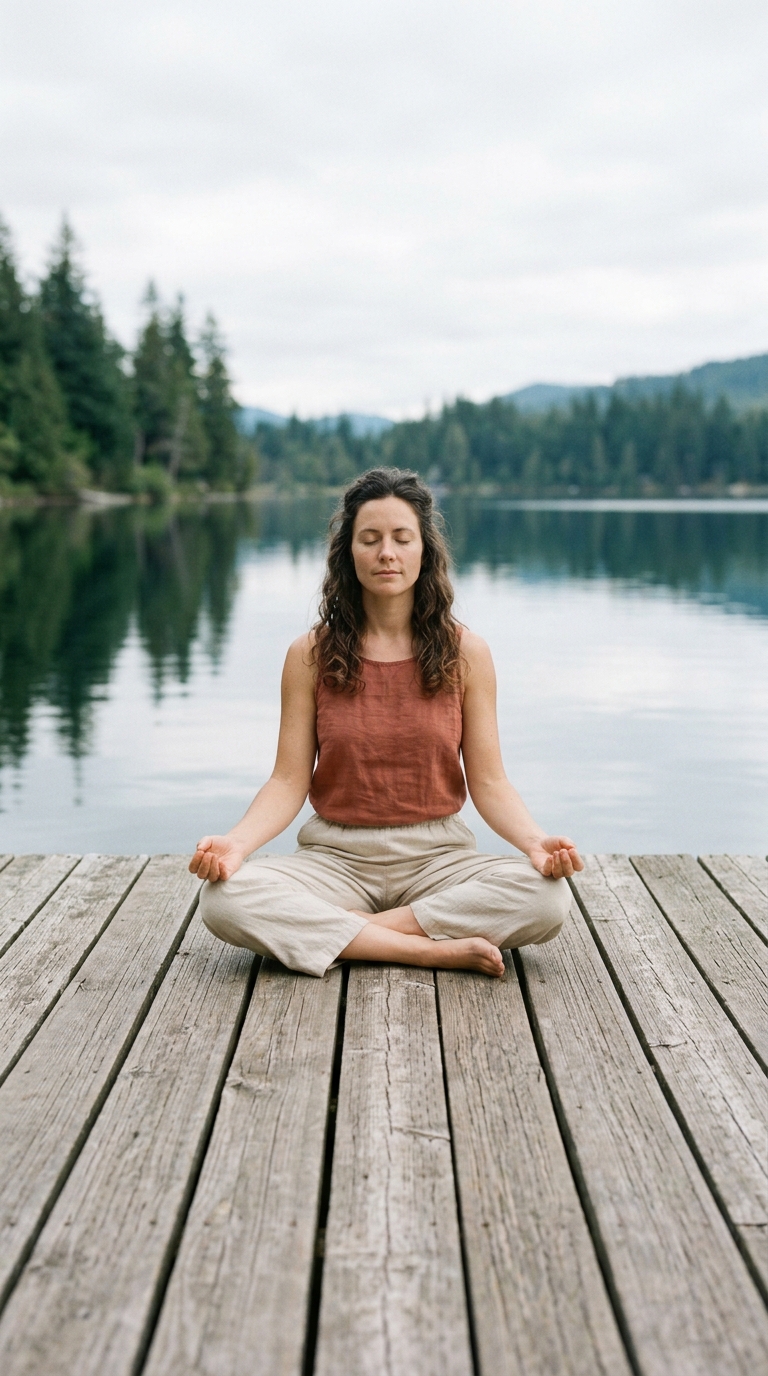
A single word or syllable, repeated inwardly at the pace of the breath. The word matters less than the repetition, which is the whole method.
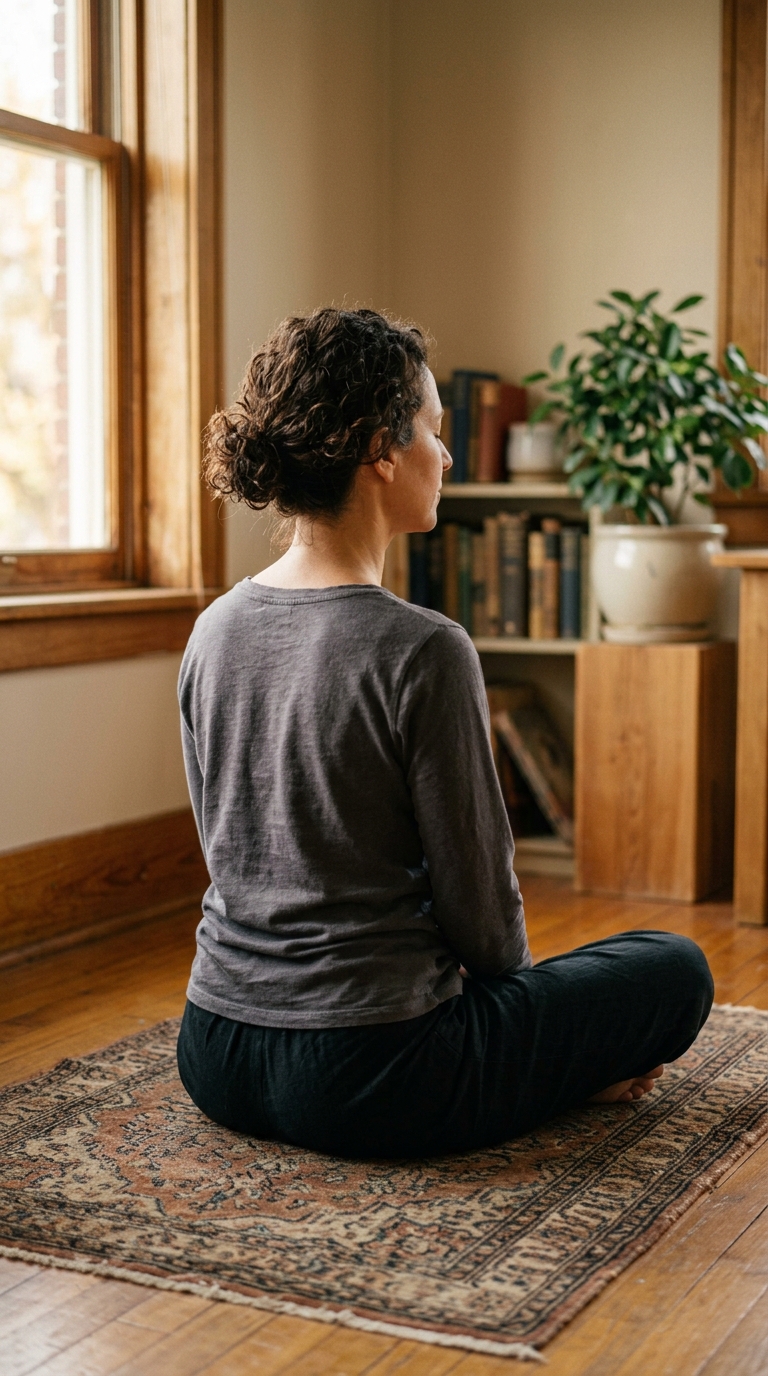
Chanting Om aloud and then attending to the silence it leaves behind. Rousing rather than sedating, which makes it a morning practice.
Follow one sound all the way down until you cannot say whether it is still there. The mind that follows a decay cannot also be arguing with anyone.
Not stopping thoughts, which cannot be done. Noticing that there is something present that is not the thought, and staying with that instead.
Four wishes, offered in a fixed order that always begins with yourself. The order is not sentimental — starting anywhere else tends not to work.
Attention on the warmth below the navel — the classical seat of digestion. Warming and mildly rousing, so it belongs in the morning and not before sleep.
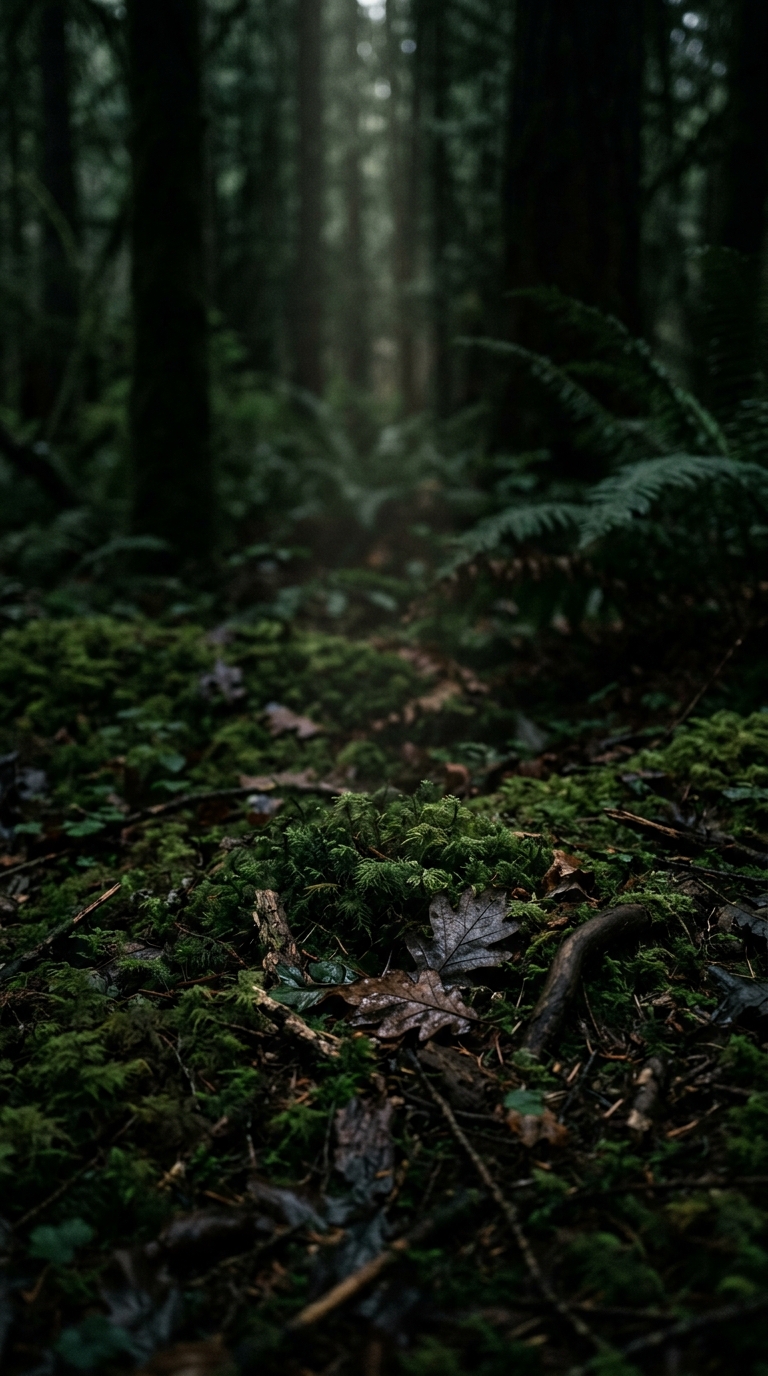
Deep woodland, old ground, roots under everything. The heaviest of the five scenes, and the one to reach for when nothing will stay still.
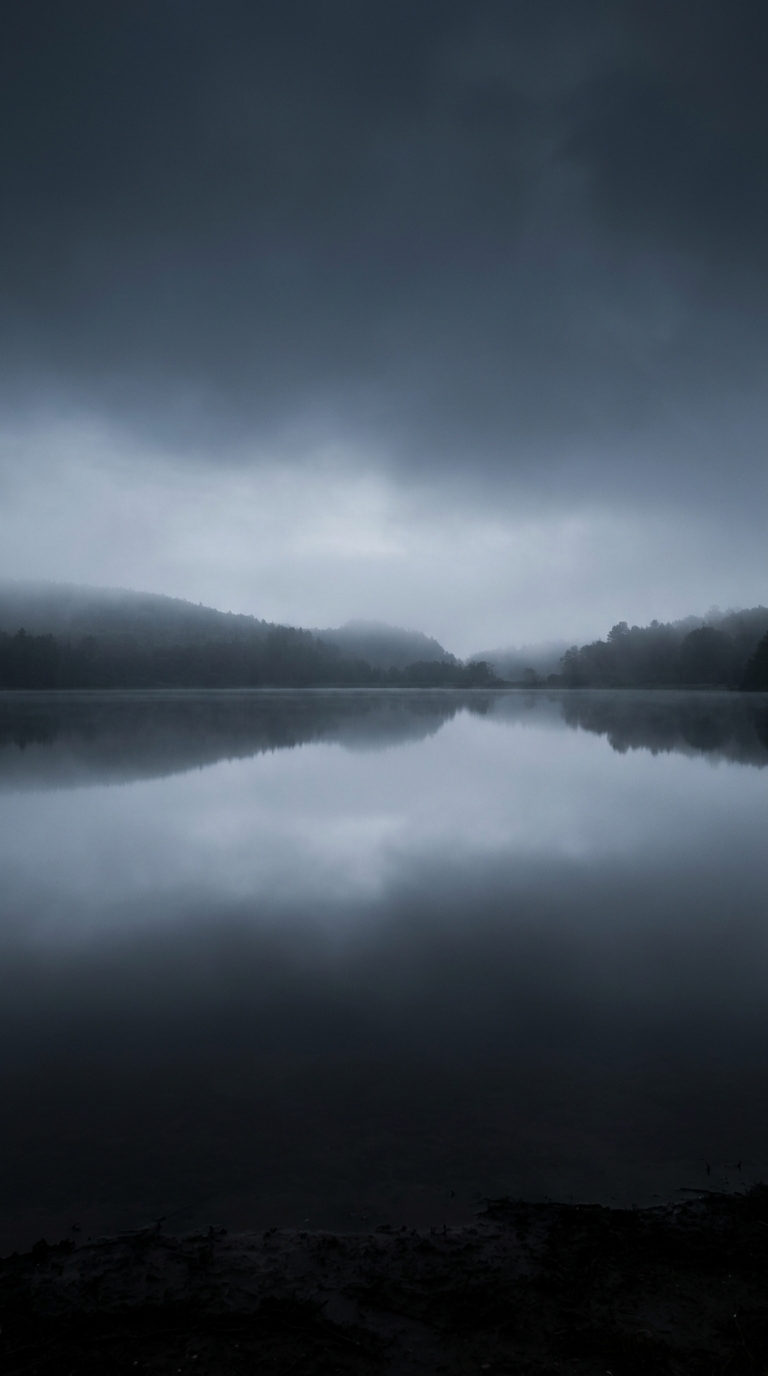
A lake at dusk, no wind. The classical image for a mind that has stopped being disturbed, and the coolest of the five scenes.
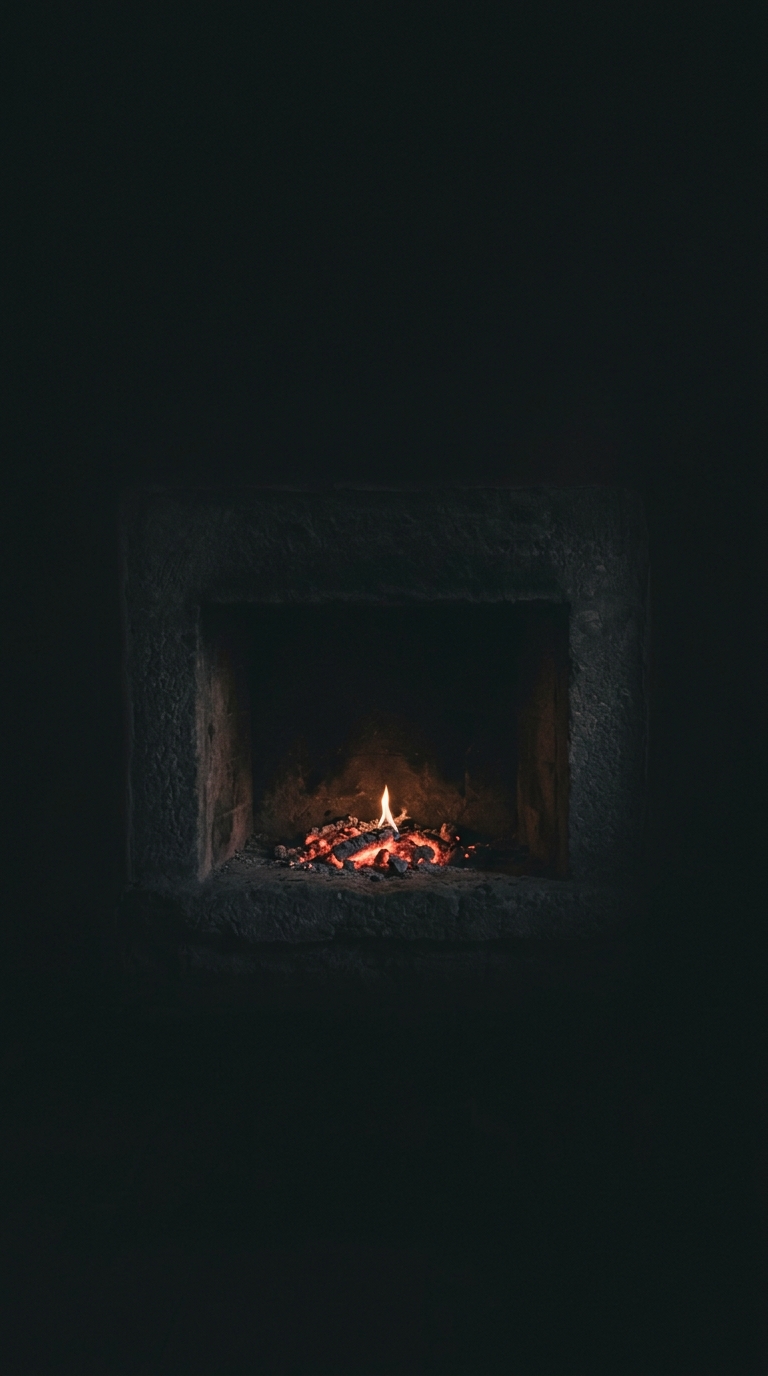
A fire in a grate on a cold evening. Warming and gently rousing, which makes it the scene for heaviness and cold rather than for agitation.
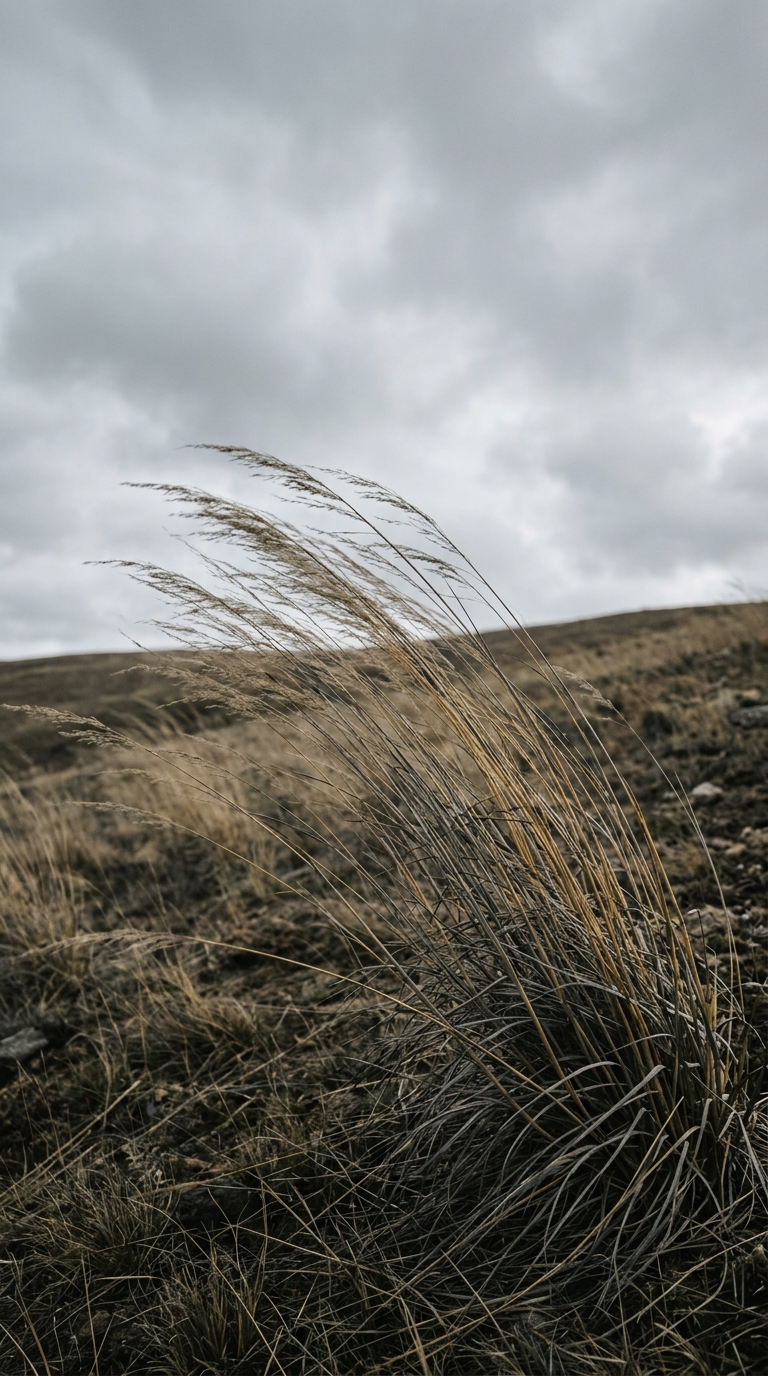
An open hillside with wind moving across it. Light and clearing, for the days when everything feels thick and slow.

Lying under an unlit sky. The most spacious of the five and the one that most reliably puts a problem back in proportion.
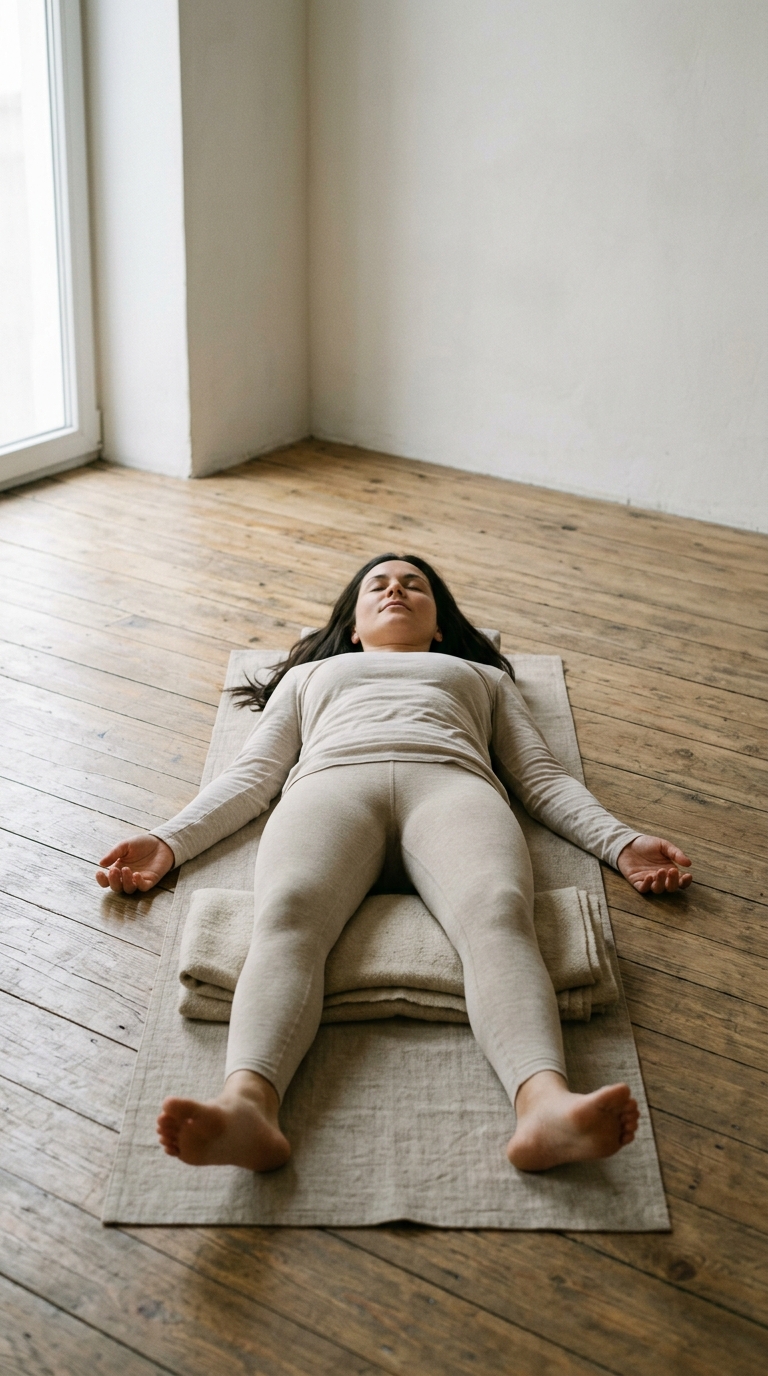
Doing nothing, structured so the mind has something to follow. The practice most people skip and most people need.
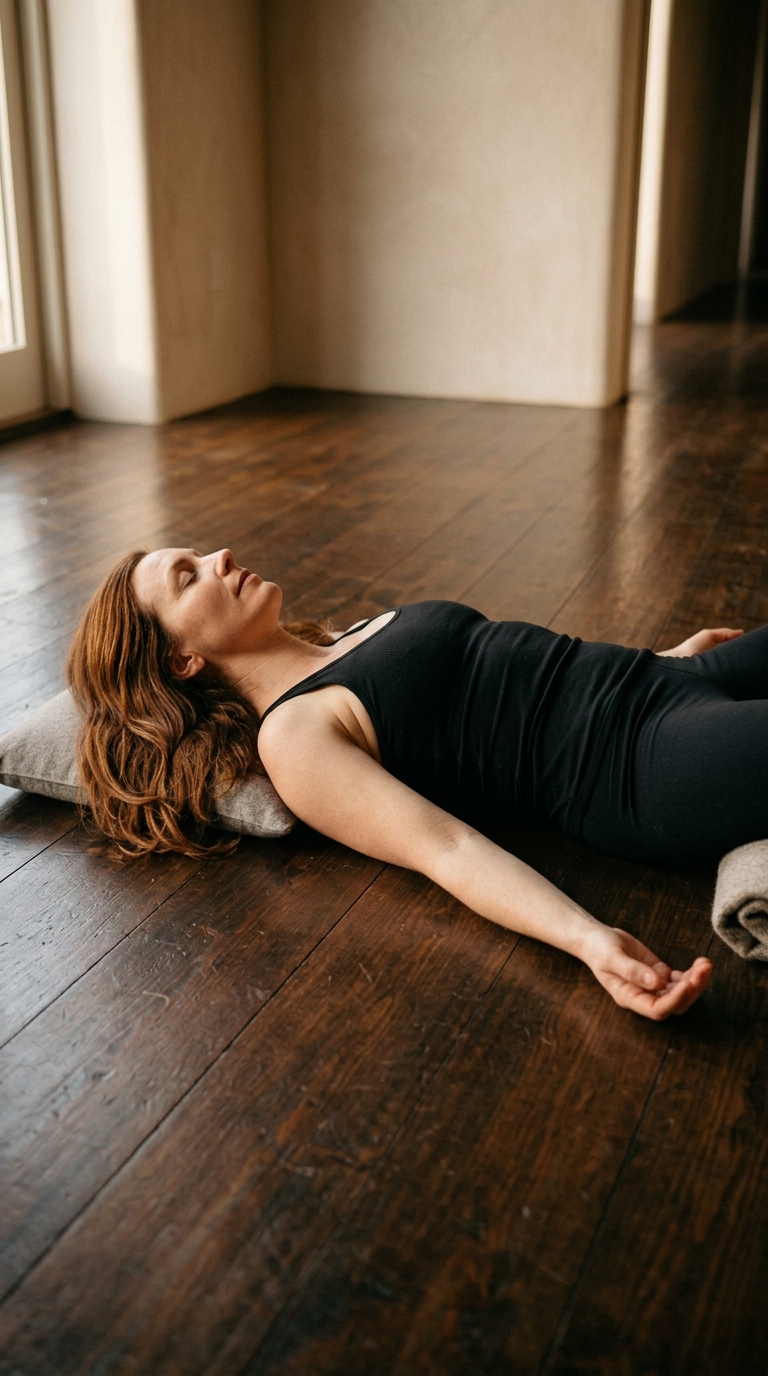
The classical four-stage form — intention, rotation, breath count, return. Done lying down, at the edge of sleep without crossing into it.
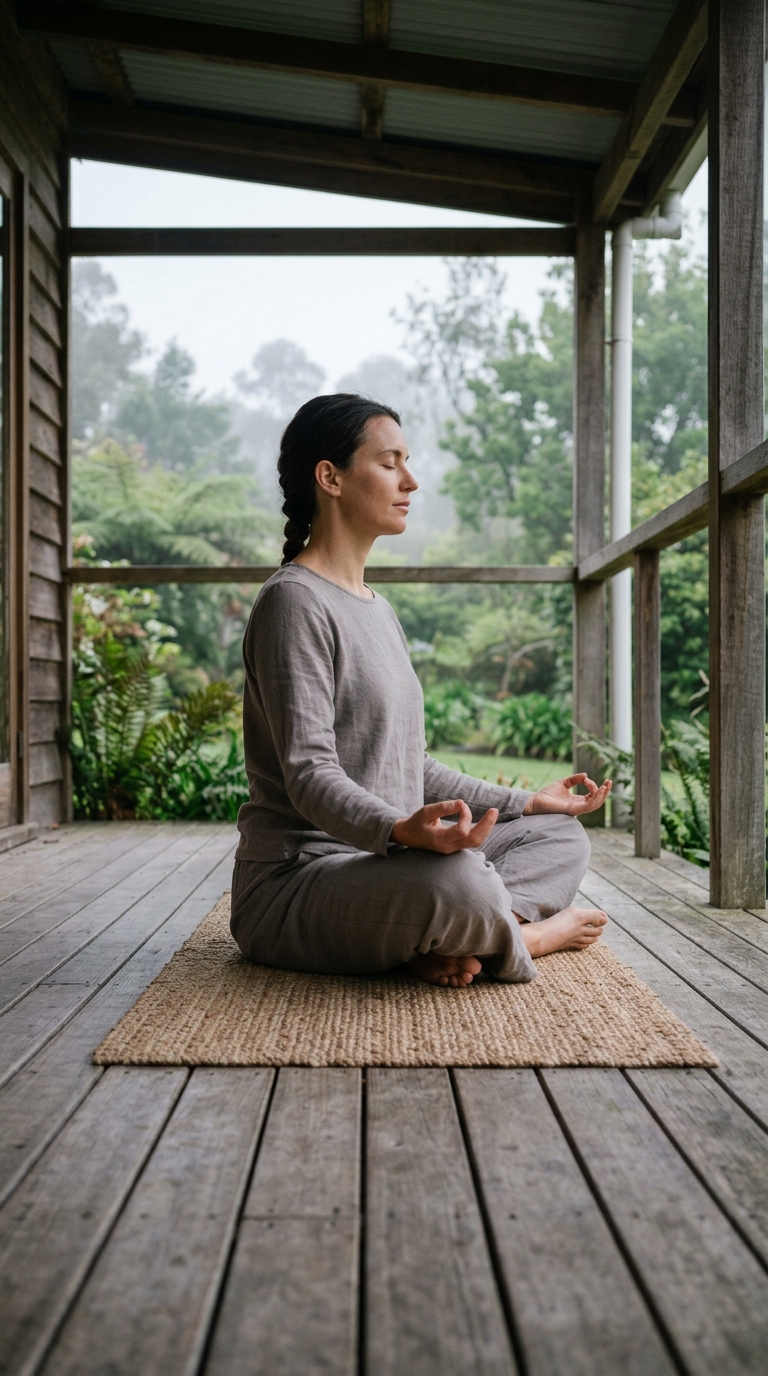
Filling the belly, then the ribs, then the upper chest, in that order. The foundation every other breath practice is built on.
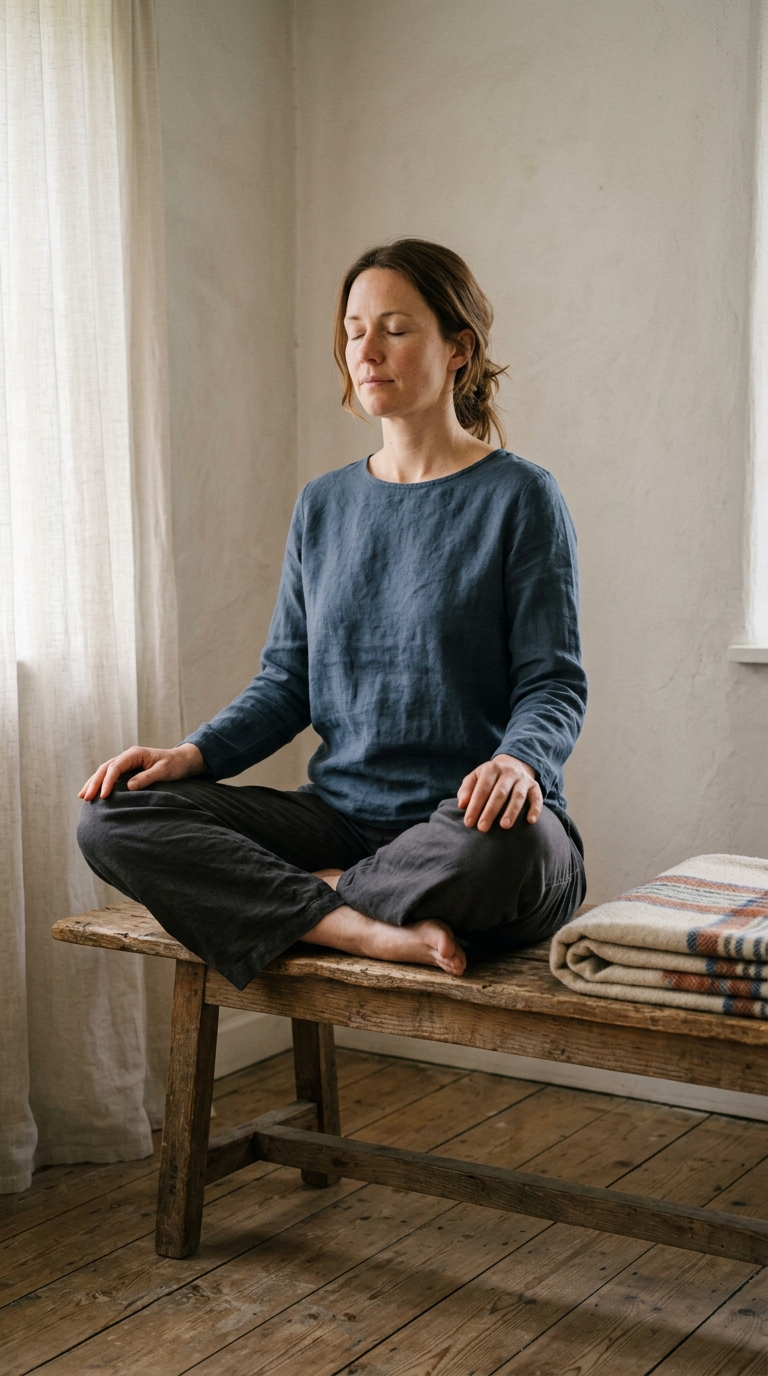
A soft narrowing at the throat that gives the breath an audible, oceanic sound. The sound is the point: it gives attention something to hold.
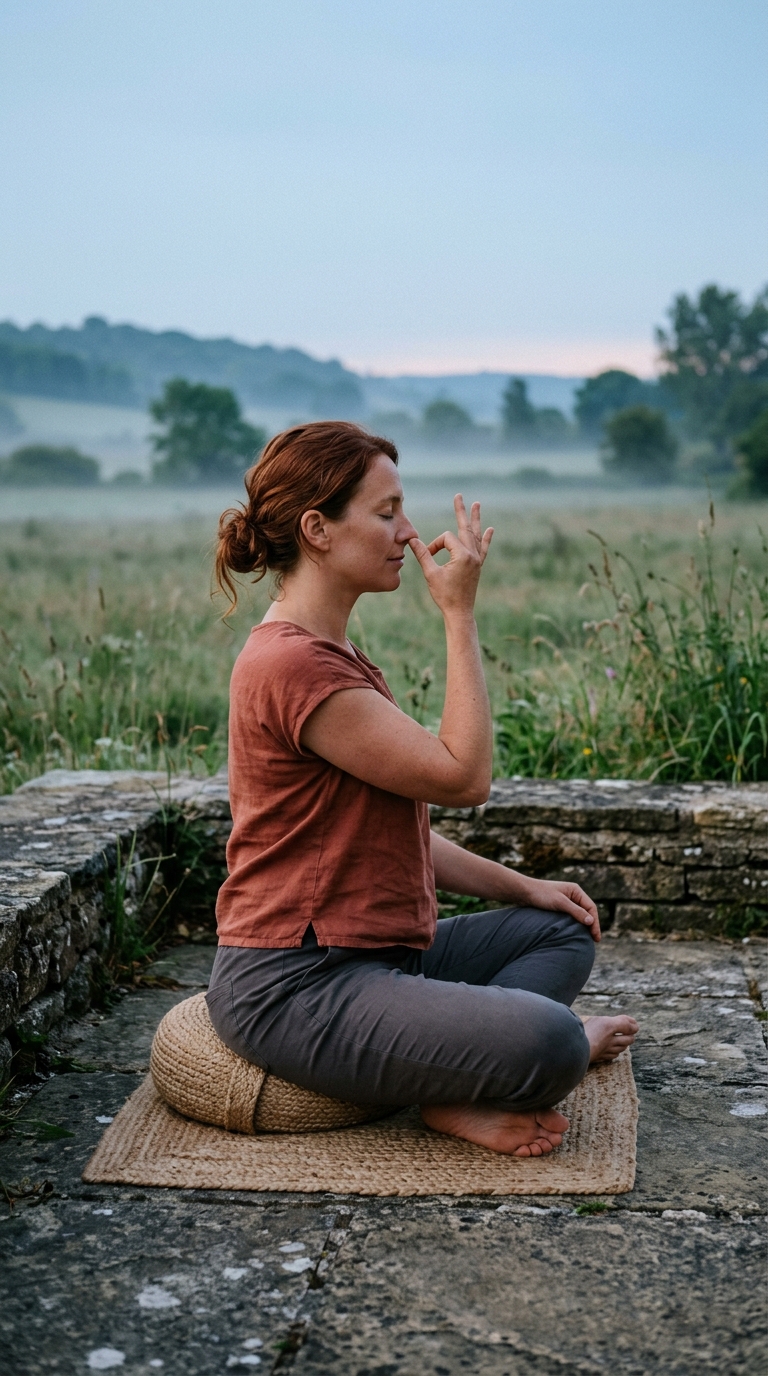
Breathing through one nostril at a time in a fixed cycle. The most balancing of the breath practices and the safest place to start with retention.
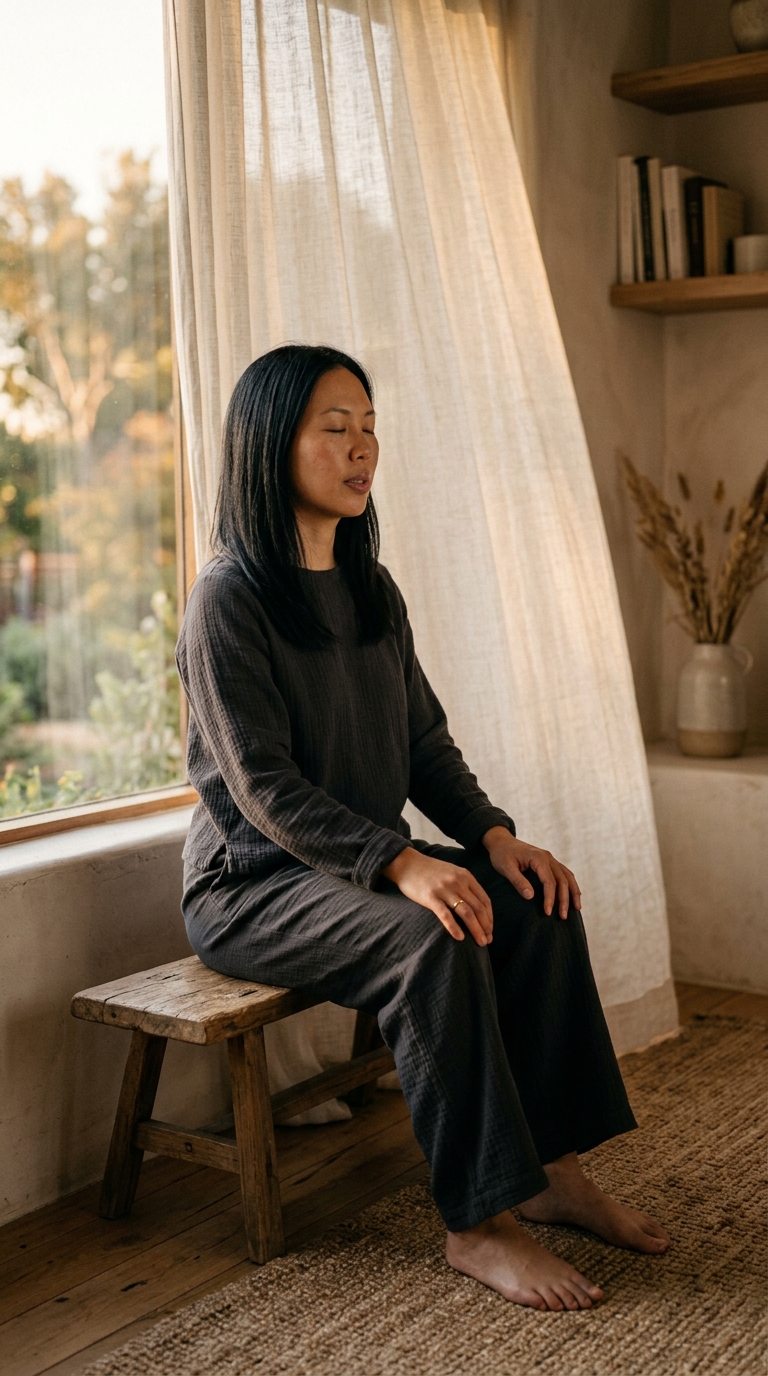
Breathing in over a curled tongue, which cools the air on the way past. The classical answer to heat, in the body and in the temper.
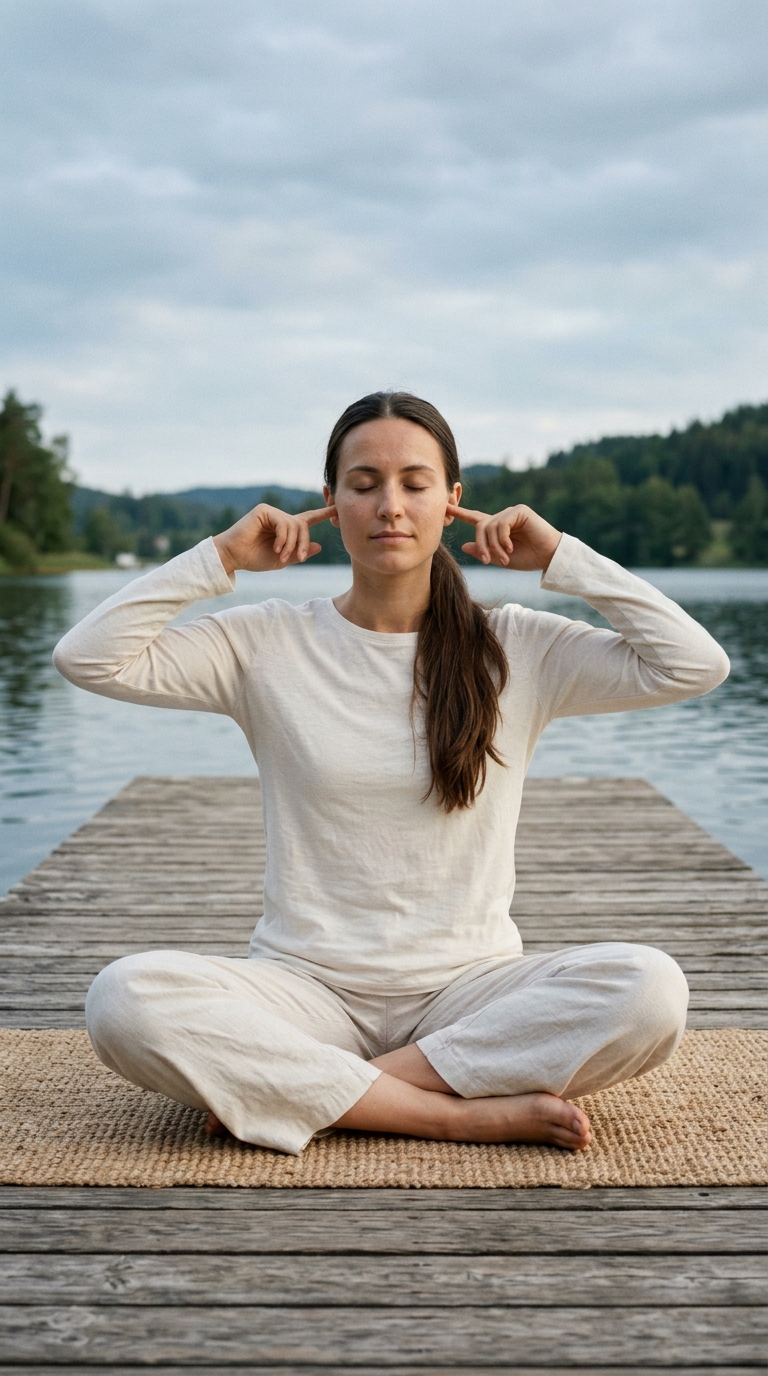
A long hum on every out-breath with the ears closed. The vibration fills the skull and leaves very little room for anything else.
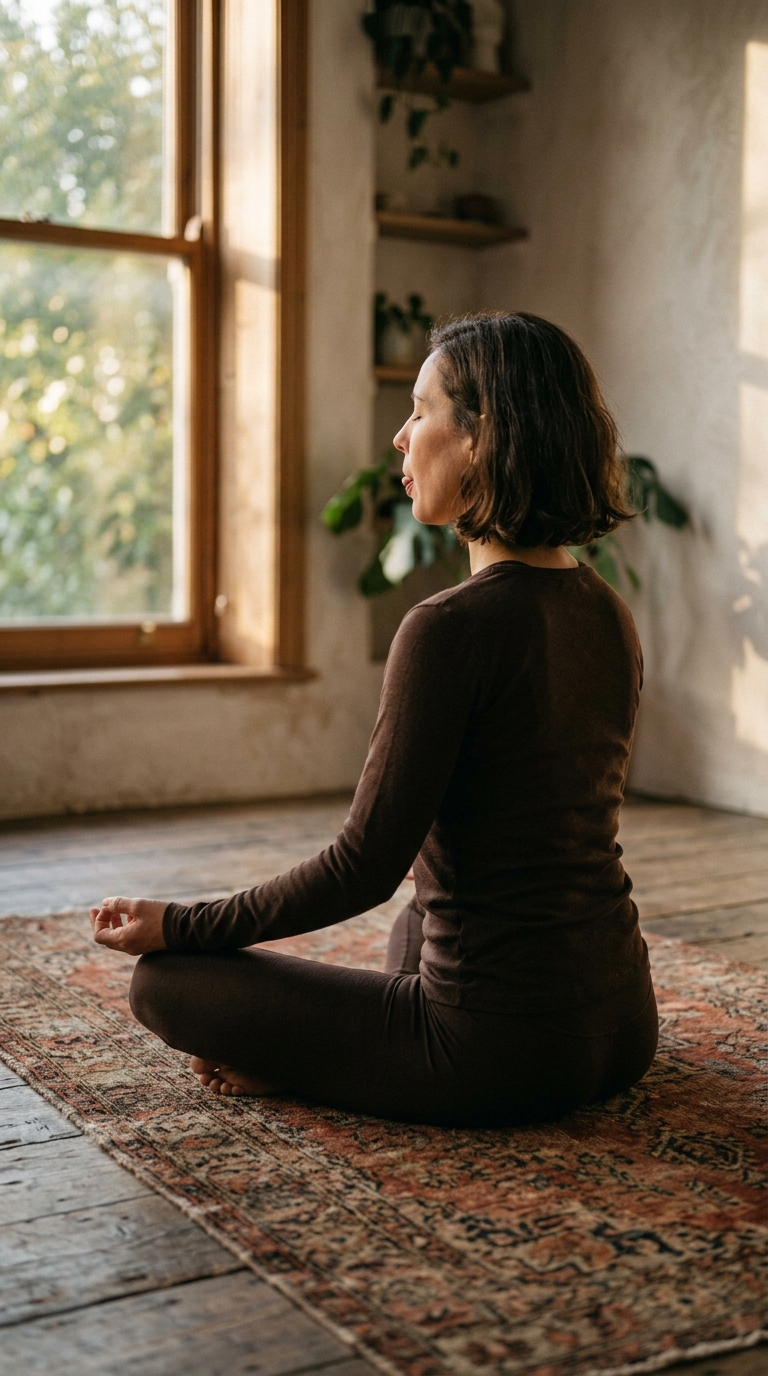
The cooling breath for people who cannot curl the tongue. Air drawn in through the teeth, which cools it the same way.
In for four, out for four. The simplest ratio and the one to use when the breath is ragged and nothing else will settle it.
Out for twice as long as in. The one breath practice with a direct, measurable calming effect, and the best thing to do at two in the morning.
Forceful breathing in and out through the nose at speed. Strongly heating and strongly rousing. The most contraindicated practice in the library.
Sharp exhalations from the belly with passive inhalations between. A cleansing practice rather than a breath practice, and classified that way in the texts.
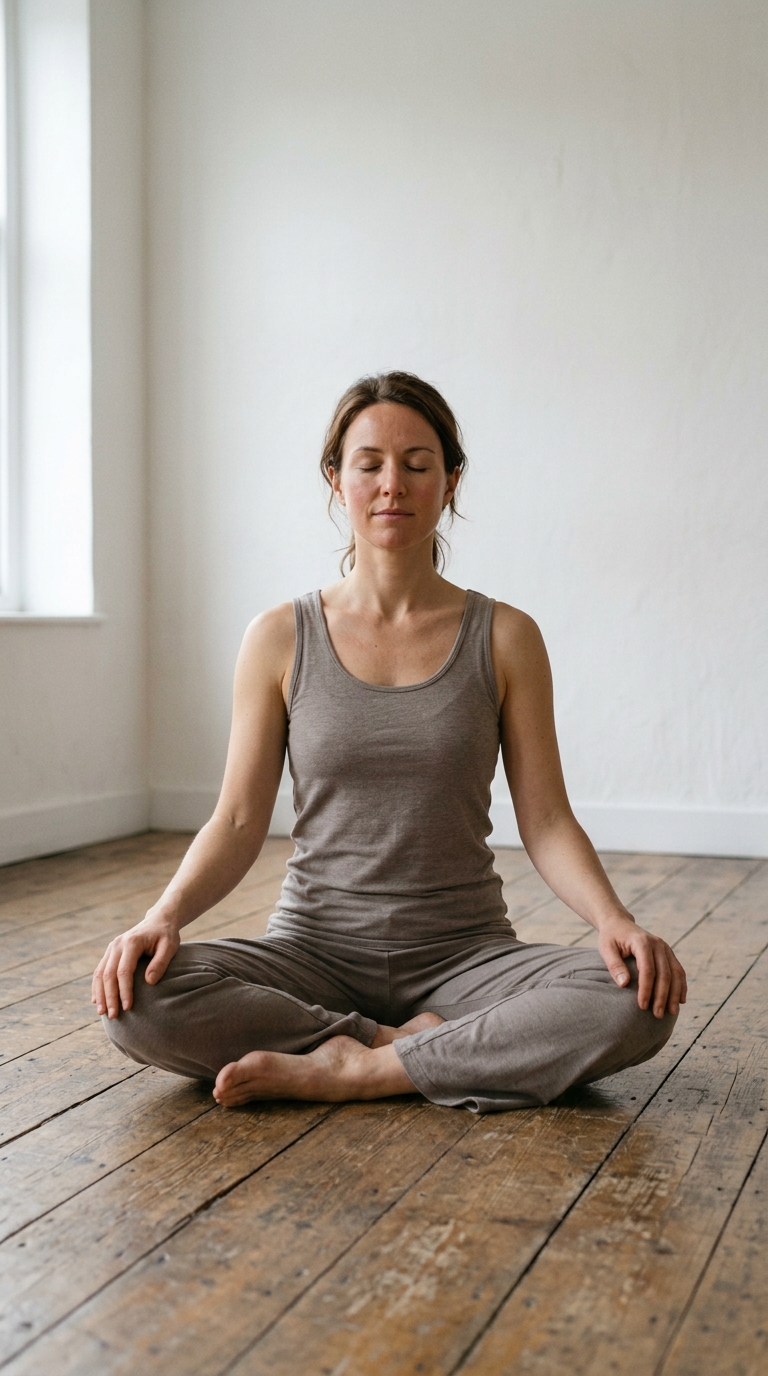
Rapid even breathing through the nose, in and out at the same strength. Warming, and gentler than bhastrika, but still not a beginner's practice.
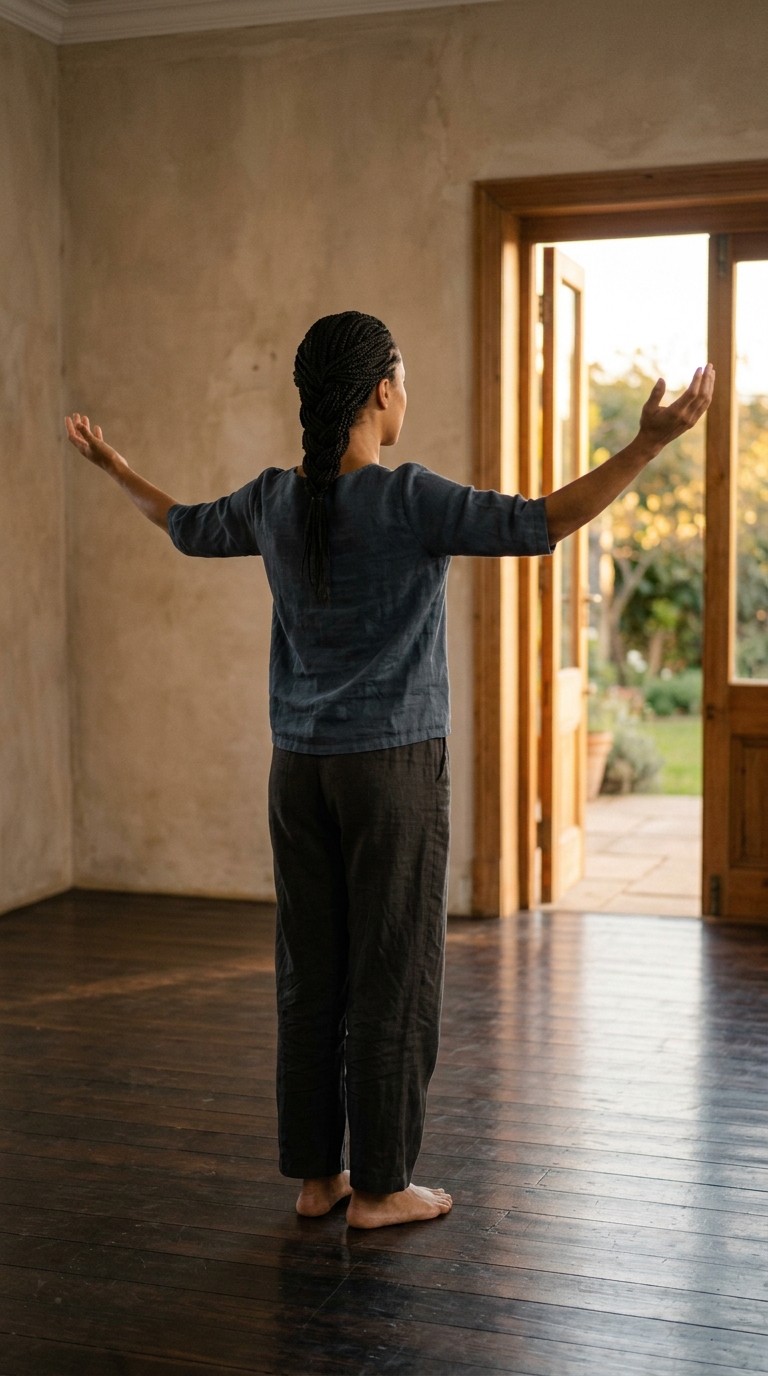
Full breaths taken standing, with the arms. The practice to use when sitting still is not going to happen — first thing, or at a desk after too long.
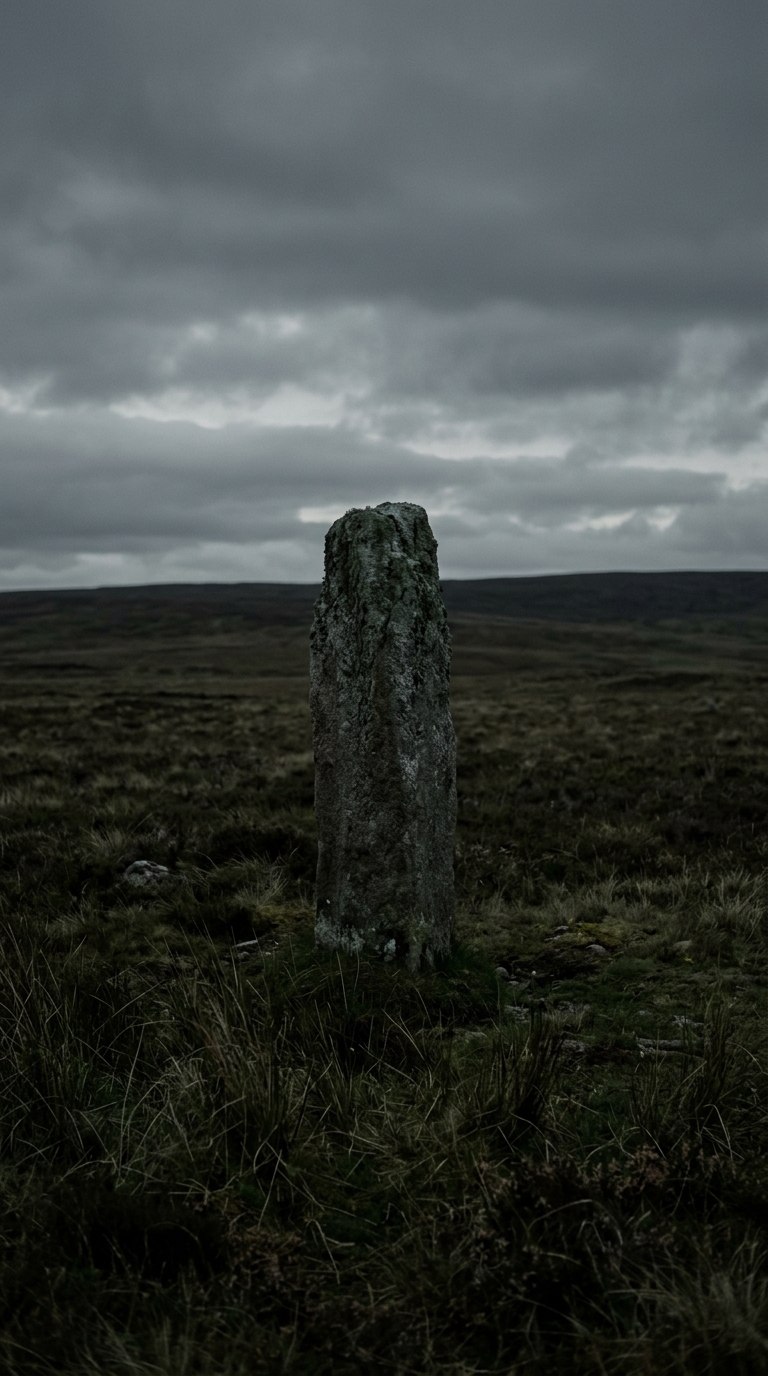
A single upright stone in an empty field, weathered and unmoved. For the days when everything is in motion and nothing is holding.
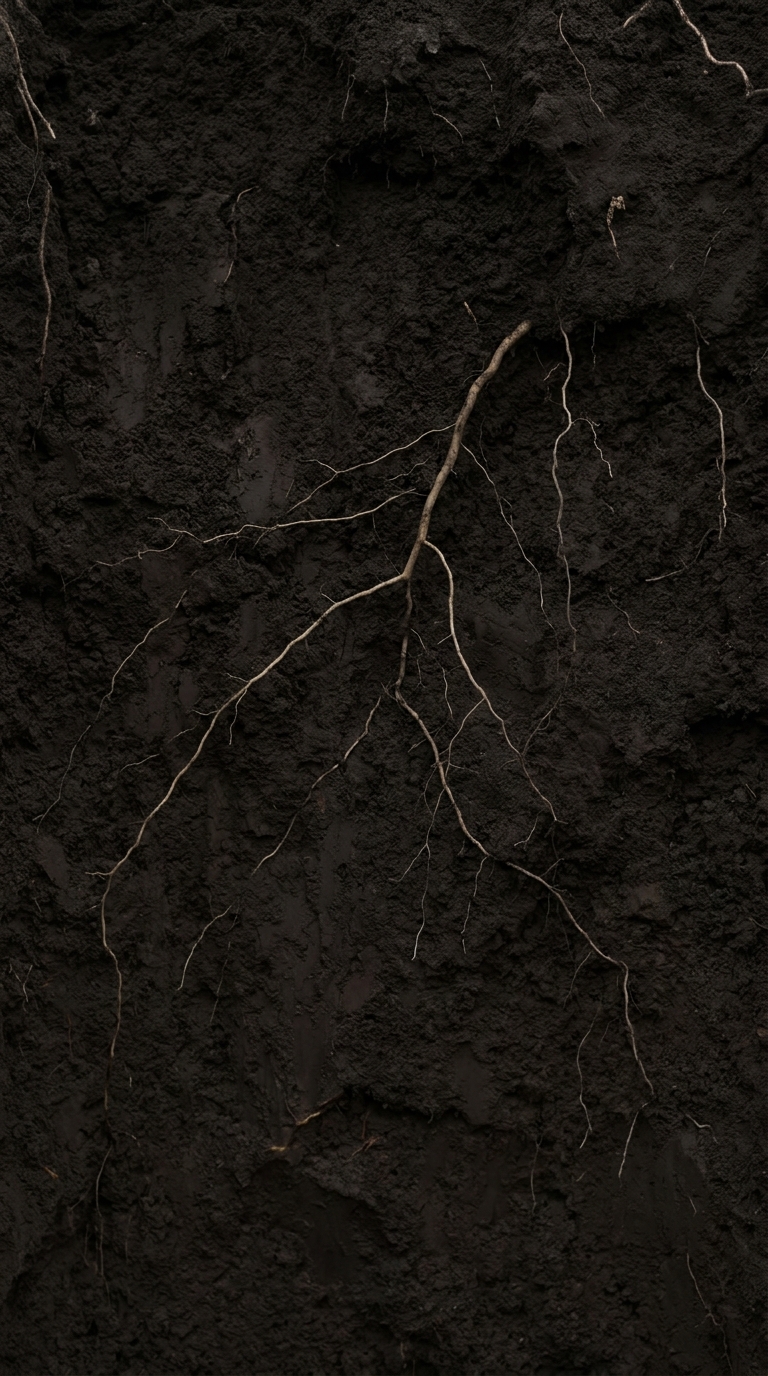
The hidden half of a meadow — the roots, deeper than the grass is tall. For when the visible part of your life feels thin.
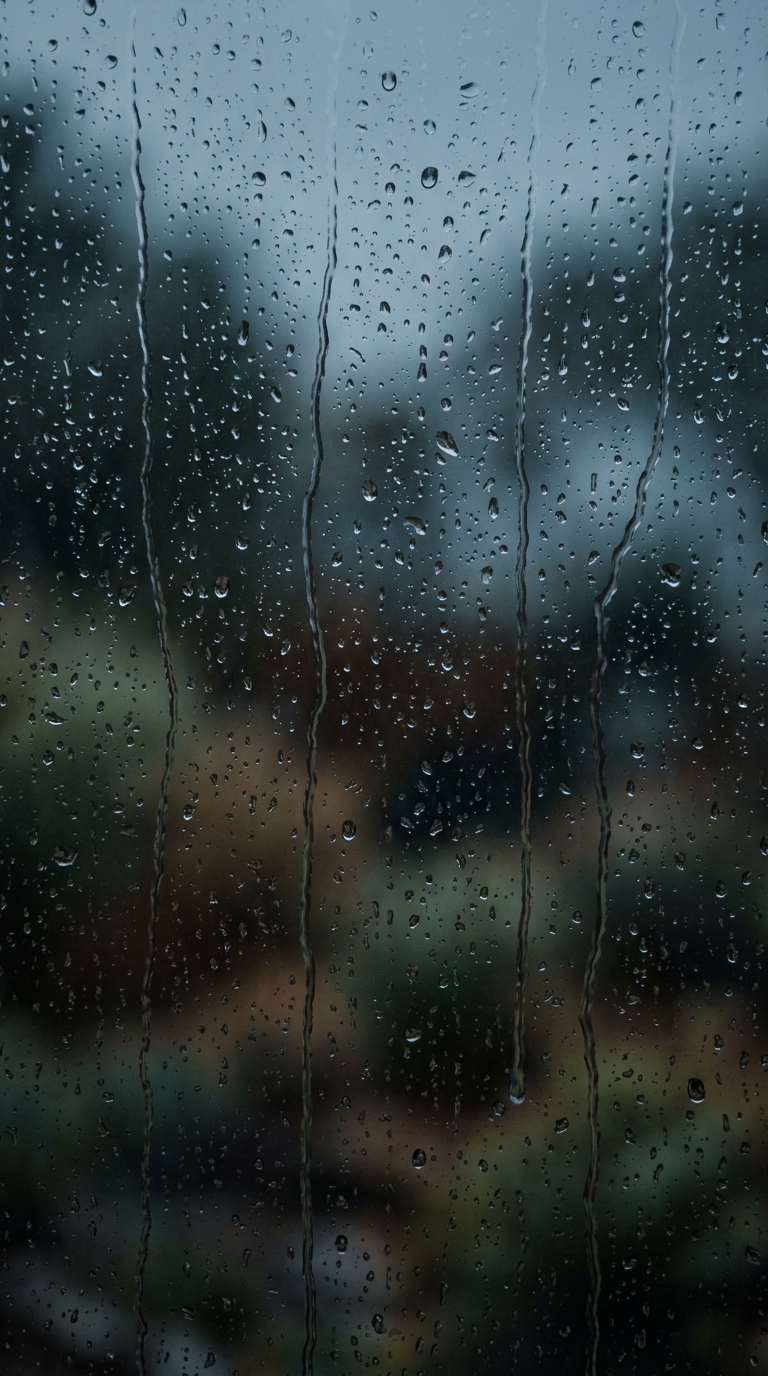
Inside, dry and warm, with rain coming down steadily outside. The most reliably comforting image in the set.
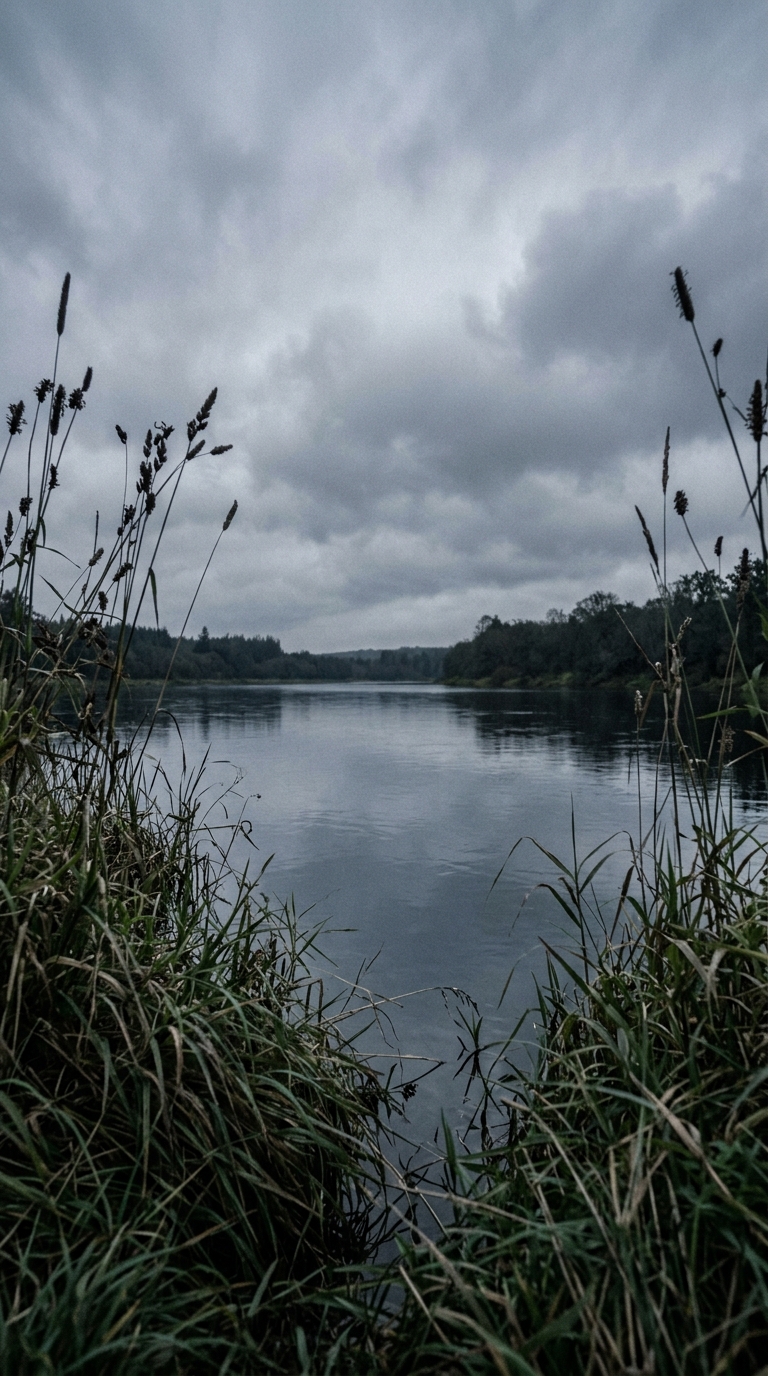
A wide river moving too slowly to see, carrying everything downstream without effort. For letting go of something you have been holding.
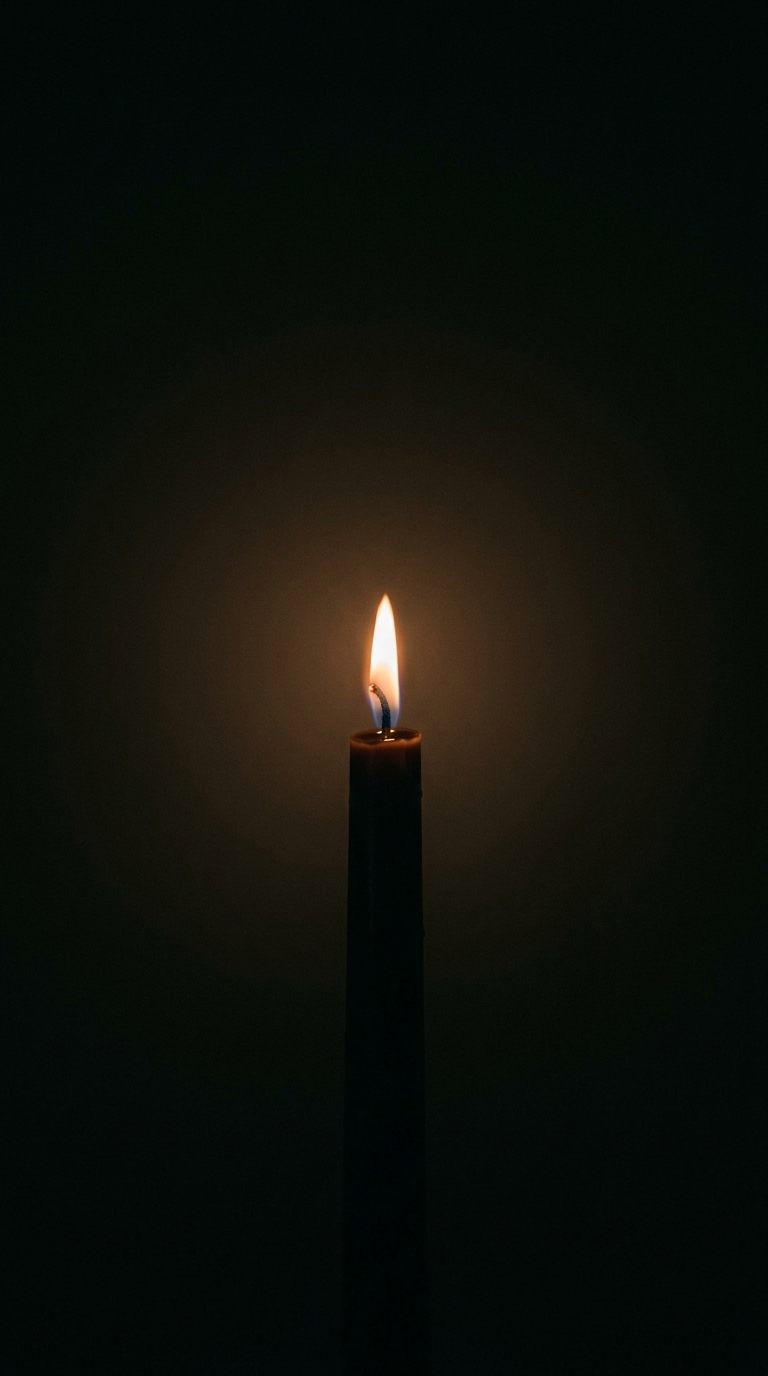
A single flame in a dark room, upright and unmoving. The classical concentration image, done with the eyes closed rather than open.
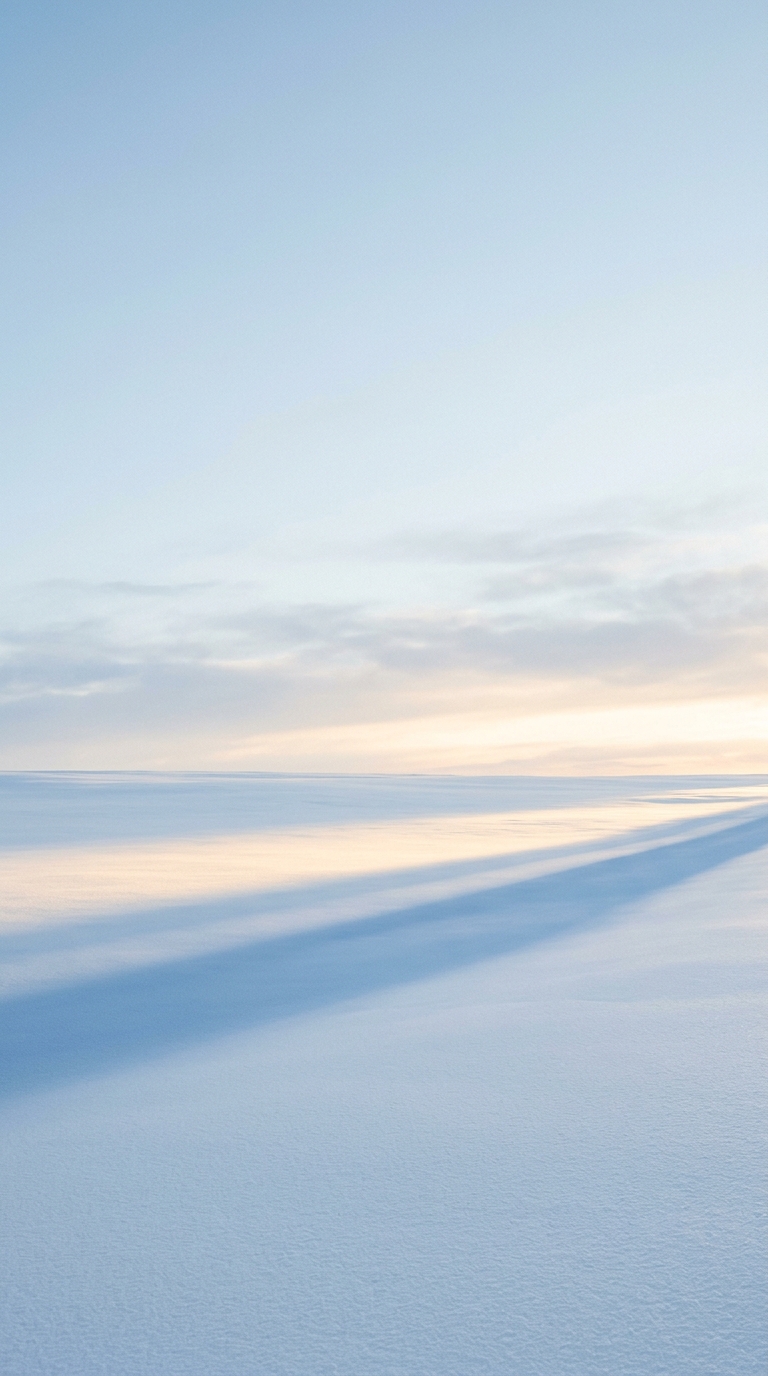
Sunrise reaching a snowfield — cold ground, warm light. Rousing without heat, which makes it the morning scene for someone who runs hot.
Cloud moving fast across a sky, seen from below. For a mind that is already moving quickly and does not need slowing so much as widening.
A window opened onto a spring morning, and the first air of the year coming in. For rooms and days that have gone stale.
A room with nothing in it. Not abandoned, not waiting — simply empty, and large. For when everything is too full.
The silence a sound comes out of, rather than the one it leaves behind. The subtlest scene in the set and the one that repays repetition.
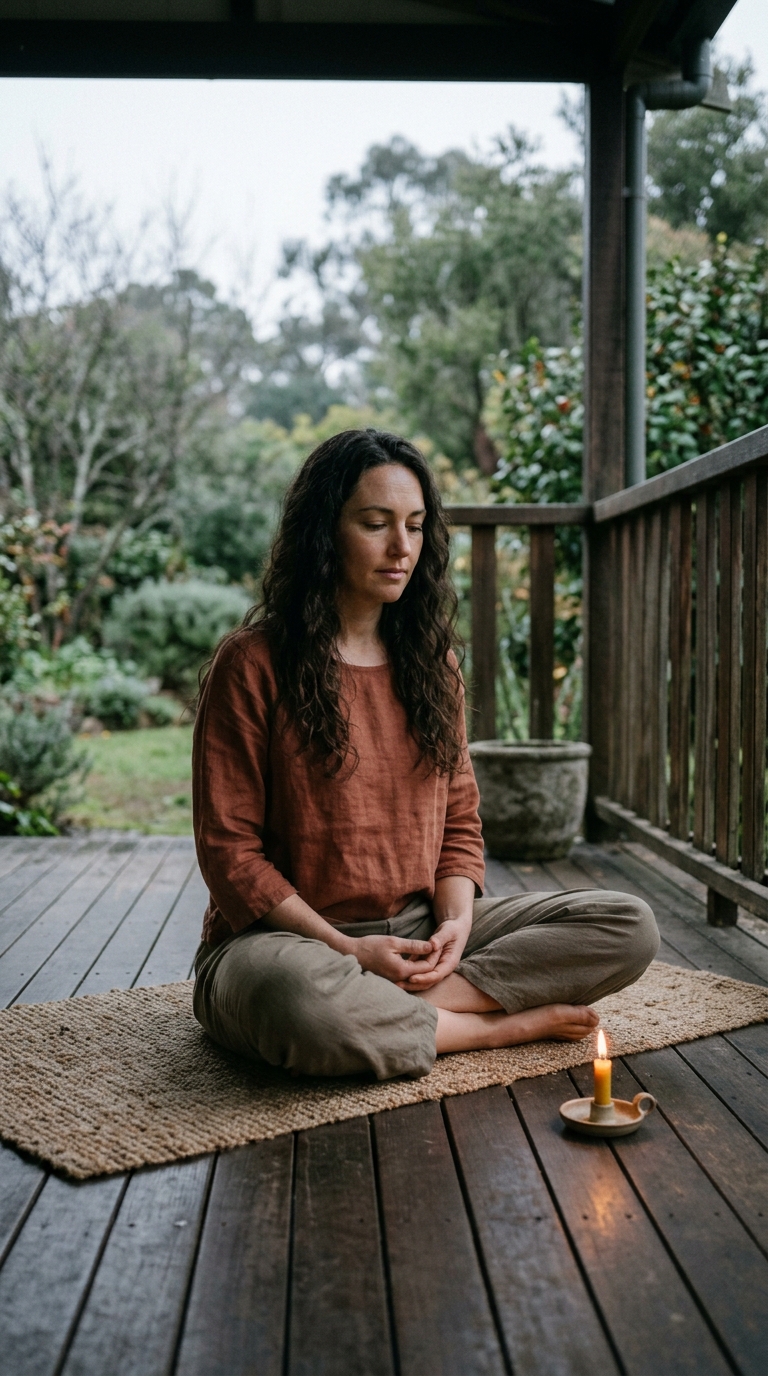
Looking at one point without blinking until the eyes water, then closing them and watching the after-image. Rousing, and the strongest concentration practice here.
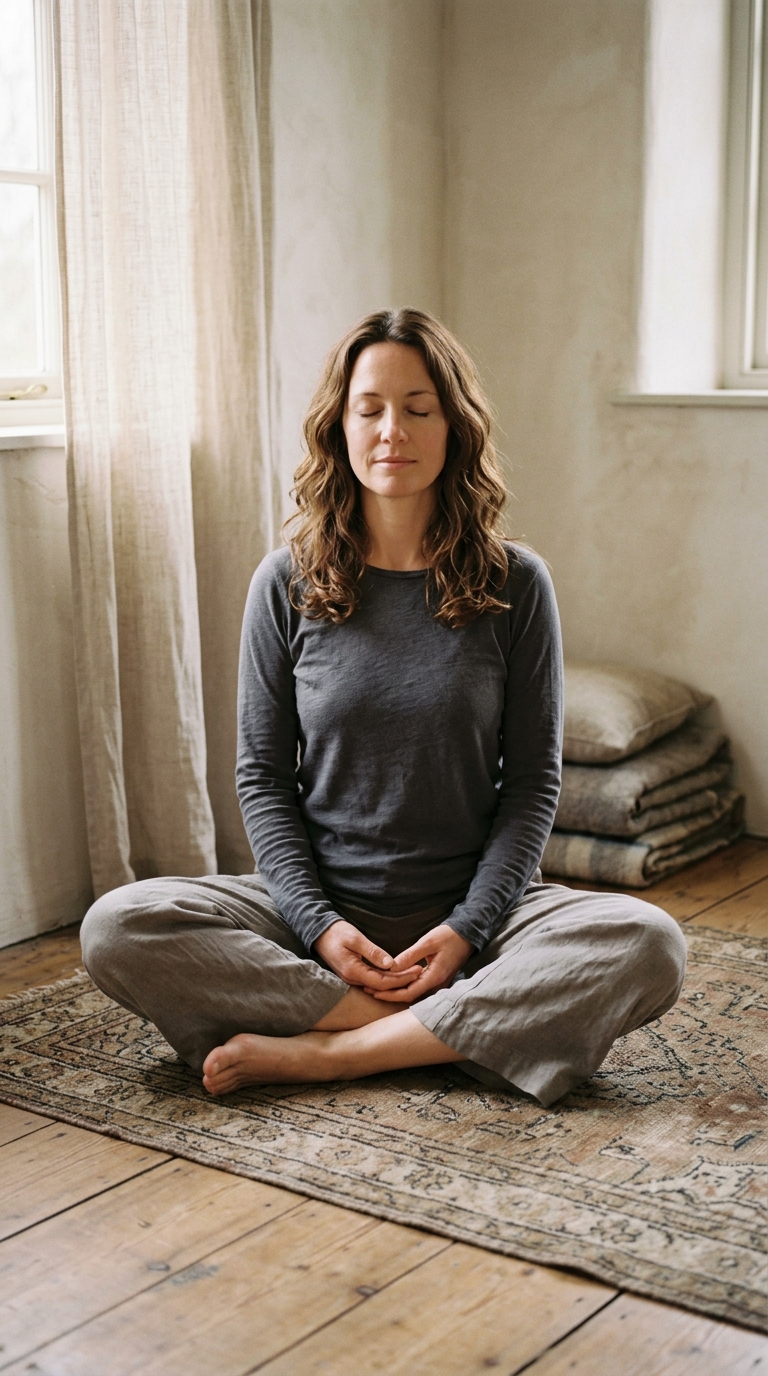
Setting aside everything you can observe, on the grounds that whatever is observing cannot be the thing observed. The most demanding practice here.
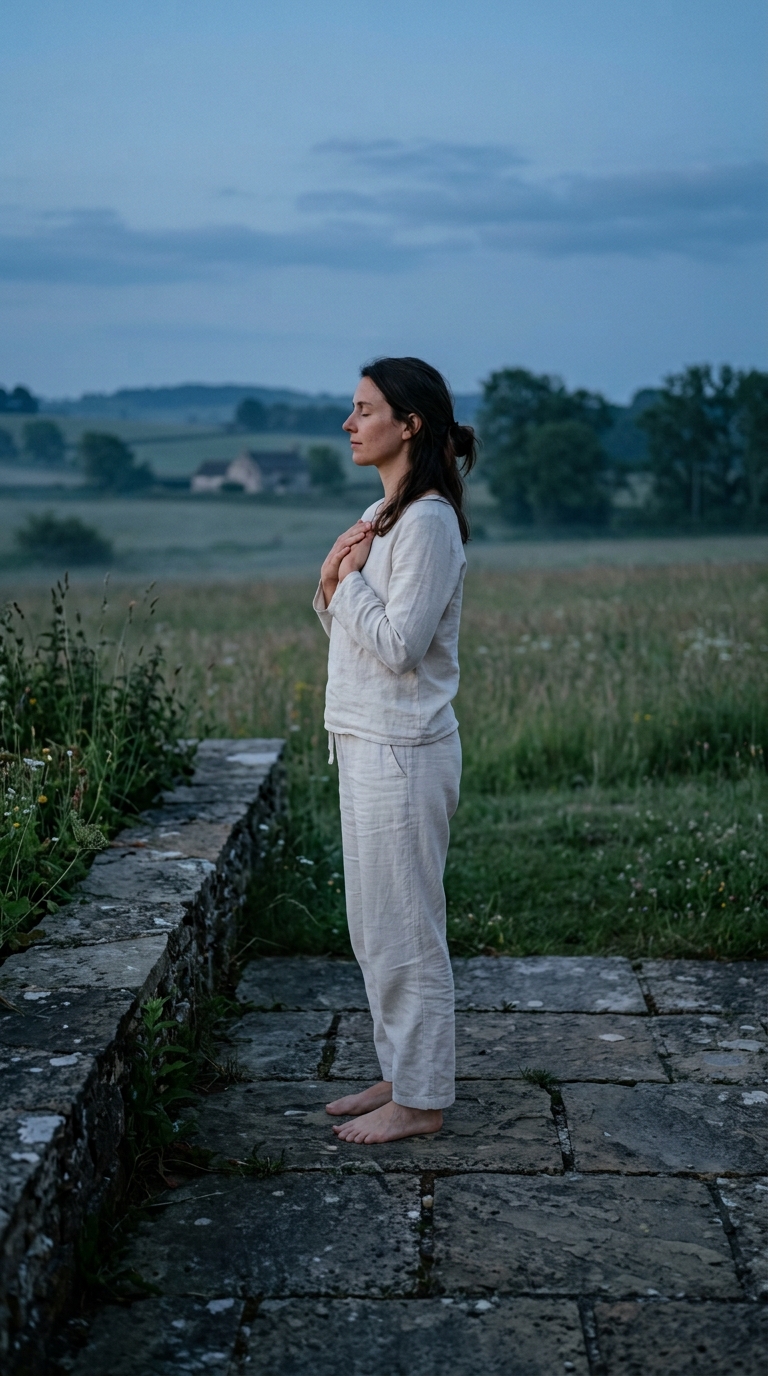
Attention resting in the middle of the chest, in the space the texts call the inner ether. Steadying without being heavy.
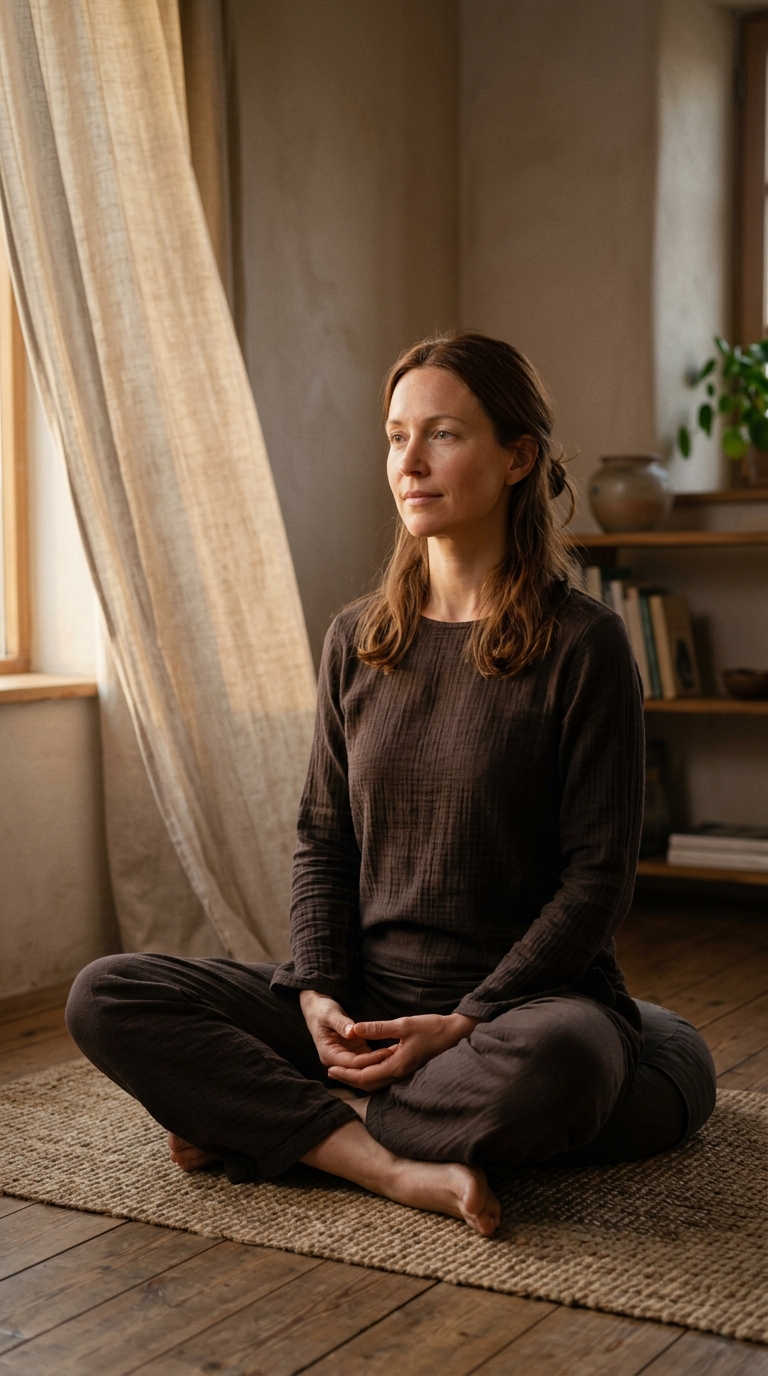
No object, no mantra, no breath. Only whatever the ears are already doing. The easiest practice to do anywhere and the hardest to do for long.
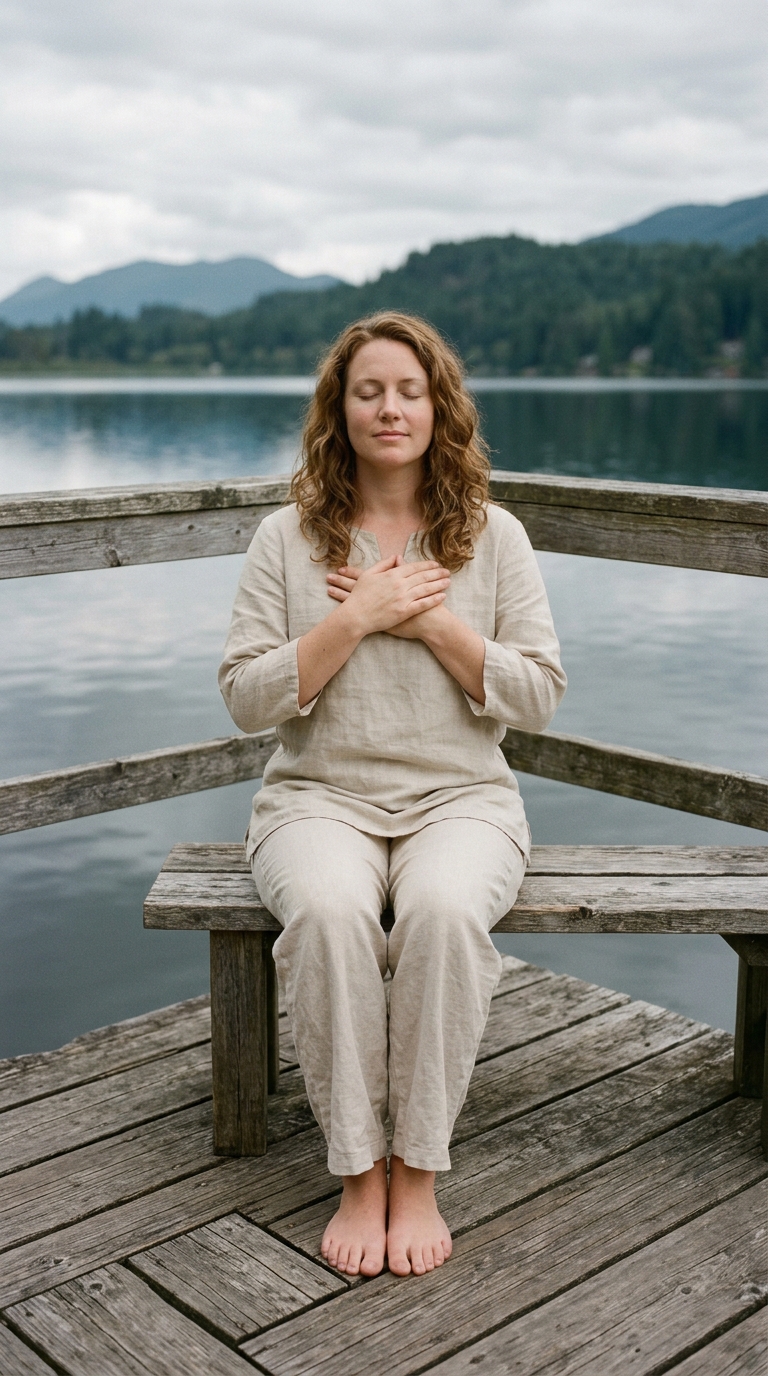
Turning toward suffering rather than away from it, with a wish rather than a plan. The practice for helplessness in the face of someone else's trouble.
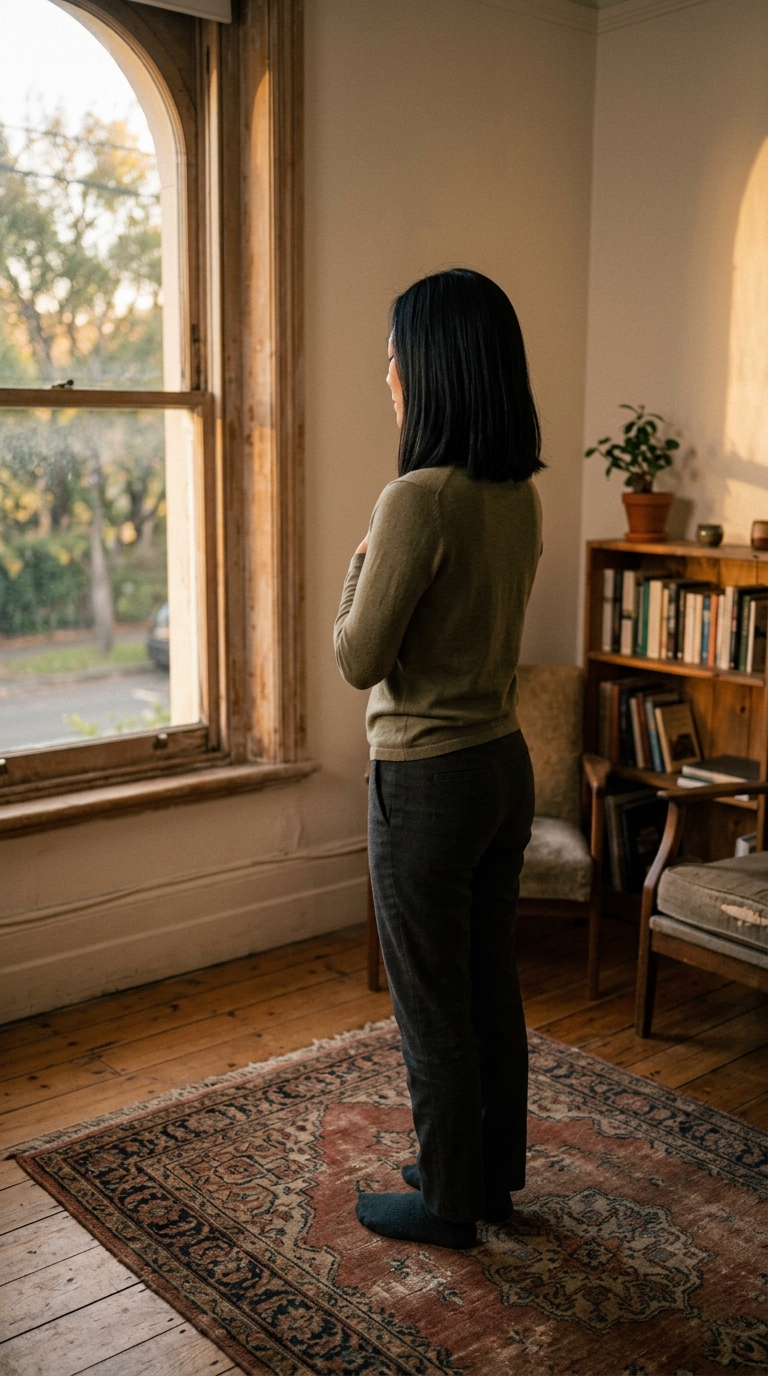
The least practised of the four and the most useful in an envious month. Being pleased about something good that happened to someone else.
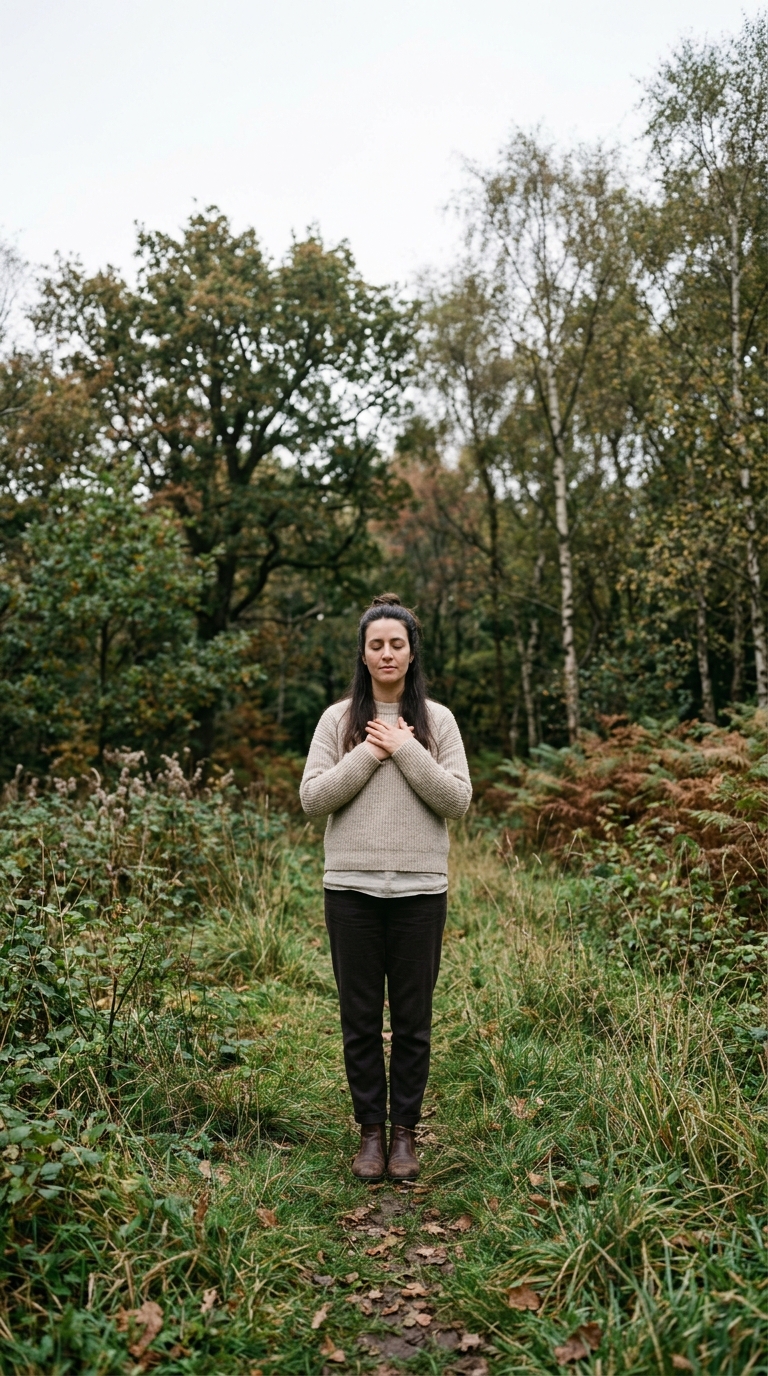
The last of the four, and the one that keeps the other three from becoming exhausting. Caring without taking responsibility for the outcome.
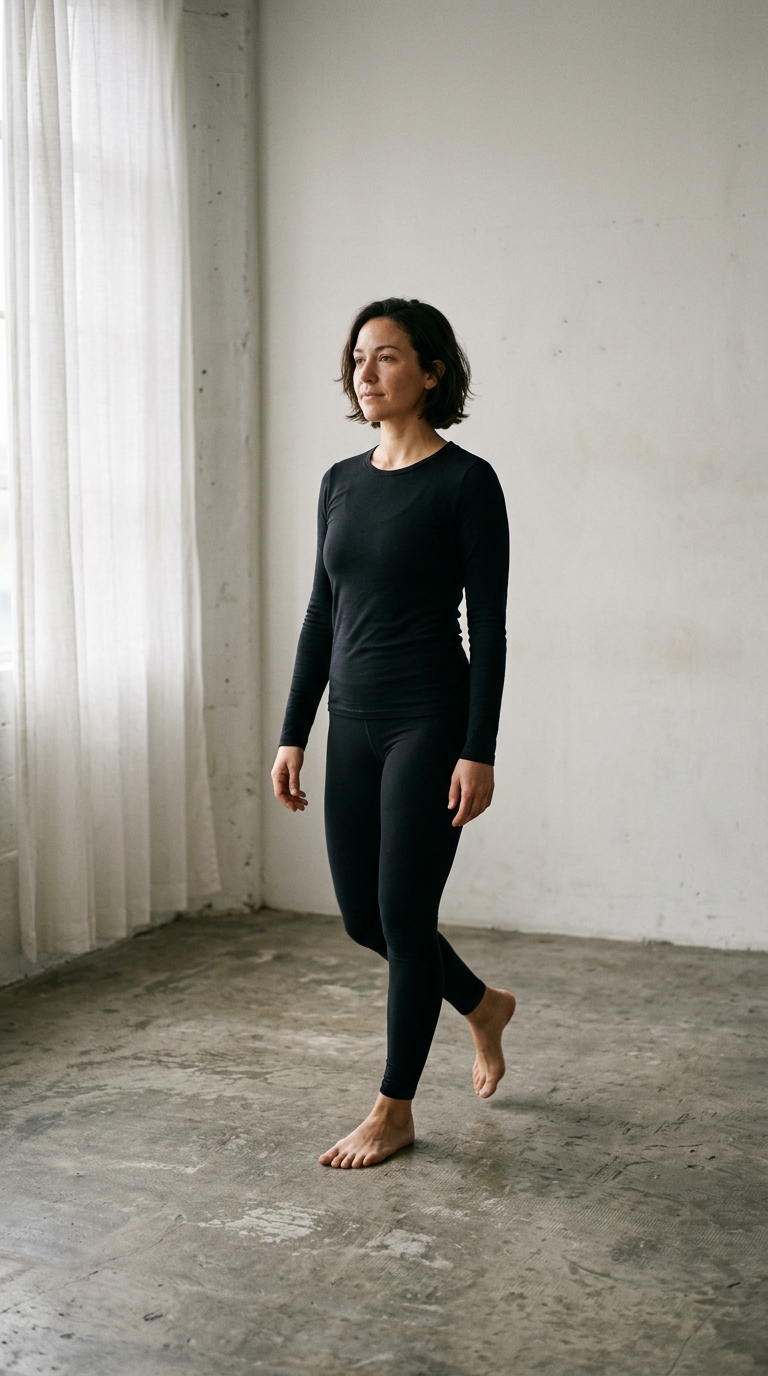
Ten paces one way, turn, ten paces back, at a quarter of normal speed. The practice for a body too restless to sit and a mind too busy to close its eyes.
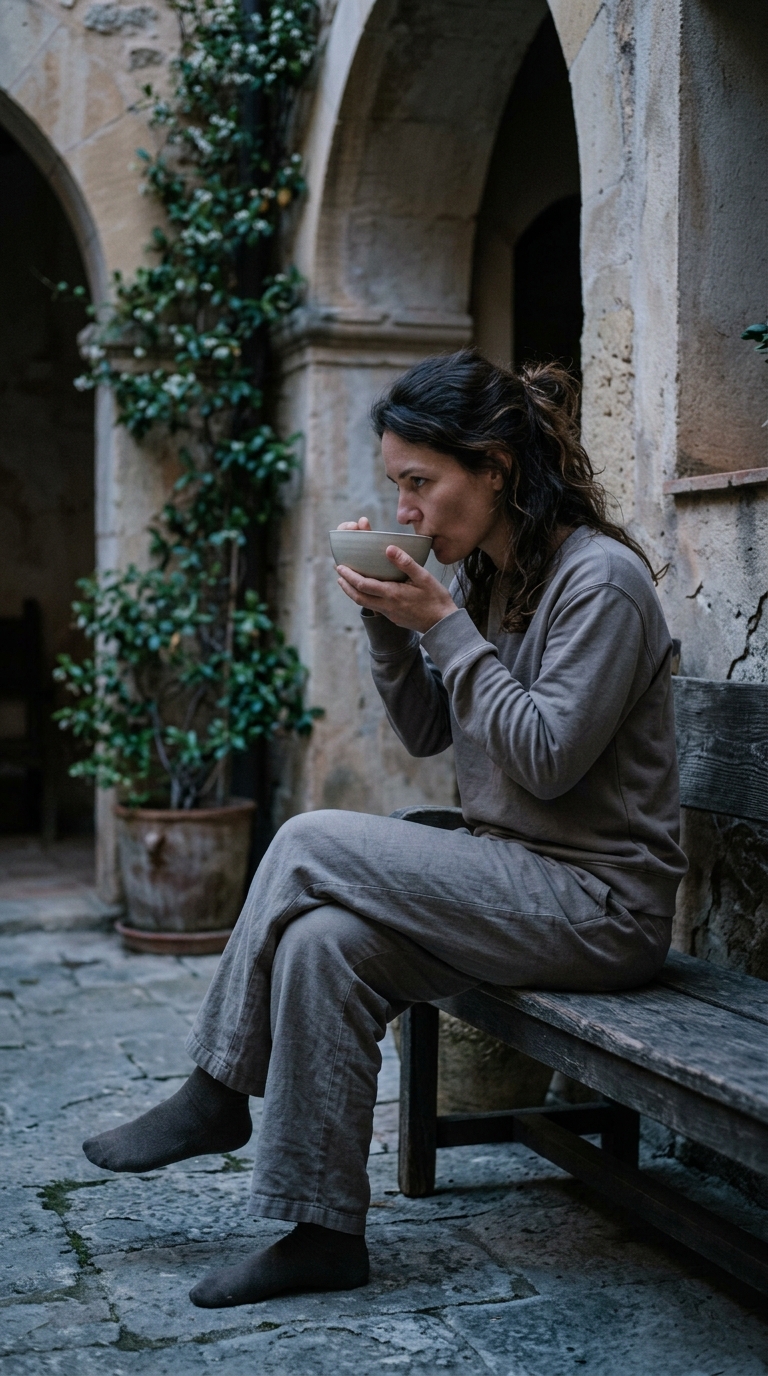
Three mouthfuls eaten with full attention at the start of a meal. Ayurveda treats how you eat as seriously as what you eat, and this is why.
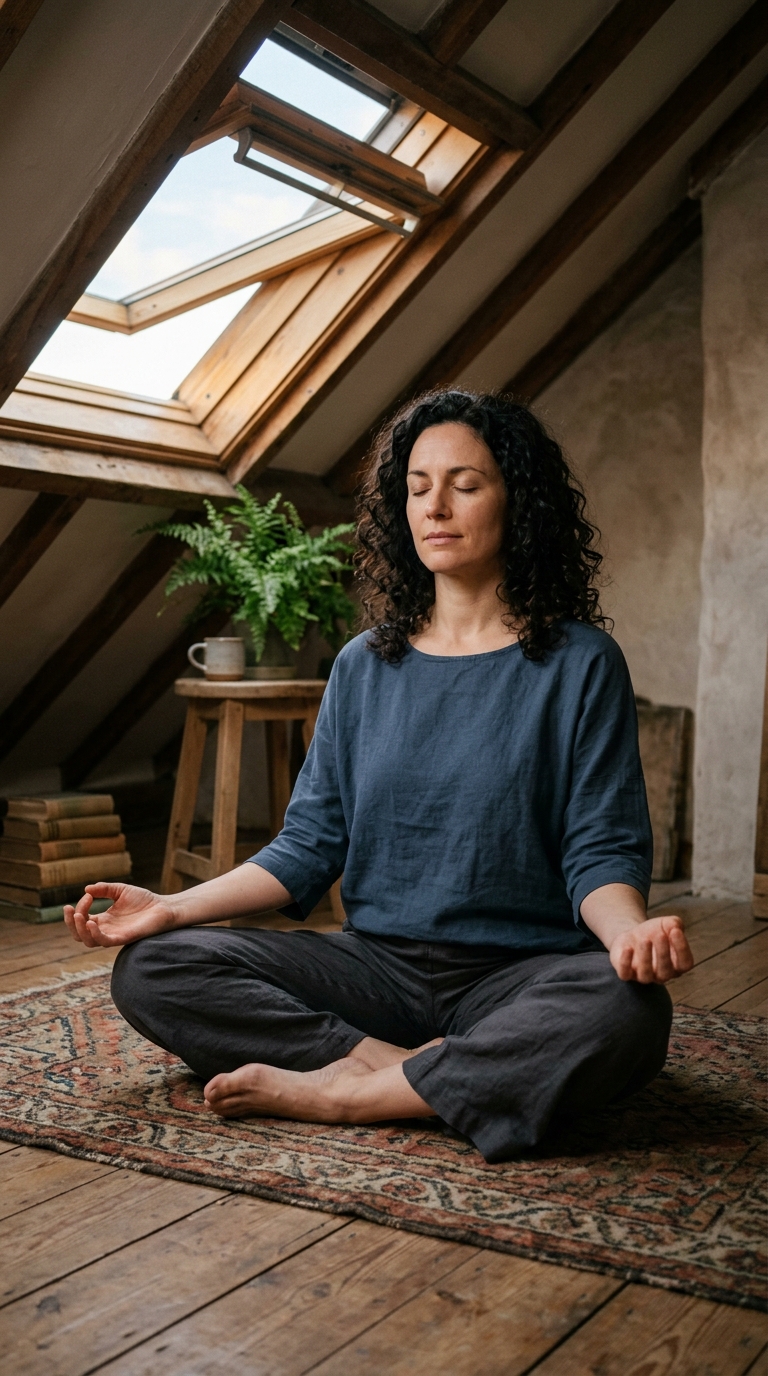
Deliberately taking attention back from each sense in turn. The hinge between the outward limbs of yoga and the inward ones.
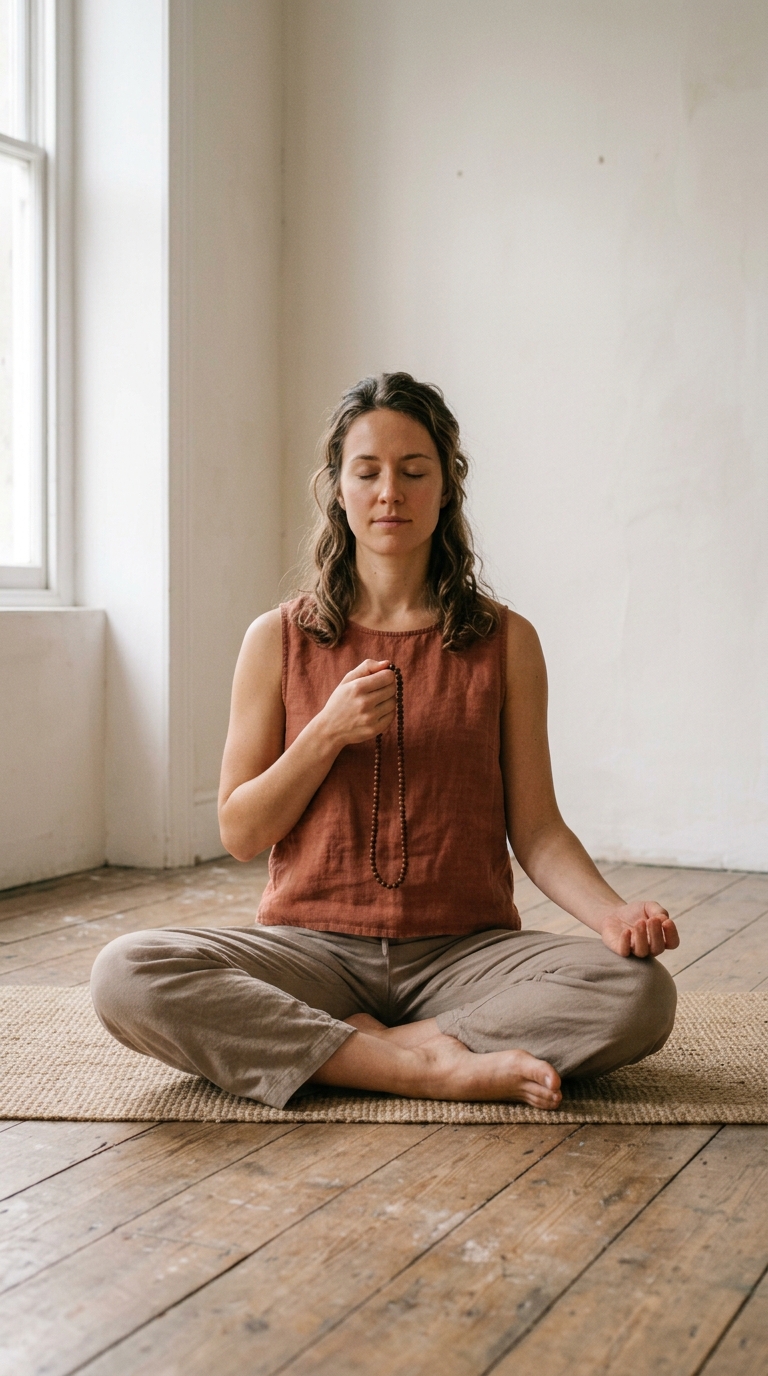
One repetition per bead, once round the mala. The beads keep the count so the mind does not have to, which is more of a relief than it sounds.
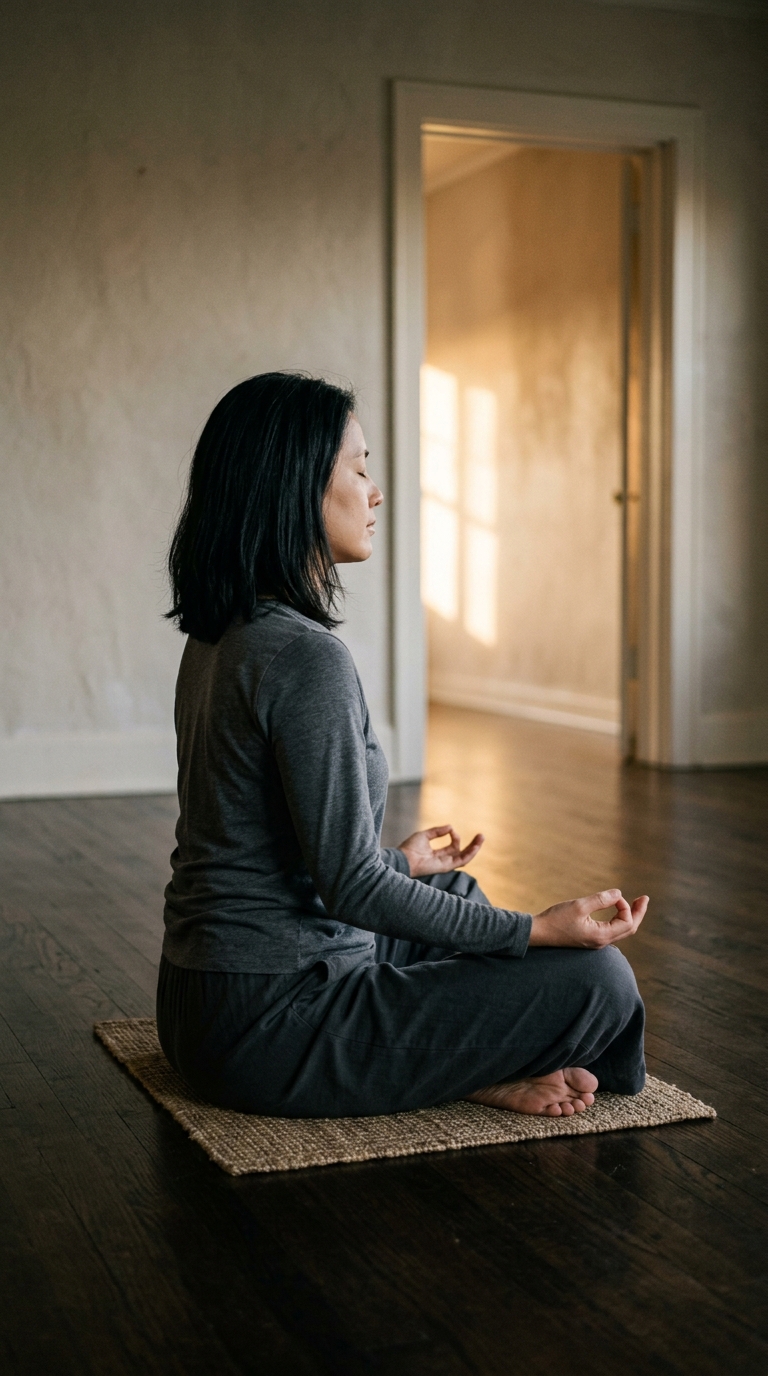
A clear-eyed look at the fact that the body is on loan. Sobering rather than morbid, and it makes ordinary days noticeably better.
Three minutes before anything else — before the phone, before the kettle. The classical daily routine puts intention first for a reason.
A short contemplation of what a balanced meal actually contains, done before eating. It changes what you reach for more reliably than a rule does.
A contemplation for the fortnight either side of a seasonal change — the period classical texts single out as the most destabilising of the year.
Retracing the day backwards, without judging any of it. Clears the mind before sleep better than trying not to think.
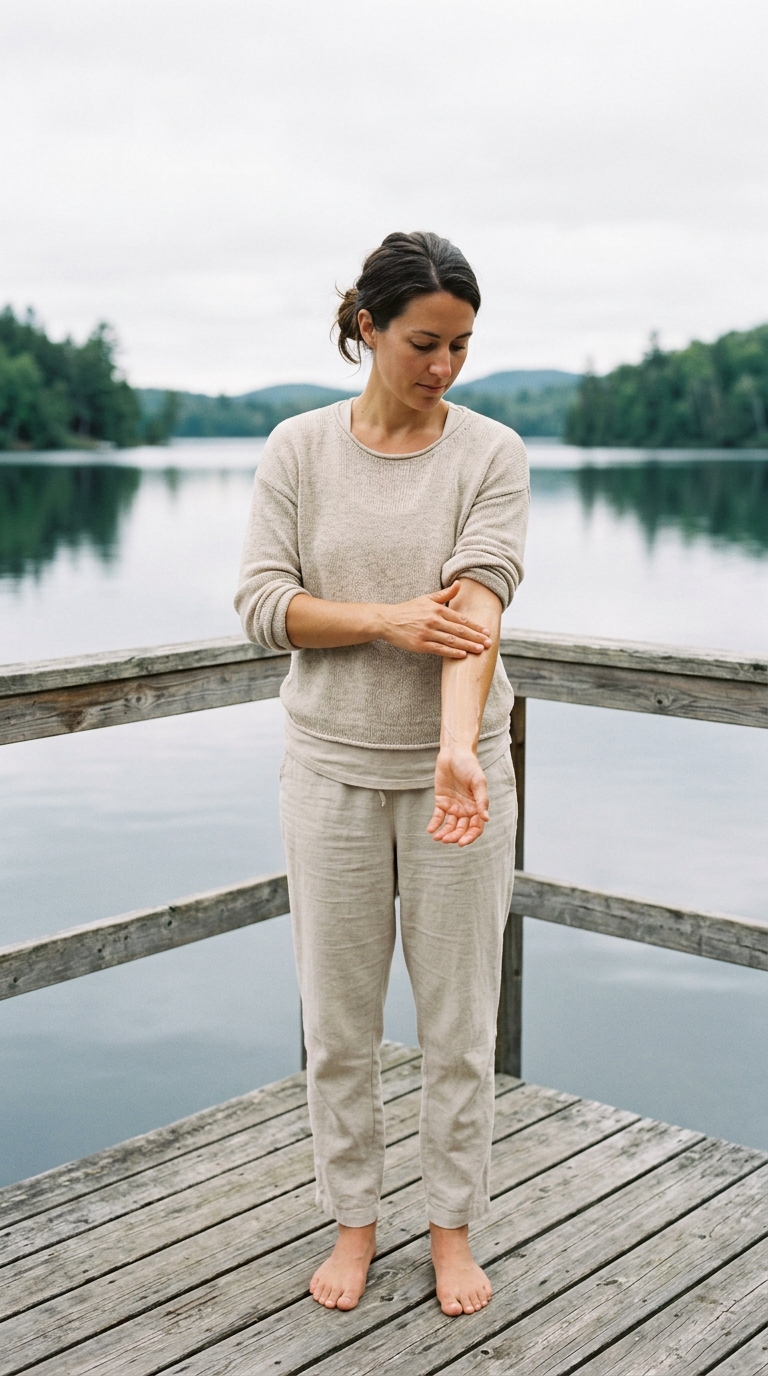
Attention during the classical self-massage, which the texts prescribe daily and almost nobody does. Deeply pacifying for vata.
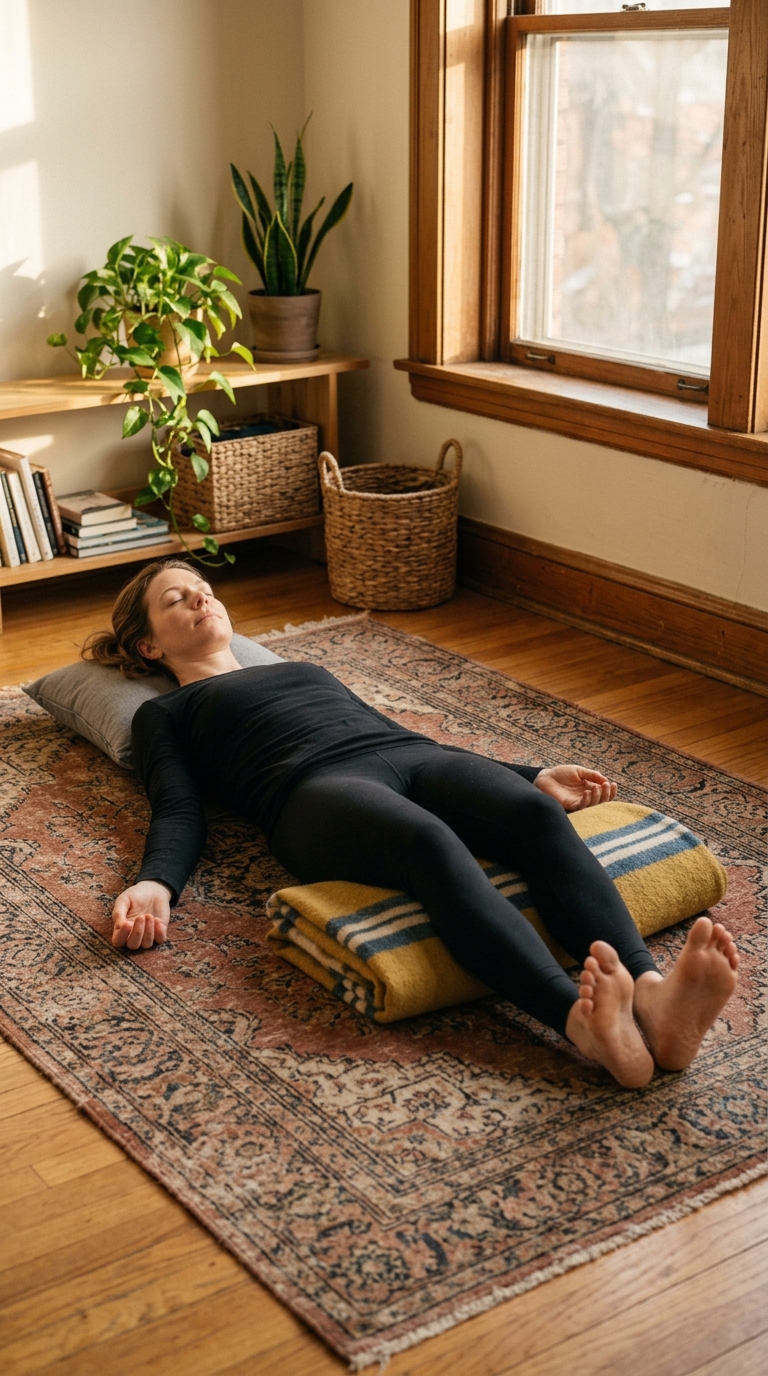
The complete form: intention, body rotation, breath, opposite sensations, brief imagery, and the intention again. The deepest rest in the library.
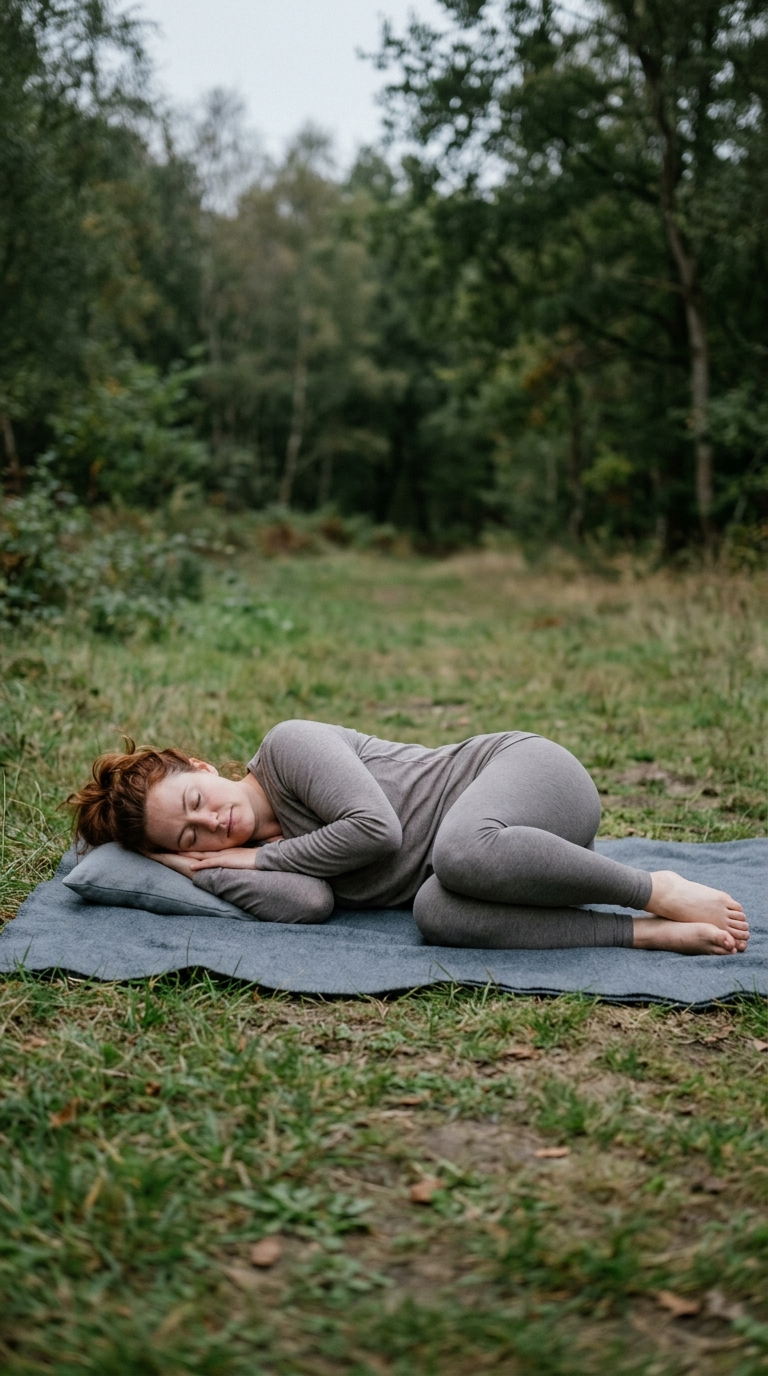
Designed to be abandoned partway through. There is no ending, nothing to return from, and no chime.