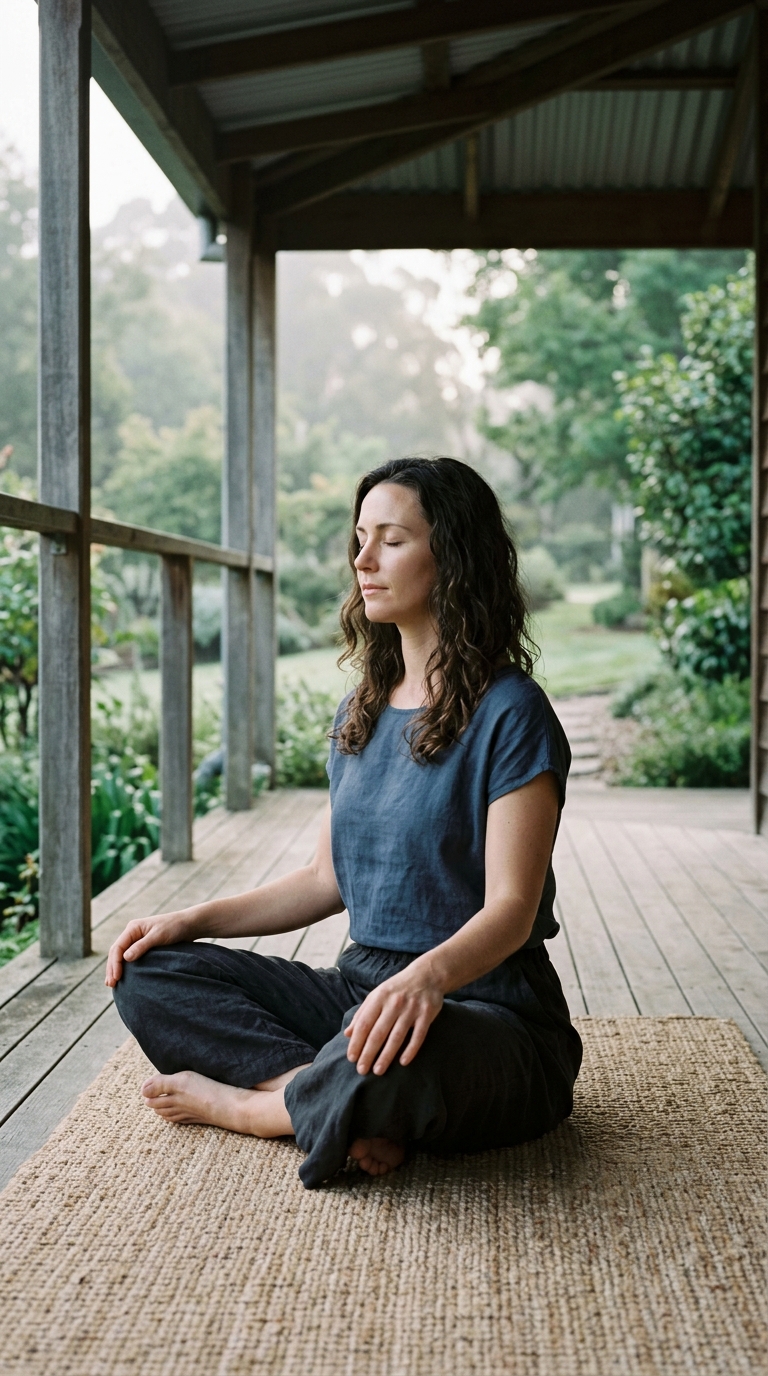
Meditation · Common to Yogic and Chan/Zen practice

Counting the Exhale Sankhya Pranadharana

Counting only the out-breath, ten at a time. The narrowest possible task, which is why it works on a mind too busy for anything wider.

Run the Guided Counting the Exhale Timer on iPhone & iPad Practice with unhurried voice narration, ambient drone audio, and customizable session lengths.
Download on the App Store
Counting the Exhale (Sankhya Pranadharana) — Guided Meditation Artwork

Counting the Exhale (Sankhya Pranadharana) — Meditation from Common to Yogic and Chan/Zen practice.

Vāta: Strongly Pacifies (-3) Pitta: Pacifies (-1) Kapha: Neutral (0)
Practice Type
Meditation
Technique
Breath Counting
Posture & Eyes
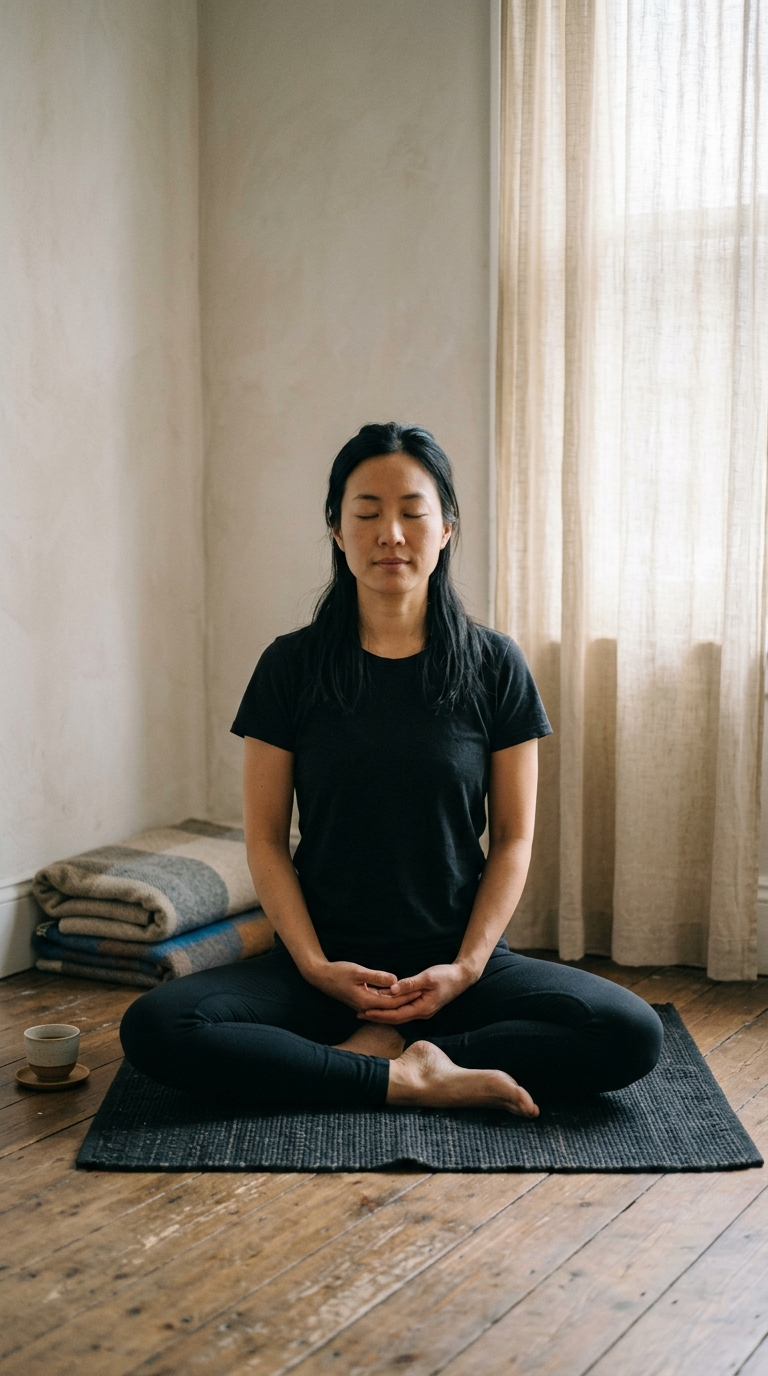
Seated · Eyes closed
Session Lengths
7 min, 12 min, 22 min
Guna & Agni
Sattvic · Agni: neutral
Best Time of Day
Morning, Afternoon, Evening

Overview & Traditional Lineage

Counting the Exhale (Sankhya Pranadharana) is a classical meditation rooted in Common to Yogic and Chan/Zen practice. Counting only the out-breath, ten at a time. The narrowest possible task, which is why it works on a mind too busy for anything wider.

Primary Goals: Anxiety, Focus, Sleep. Themes: Racing-Thoughts, Overwhelm.

Full Guided Practice Script & Cue Timeline

TimestampSpoken Cue / InstructionPause
0:00Sit upright but not stiff. The spine long, the shoulders heavy.10s
0:17Breathe in without counting. Then, as the breath leaves, count one.12s
0:36In again, no count. Out — two.14s
0:54Only the out-breath carries a number. The in-breath is free.16s
1:17Go up to ten, then begin again at one.45s
2:07If you find yourself at fifteen, the mind has gone for a walk. No matter. Start again at one.40s
2:59If you lose the number entirely, start again at one. Beginning again is not starting over.60s
4:09Keep counting. One to ten, then one again.90s
5:44Now let the counting fall away and just breathe.40s
6:30Notice whether the breath is different from when you began. It usually is.20s

Contraindications & Guidance

Gentle practice suitable for most practitioners when seated comfortably.
iOS App for iPhone & iPad

Practice with 908 illustrated postures, custom prāṇāyāma timers & dosha meal plans

Combine classical Vata, Pitta, and Kapha balance, Six Tastes (Shad Rasa), and seasonal Ritucharya routines with verified USDA calorie, macronutrient, vitamin, and mineral tracking.

Related Prāṇāyāma, Mudrā & Meditation Practices

Cooling AttentionMeditation

Cooling Attention (Shita Dharana)

For heat — in the body, in the temper, in the hour after an argument. Attention rests on the coolest sensations available and lets the rest follow.

Weight and ContactMeditation

Weight and Contact (Sparsha Dharana)

Attention on the places where the body meets the floor. The most reliable practice for a mind that will not settle, because weight cannot be argued with.

Rotation of AwarenessMeditation

Rotation of Awareness (Chidakasha Dharana)

Attention moves through the body in a fixed order, resting a moment in each place. The order never changes, which is what makes it restful — there is nothing to decide.

Silent RepetitionMeditation

Silent Repetition (Manasika Japa)

A single word or syllable, repeated inwardly at the pace of the breath. The word matters less than the repetition, which is the whole method.