Meditation · Mandukya Upanishad — the three sounds of Om and the fourth, the silence after

The Sound and Its Ending Pranava Dhyana

Chanting Om aloud and then attending to the silence it leaves behind. Rousing rather than sedating, which makes it a morning practice.

Run the Guided The Sound and Its Ending Timer on iPhone & iPad Practice with unhurried voice narration, ambient drone audio, and customizable session lengths.
Download on the App Store
The Sound and Its Ending (Pranava Dhyana) — Guided Meditation Artwork

The Sound and Its Ending (Pranava Dhyana) — Meditation from Mandukya Upanishad — the three sounds of Om and the fourth, the silence after.

Vāta: Neutral (0) Pitta: Neutral (0) Kapha: Strongly Pacifies (-3)
Practice Type
Meditation
Technique
Sound And Silence
Posture & Eyes
Seated · Eyes closed
Session Lengths
7 min, 12 min, 22 min
Guna & Agni
Sattvic · Agni: kindles
Best Time of Day
Dawn, Morning

Overview & Traditional Lineage

The Sound and Its Ending (Pranava Dhyana) is a classical meditation rooted in Mandukya Upanishad — the three sounds of Om and the fourth, the silence after. Chanting Om aloud and then attending to the silence it leaves behind. Rousing rather than sedating, which makes it a morning practice.

Primary Goals: Energy, Focus. Themes: Heaviness, Morning, Clearing.

Full Guided Practice Script & Cue Timeline

TimestampSpoken Cue / InstructionPause
0:00Sit upright. This one is loud, so choose your moment.12s
0:18Take a full breath in, and on the way out let a long low sound come from the chest. Aaaa.16s
0:47Again. Feel where it vibrates — low in the body, behind the breastbone.20s
1:15Now the second sound, higher, in the throat and mouth. Ooooo.18s
1:40And the third, with the lips closed, in the nose and the skull. Mmmmm.18s
2:07Now all three, joined, on one breath. A into O into M.25s
2:40Again. Let it be long. Let the M go on until the breath is gone.30s
3:19Three more, at your own pace. Notice that the sound gets quieter each time without being told to.60s
4:30Now stop. Do not chant. Listen to what the sound left behind.60s
5:38That silence is the fourth part. It is the only part the text says is the real one.45s
6:34Come back when the silence has thinned out.20s

Contraindications & Guidance

Gentle practice suitable for most practitioners when seated comfortably.

iOS App for iPhone & iPad

Practice with 908 illustrated postures, custom prāṇāyāma timers & dosha meal plans

Combine classical Vata, Pitta, and Kapha balance, Six Tastes (Shad Rasa), and seasonal Ritucharya routines with verified USDA calorie, macronutrient, vitamin, and mineral tracking.

Related Prāṇāyāma, Mudrā & Meditation Practices

The Fading BellMeditation

The Fading Bell (Nada Dharana)

Follow one sound all the way down until you cannot say whether it is still there. The mind that follows a decay cannot also be arguing with anyone.

Wishing WellMeditation

Wishing Well (Metta Bhavana)

Four wishes, offered in a fixed order that always begins with yourself. The order is not sentimental — starting anywhere else tends not to work.

The Fire at the NavelMeditation

The Fire at the Navel (Agni Dharana)

Attention on the warmth below the navel — the classical seat of digestion. Warming and mildly rousing, so it belongs in the morning and not before sleep.

The Forest FloorVisualisation

The Forest Floor (Prithvi Dharana)

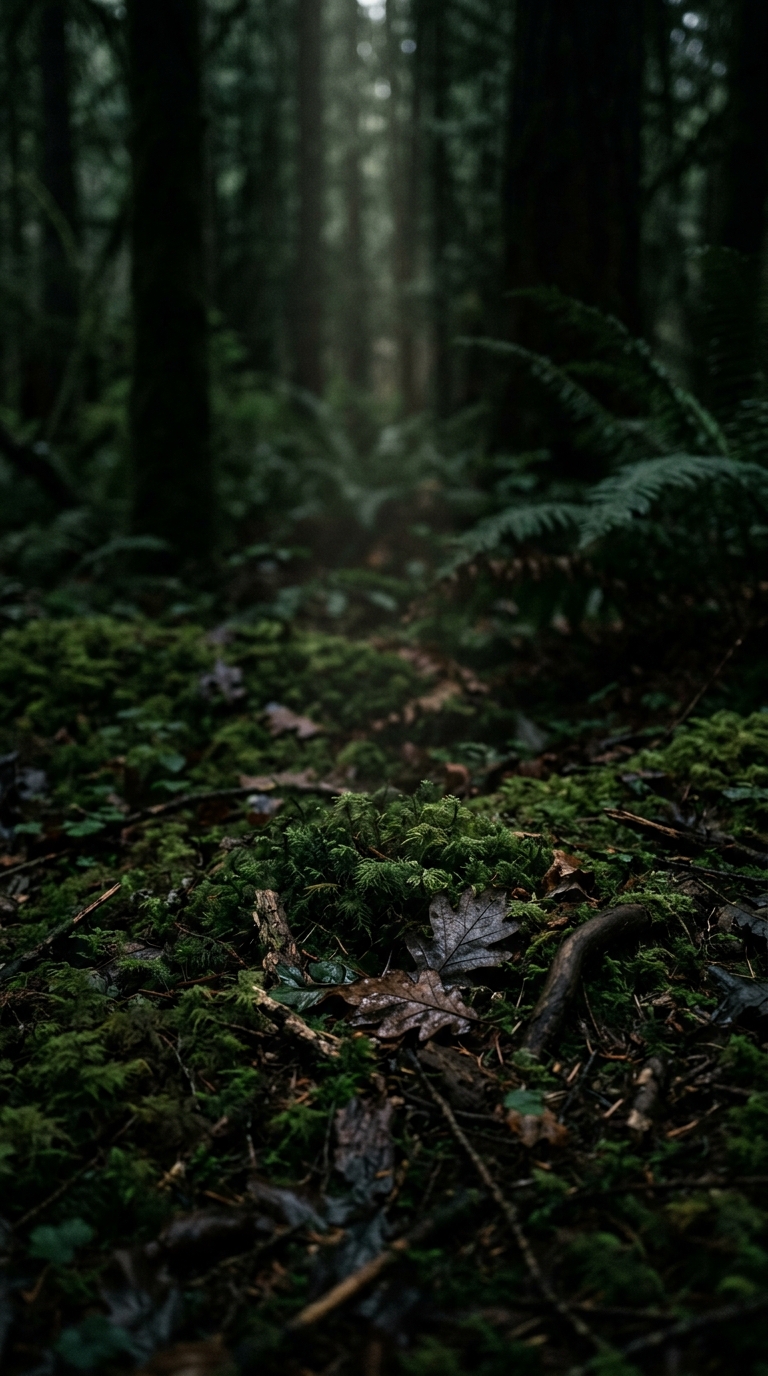
Deep woodland, old ground, roots under everything. The heaviest of the five scenes, and the one to reach for when nothing will stay still.

The Still LakeVisualisation

The Still Lake (Jala Dharana)

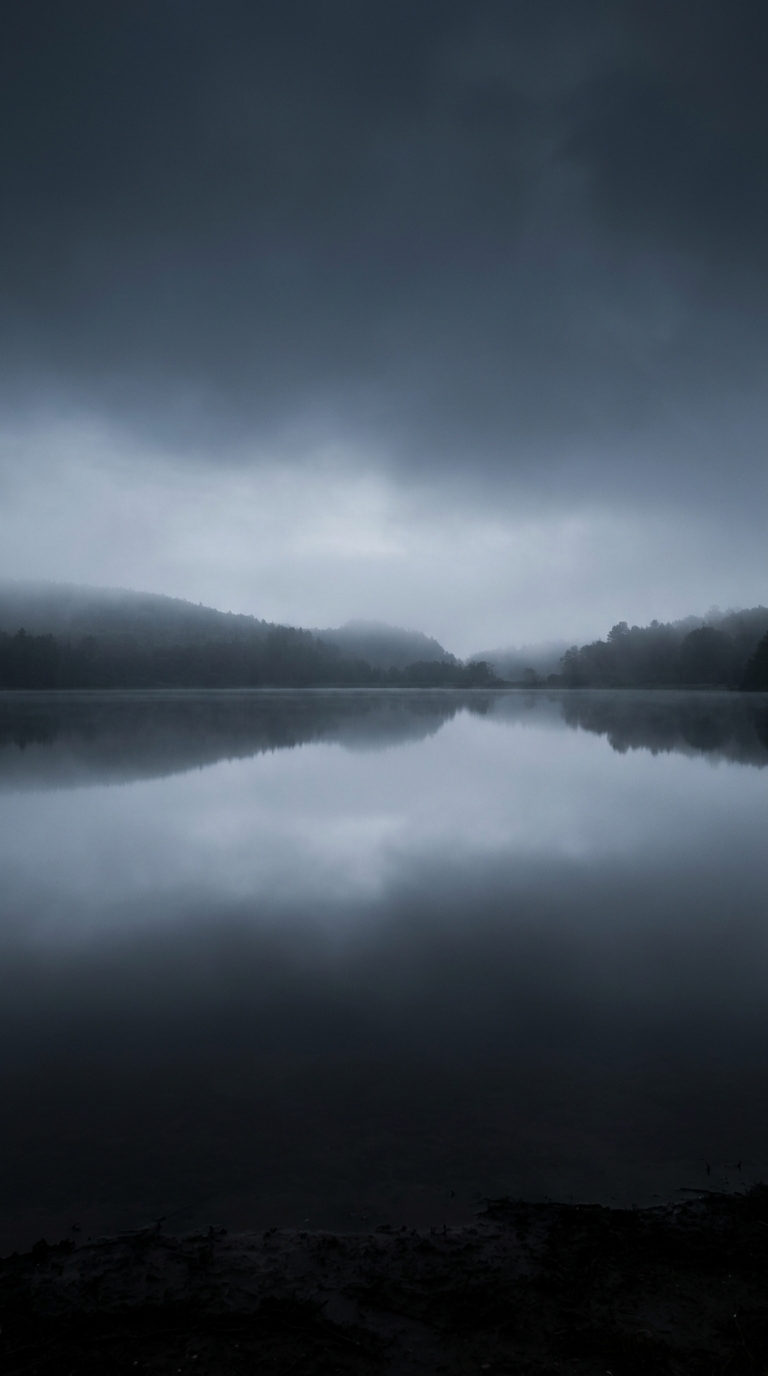
A lake at dusk, no wind. The classical image for a mind that has stopped being disturbed, and the coolest of the five scenes.