Meditation Asana · Beginner (Level 1) · Catalog #800194

Mantra Repetition Japa

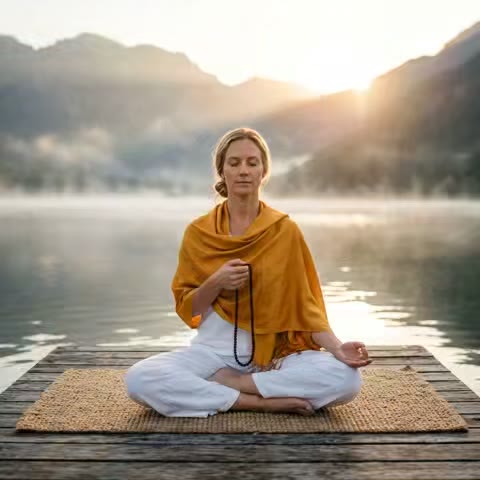
Silent or whispered repetition of a mantra, often counted on a mala. The most widely practised meditation technique in the tradition.

Practice Mantra Repetition (Japa) with Illustrated Cues & Breath Timer Open this posture in Ayurveda & Asana Yoga on iPhone & iPad to build custom dosha sequences and track MET energy burn.
Download on the App Store
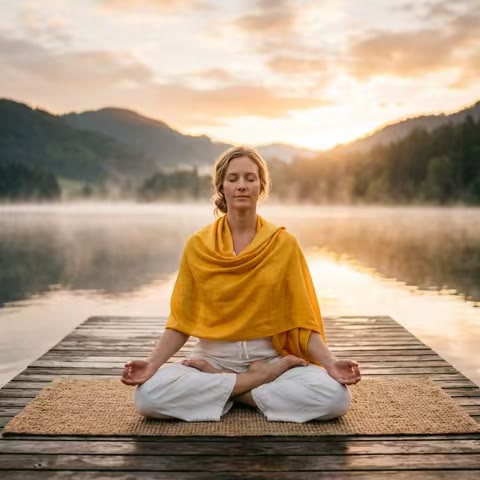
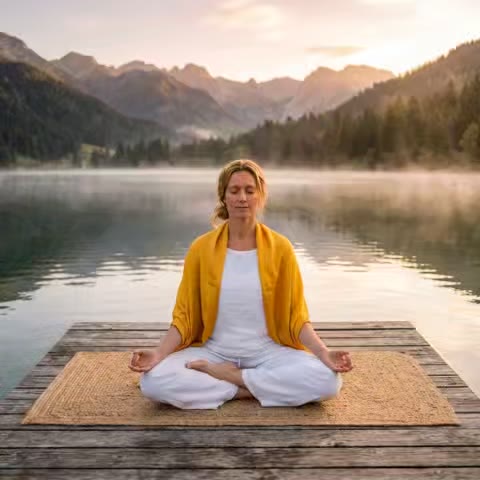
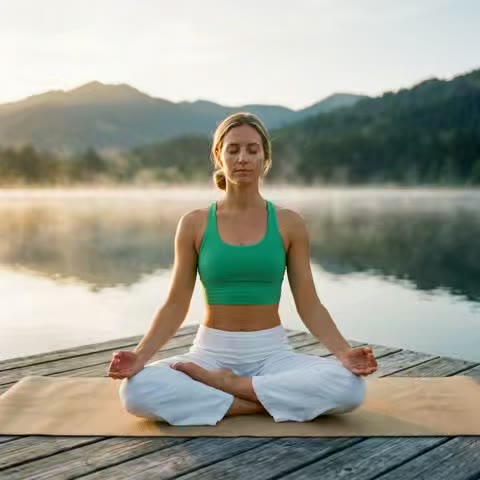
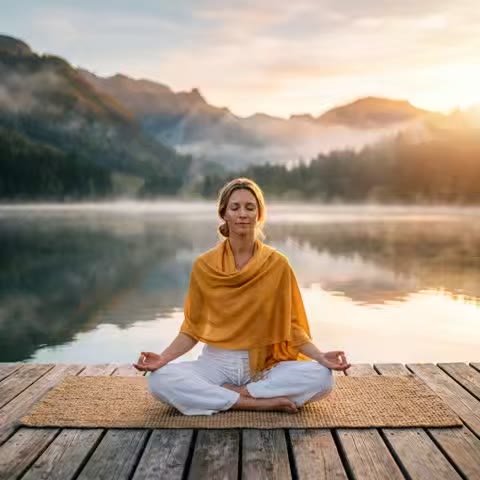
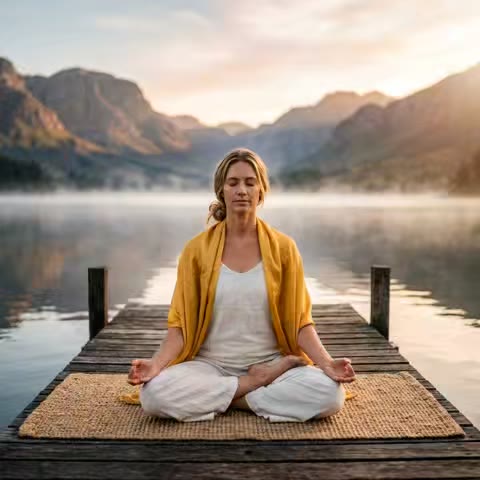
Mantra Repetition (Japa) — Meditation Yoga Posture Illustration

Mantra Repetition (Japa) — Meditation posture targeting Full Body · Natural breath · Eyes closed drishti.

Vāta: Pacifies (-1) Pitta: Pacifies (-1) Kapha: Neutral (0)
Sanskrit Name
Japa
Posture Family
Meditation
Difficulty
Beginner (Level 1)
Recommended Hold
600 seconds
Breath Pattern
Natural
Drishti (Gaze)
Eyes closed
Target Muscles
Full Body
Energy Expenditure
1.1 METs

Alignment, Breath & Drishti Cues for Mantra Repetition

Mantra Repetition (Japa) belongs to the Meditation posture family and engages the Full Body at an intensity of approximately 1.1 METs. Silent or whispered repetition of a mantra, often counted on a mala. The most widely practised meditation technique in the tradition.

  • Breath Rhythm: Maintain Natural throughout the 600-second hold so nervous system tone remains steady.
  • Visual Focal Point (Drishti): Direct the gaze toward Eyes closed to quiet peripheral distraction and stabilize balance.
  • Primary Anatomical Focus: Concentrates mechanical load and mobility across Full Body.
  • Minimum Recommended Age: 6 years (72 months).

Ayurvedic Dosha Profile (Vāta, Pitta & Kapha)

In Ayurvedic asana sequencing (Dosha Provenance: modern-synthesis), every posture shifts Vata, Pitta, and Kapha according to its mechanical compression, heat generation, and grounding stability:

  • Vāta Effect: Pacifies (-1) — pair with slow nasal breathing and unhurried transitions to prevent excess mobility or dryness.
  • Pitta Effect: Pacifies (-1) — keep the jaw, temples, and abdomen soft when holding for 600 seconds.
  • Kapha Effect: Neutral (0) — link into dynamic flows or longer holds when seeking metabolic stimulation.

Contraindications & Safety Precautions

No specific classical contraindications recorded for healthy adults; always practice within pain-free range of motion.
iOS App for iPhone & iPad

Practice with 908 illustrated postures, custom prāṇāyāma timers & dosha meal plans

Combine classical Vata, Pitta, and Kapha balance, Six Tastes (Shad Rasa), and seasonal Ritucharya routines with verified USDA calorie, macronutrient, vitamin, and mineral tracking.

Related Meditation Yoga Poses

Easy Pose (Sukhasana)Meditation · Level 1

Easy Pose (Sukhasana)

A simple cross-legged seat with the spine upright. The default meditation posture when lotus is unavailable, which for most adults it is.

Half Lotus (Ardha Padmasana)Meditation · Level 2

Half Lotus (Ardha Padmasana)

One foot drawn onto the opposite thigh, the other tucked beneath. The usual stepping stone toward full lotus and a stable seat in its own right.

Lotus Pose (Padmasana)Meditation · Level 3

Lotus Pose (Padmasana)

Both feet drawn onto the opposite thighs. The classical seat of the texts, and one that must come from external hip rotation rather than knee torque.

Accomplished Pose (Siddhasana)Meditation · Level 2

Accomplished Pose (Siddhasana)

A cross-legged seat with one heel at the perineum, named for the adepts. Favoured in the hatha texts over lotus for long pranayama sessions.

Seated Meditation (Dhyana)Meditation · Level 1

Seated Meditation (Dhyana)

Sustained undirected awareness in a stable seat. The seventh limb, and the destination the physical practice is arranged to serve.