Ask most people what a mudra is and they will describe a hand gesture: thumb and index finger touching, hands resting on the knees in meditation. That is one meaning. In the classical hatha yoga texts, the same word refers to something quite different: techniques involving the whole body, the breath and internal muscular contractions.
This guide separates the two meanings, explains where each comes from, and offers a way to read the many health claims made for mudras online.
What the word means
Mudra is usually translated as 'seal', 'mark' or 'gesture'. It is used across Hindu, Buddhist and Jain traditions for symbolic or ritual gestures and poses. In Buddhist art, for example, the hand positions of a Buddha image represent particular moments or teachings.
Because the word spans ritual, art, dance and yoga, it is worth asking which tradition a given instruction comes from before assuming it means the same thing everywhere.
Hand gestures in dance, art and meditation
Codified systems of hand gestures are very old in Indian performing arts. The Natyashastra, a classical treatise on drama and dance, describes 24 gestures of a single hand and 13 of both hands combined, each used to convey meaning on stage. Later dance texts such as the Abhinaya Darpana expand and refine these lists.
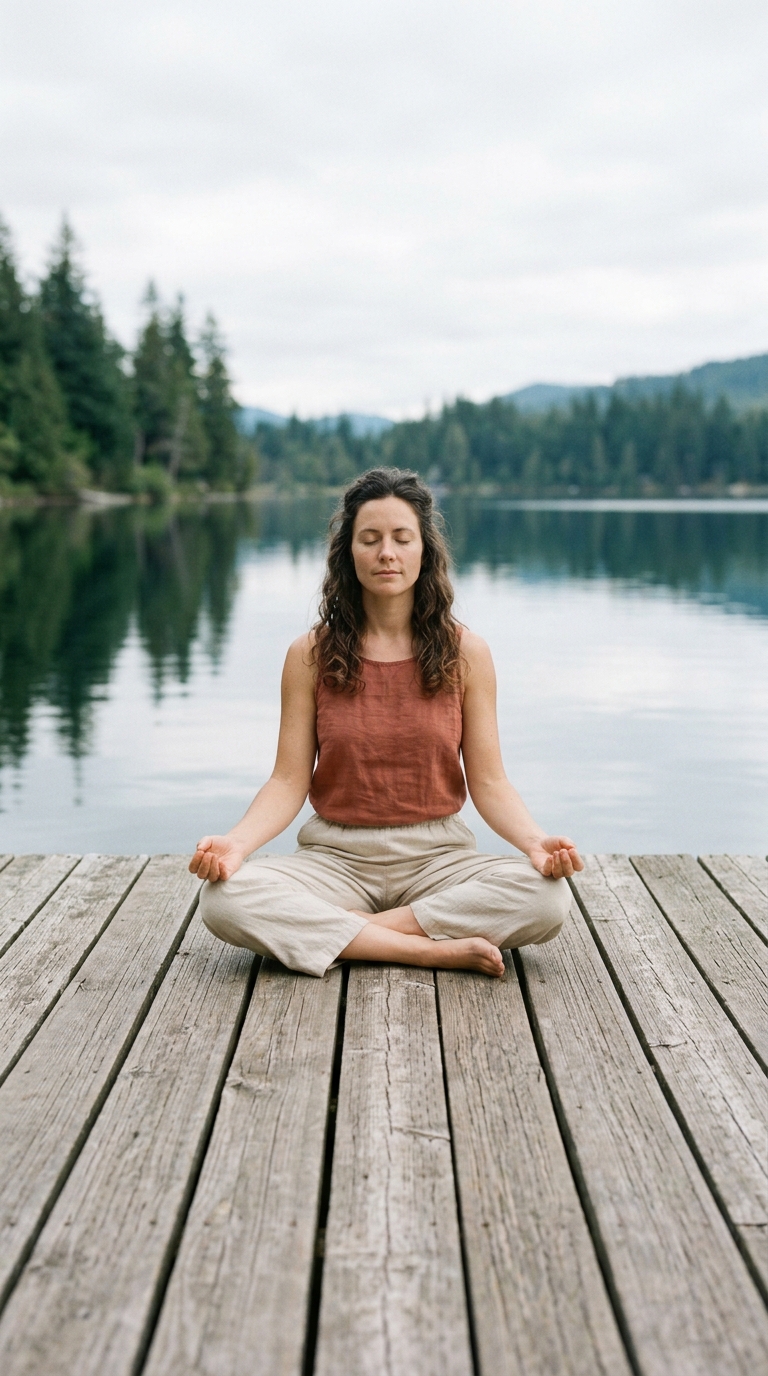
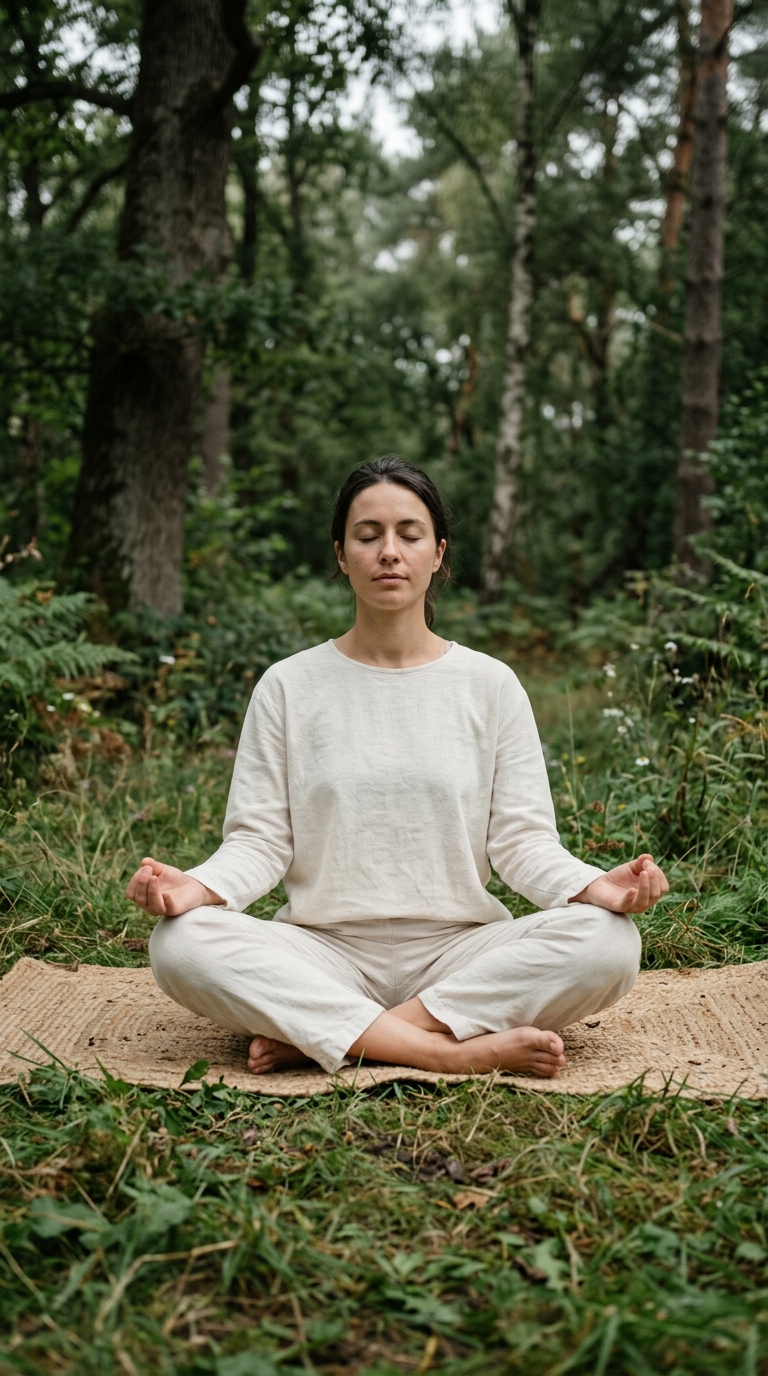
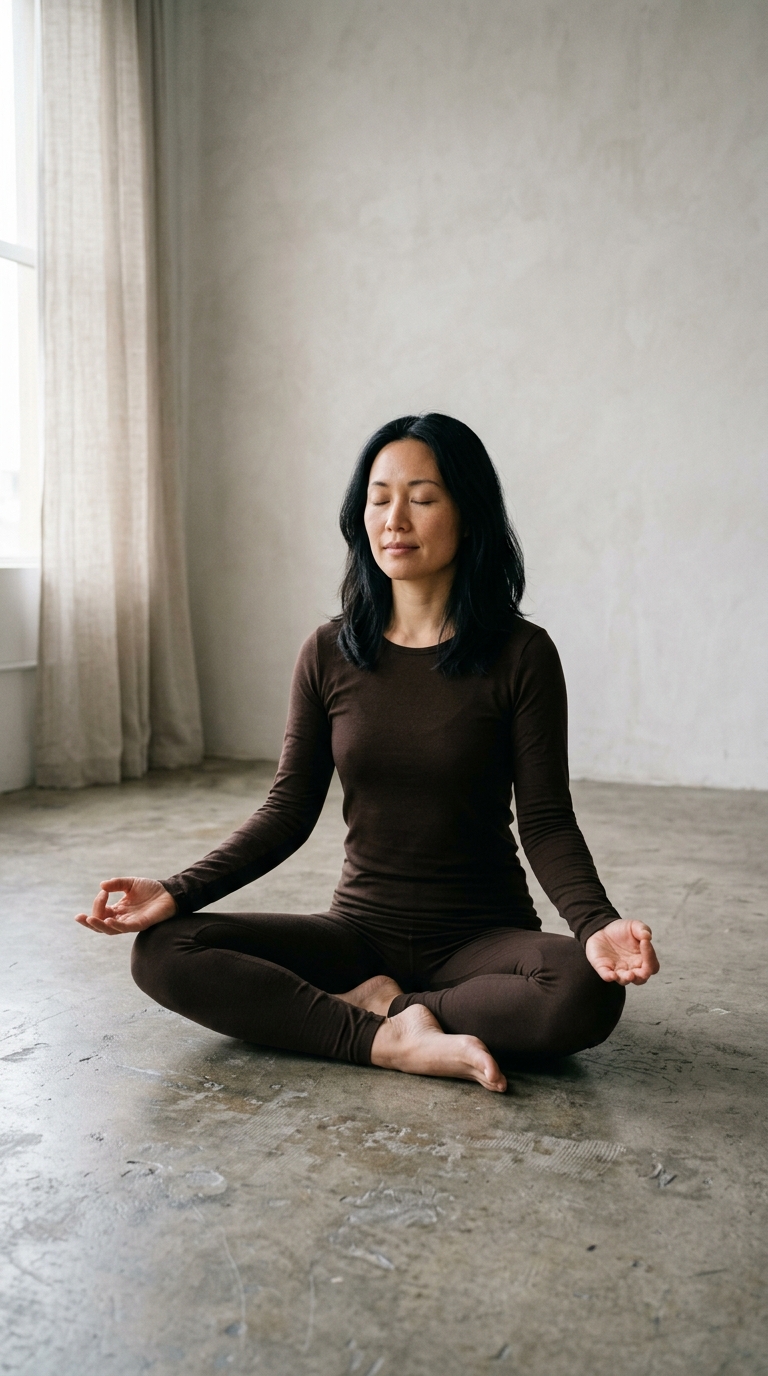
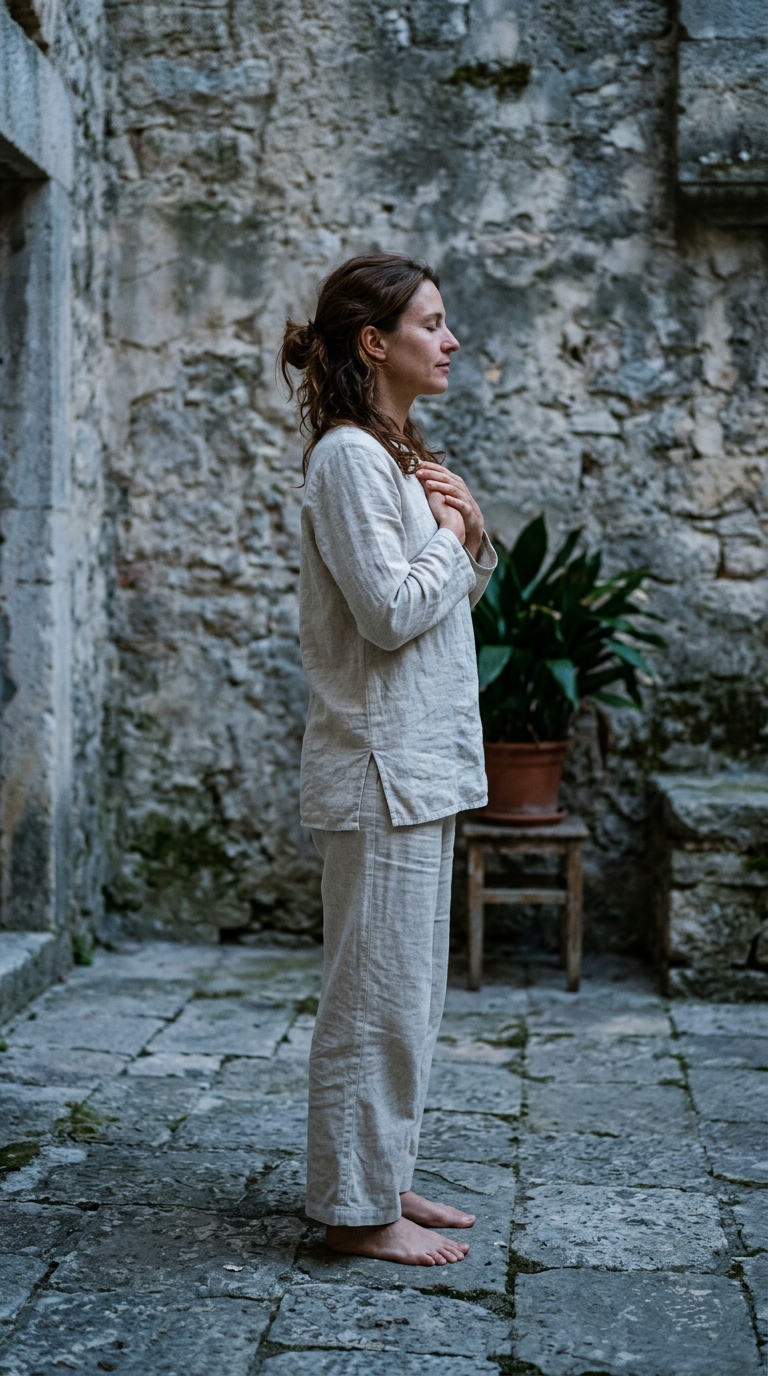
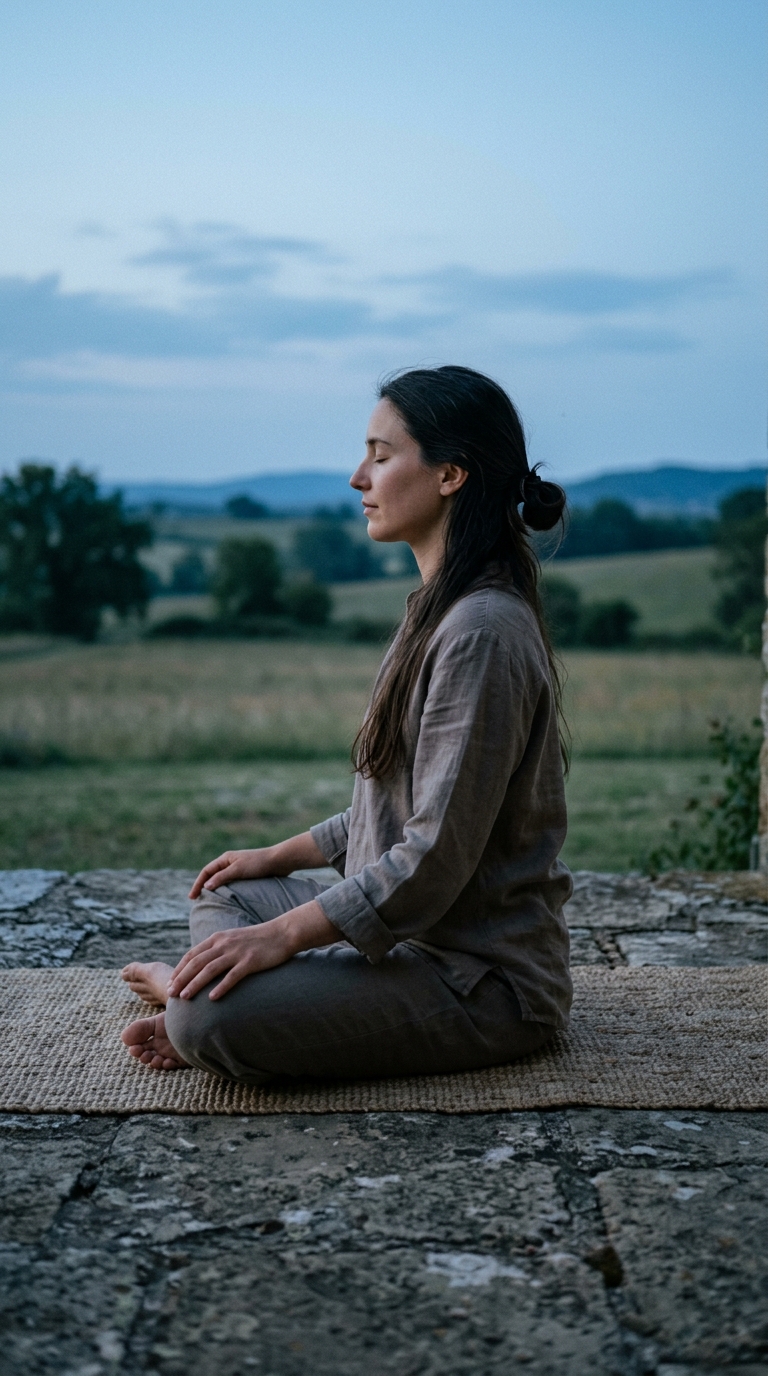
In modern yoga and meditation classes, a small number of hand gestures are common. A frequent one, often called jnana or chin mudra, joins the tips of the thumb and index finger with the other fingers relaxed. Hands may also rest in the lap, one on the other, or be pressed together at the chest. Teachers use these to give the hands a settled place and, in some traditions, as symbolic expressions of intention.
Mudras in the hatha yoga texts
The Hatha Yoga Pradipika lists ten mudras at the start of its third chapter (3.6–3.7): Maha Mudra, Maha Bandha, Maha Vedha, Khechari, Uddiyana Bandha, Mula Bandha, Jalandhara Bandha, Viparita Karani, Vajroli and Shakti Chalana. None of these is a hand gesture. They combine postures, breath retention and internal contractions of the pelvic floor, abdomen and throat; Jalandhara, for example, is described as contracting the throat and pressing the chin firmly against the chest.
In the text these are advanced practices, closely tied to its goals of awakening kundalini, and several are meant to be learned only from a teacher. Khechari is an extreme example: the text describes gradually cutting the tissue under the tongue so that it can be turned back into the throat. The chapter also says the mudras should be kept secret and taught from guru to guru. They are a world away from resting the hands in a gesture during meditation.
Two meanings side by side
The shared word hides two very different kinds of practice.
- Hand mudras: gestures of the hands and fingers; easy to adopt; mainly symbolic or for comfort and steadiness; found in dance, art, ritual and modern meditation.
- Hatha mudras: whole-body techniques with breath retention and internal contractions; demanding; described in texts such as the Hatha Yoga Pradipika; traditionally taught person to person.
- Bandhas: several of the hatha mudras are also called bandhas (locks). Modern classes sometimes teach simplified versions, especially of mula and uddiyana bandha.
Reading health claims about mudras
Online lists often attribute specific health effects to individual hand gestures: one for digestion, another for blood pressure, another for immunity. These claims usually draw on ideas about the fingers representing elements or energy channels. They belong to a traditional or esoteric framework, and they have not been shown in good-quality clinical research. Holding a hand gesture is not a treatment for any condition and should not replace medical care.
That does not make hand mudras pointless. Giving the hands a settled, deliberate position can help you sit still, and a gesture with personal or traditional meaning can mark the start of practice. Those are reasonable reasons to use one, without needing a health claim attached.
Practical use in your own practice
A few simple points keep hand gestures comfortable and in proportion.
- Choose a hand position that lets the shoulders relax. If a gesture makes the arms or wrists strain, rest the hands in the lap instead.
- Change position if your fingers tingle or go numb during a long sit.
- If a teacher uses a gesture with a specific meaning, ask what it signifies in their tradition rather than assuming.
- Leave the hatha mudras and bandhas, especially those involving breath retention, for learning with a qualified teacher.
Sources & Classical References
- Hatha Yoga Pradipika, translated by Pancham Sinh (1914), chapter 3 — Public-domain translation of the list and descriptions of the ten mudras.
- The Natyashastra, translated by Manomohan Ghosh (1951), chapter 9, via Wisdom Library — Classical description of single-hand and combined-hand gestures in drama and dance.
- Wikipedia: Mudra — Overview of mudras across Hindu, Buddhist and Jain traditions, art, dance and hatha yoga.