Ingredients & Ayurvedic Properties
| Ingredient | Weight | Ayurvedic Profile |
|---|---|---|
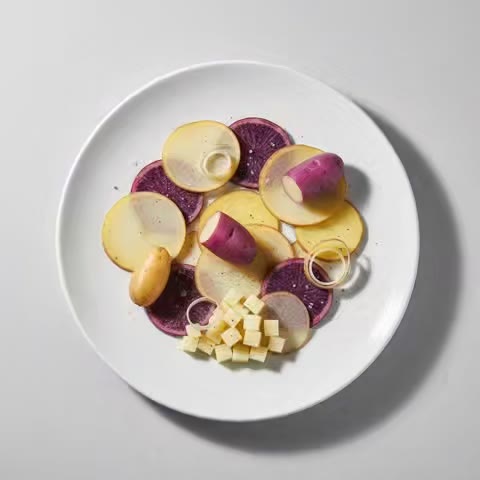 Potatoes, peeled and cut into wedges | 450 g | Sweet, Astringent · Cooling |
 Onions, thinly sliced | 260 g | Sweet, Pungent · Heating |
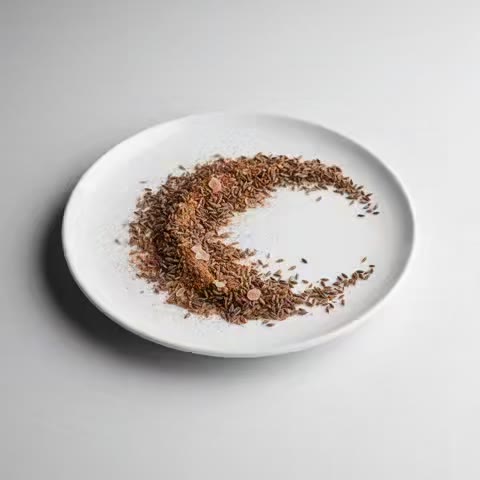 Cumin seeds, whole | 4 g | Pungent, Bitter · Heating |
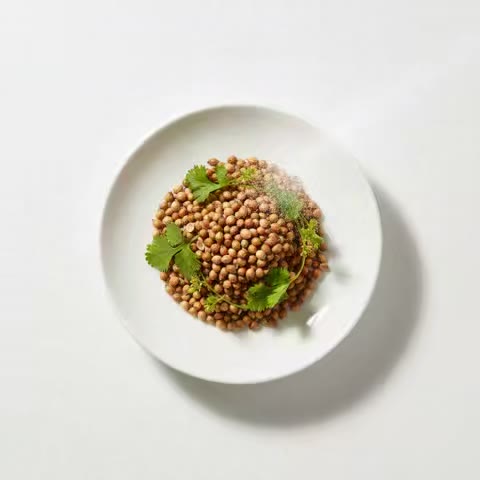 Coriander seeds, ground | 6 g | Astringent, Bitter, Sweet · Cooling |
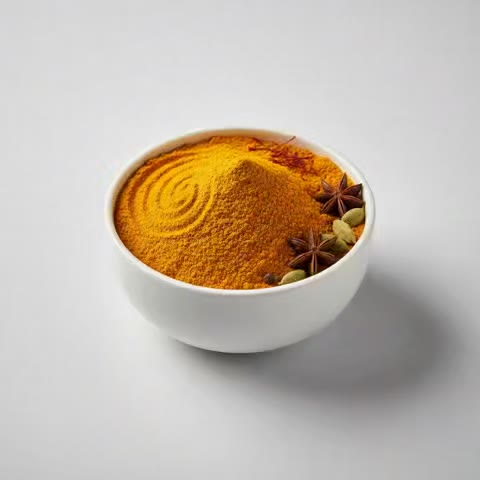 Turmeric, ground | 2 g | Bitter, Pungent, Astringent · Heating |
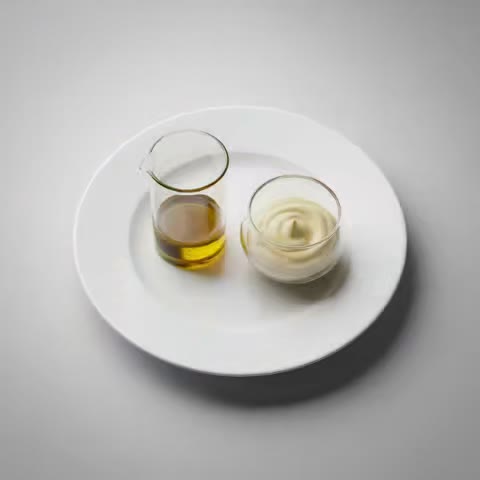 Mustard oil, for the pan | 22 g | Pungent, Bitter · Heating |
 Amchur powder, finely sifted | 4 g | Sour, Astringent · Cooling |
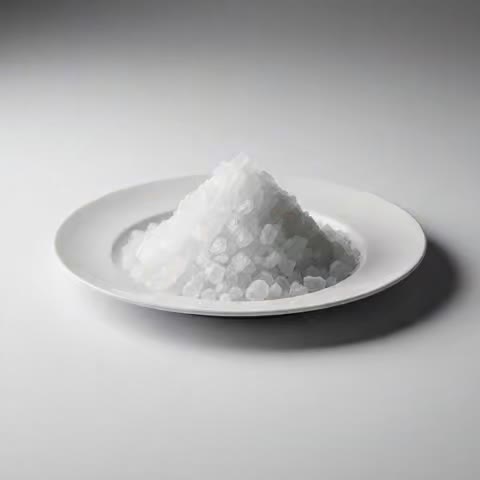 Rock salt, finely ground | 4 g | Salty · Cooling |
| Water, freshly boiled | 160 g | Whole culinary ingredient |
Step-by-Step Preparation
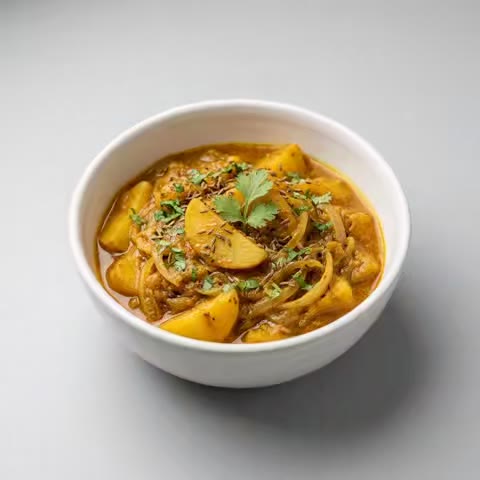
- Bring 160 ml (about 3/4 cup) water to a boil in a separate kettle and hold it hot, covered, so Rajasthani Potato Onion Saag never loses its simmer.
- Heat the mustard oil until shimmering, lower the heat, and soften the sliced onions with cumin. Continue over medium-low heat for 7–9 minutes, stopping when a thin knife slides through the largest piece without resistance.
- Add the potato wedges, turmeric, and coriander, turning them until the spice mixture coats every surface. Keep the pan over gentle medium heat for 1–2 minutes after the final addition, folding from the bottom so the main pieces remain intact.
- Splash in hot water, cover until the potatoes yield. Keep the pot covered over low heat for 9–11 minutes; check once at the midpoint and continue until a thin knife slides through the largest piece without resistance.
- Uncover and finish with amchur and salt. Leave the pan off the flame for 3 minutes, then taste and correct the final balance before serving at the stated temperature.
- For Rajasthani Potato Onion Saag, inspect the main component at minute 17; rotate the pot and add 30–60 ml hot water only if the base is tightening before it is tender.
- Rest Rajasthani Potato Onion Saag for 5 minutes covered off the burner; stir once gently, check the final consistency, and serve warm without prolonged holding.
Dosha Modifications & Seasonal Guidance
Vaidya Culinary Note (original lacto-vegetarian recipe developed for the R3 regional and practical cooking collection)
Onion and mustard oil give this dry Rajasthani potato dish a warming edge Vata: serve it warm and add a little ghee if the meal feels dry. Pitta: use ghee instead of mustard oil and reduce the amchur. Kapha: keep the potato portion modest and cook with minimal oil.
USDA Nutrition Facts for Rajasthani Potato Onion Saag
| Nutrient | Per 100g | Per Serving (1 serving (228g)) |
|---|---|---|
| Energy (Calories) | 76 kcal | 174 kcal |
| Protein | 1.5 g | 3.5 g |
| Total Carbohydrates | 12.4 g | 28.2 g |
| Dietary Fiber | 1.9 g | 4.4 g |
| Total Sugars | 1.6 g | 3.7 g |
| Total Fat | 2.7 g | 6.2 g |
| Calcium | 22.3 mg | 50.9 mg |
| Iron | 0.99 mg | 2.26 mg |
| Magnesium | 18.6 mg | 42.4 mg |
| Phosphorus | 41.9 mg | 95.6 mg |
| Potassium | 272 mg | 620 mg |
| Sodium | 176 mg | 401 mg |
| Zinc | 0.26 mg | 0.59 mg |
| Copper | 0.08 mg | 0.18 mg |
| Manganese | 0.18 mg | 0.42 mg |
| Selenium | 0.5 µg | 1.3 µg |
| Vitamin C | 12.0 mg | 27.4 mg |
| Vitamin A (RAE) | 0.4 µg | 0.9 µg |
| Vitamin E | 0.09 mg | 0.21 mg |
| Vitamin K | 1.4 µg | 3.2 µg |
| Thiamin (Vitamin B1) | 0.06 mg | 0.13 mg |
| Riboflavin (Vitamin B2) | 0.03 mg | 0.06 mg |
| Niacin (Vitamin B3) | 0.59 mg | 1.35 mg |
| Vitamin B6 | 0.18 mg | 0.42 mg |
| Folate (DFE) | 12.9 µg | 29.4 µg |
| Choline | 7.9 mg | 18.1 mg |