Ayurvedic Classical · Lunch · 48 Minutes Total

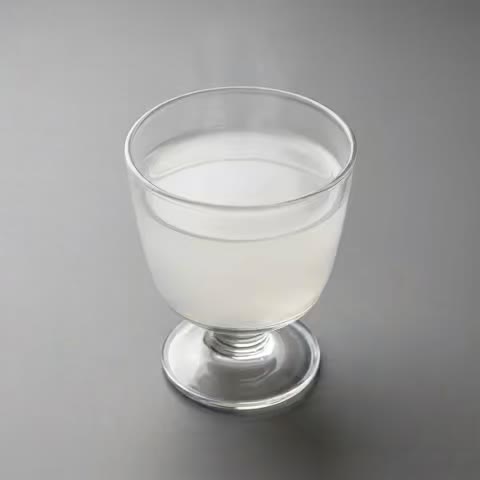
Manda (Thin Rice Water)

Manda is the strained, thinnest rice preparation in the classical gruel sequence. Vata: serve warm and optionally add a trace of ghee. Pitta: keep it plain and lightly salted. Kapha: take a small serving with dry ginger only if desired.

Add Manda (Thin Rice Water) to Your Ayurvedic Meal Plan on iPhone & iPad Automatically scale servings, generate shopping lists, and track Vata/Pitta/Kapha balance + USDA macros.
Download on the App Store
Manda (Thin Rice Water) — Traditional Ayurvedic Classical Recipe

Manda (Thin Rice Water) — 48 minutes (10m prep, 38m cook) · 4 servings · 19 kcal/100g (USDA).

Vāta: Pacifies (-1) Pitta: Pacifies (-1) Kapha: Pacifies (-1)
Prep Time
10 mins
Cook Time
38 mins
Servings
4 (475g / serving)
Calories (per 100g)
19 kcal
Best Seasons
Vasanta, Grishma, Varsha, Sharad, Hemanta, Shishira
Allergens
None listed

Ingredients & Ayurvedic Properties

IngredientWeightAyurvedic Profile
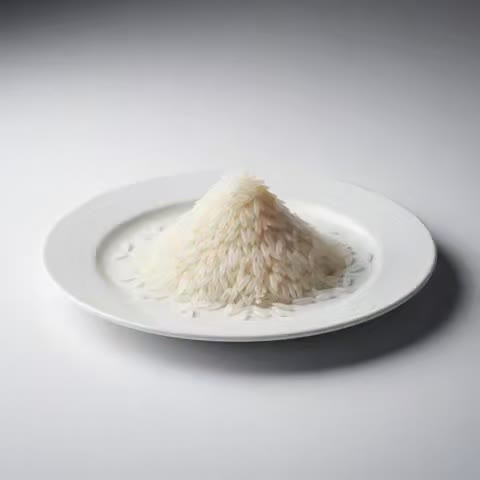
White riceWhite rice100 gSweet · Cooling
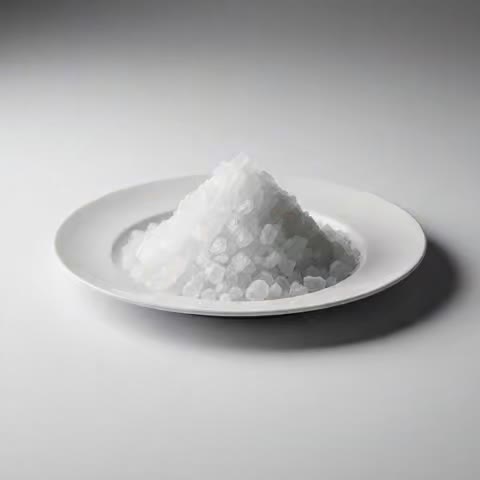
Rock saltRock salt3 gSalty · Cooling
Water1800 gWhole culinary ingredient

Step-by-Step Preparation

  1. Rinse the rice thoroughly and place it in a deep pot with the measured water.
  2. Bring to a boil, then cook at a gentle simmer until the grains are extremely soft and the liquid turns cloudy.
  3. Pour through a fine strainer without pressing hard; reserve the thin, starchy liquid and discard or repurpose the grains.
  4. Season the strained liquid lightly with rock salt and serve it warm in small bowls.

Dosha Modifications & Seasonal Guidance

Vaidya Culinary Note (classical manda preparation tradition)

Manda is the strained, thinnest rice preparation in the classical gruel sequence. Vata: serve warm and optionally add a trace of ghee. Pitta: keep it plain and lightly salted. Kapha: take a small serving with dry ginger only if desired.

USDA Nutrition Facts for Manda (Thin Rice Water)

NutrientPer 100gPer Serving (1 serving (475g))
Energy (Calories)19 kcal91 kcal
Protein0.4 g1.8 g
Total Carbohydrates4.2 g20.0 g
Dietary Fiber0.07 g0.3 g
Total Sugars0.01 g0.03 g
Total Fat0.03 g0.2 g
Calcium4.3 mg20.7 mg
Iron0.23 mg1.08 mg
Magnesium2.3 mg10.8 mg
Phosphorus6.0 mg28.8 mg
Potassium6 mg29 mg
Sodium65 mg310 mg
Zinc0.07 mg0.32 mg
Copper0.02 mg0.10 mg
Manganese0.06 mg0.27 mg
Selenium0.8 µg3.8 µg
Vitamin E0.01 mg0.03 mg
Vitamin K0.01 µg0.02 µg
Thiamin (Vitamin B1)0.03 mg0.14 mg
Riboflavin (Vitamin B2)0.00 mg0.01 mg
Niacin (Vitamin B3)0.22 mg1.05 mg
Vitamin B60.01 mg0.04 mg
Folate (DFE)20.3 µg96.7 µg
Choline0.3 mg1.4 mg

iOS App for iPhone & iPad

Practice with 908 illustrated postures, custom prāṇāyāma timers & dosha meal plans

Combine classical Vata, Pitta, and Kapha balance, Six Tastes (Shad Rasa), and seasonal Ritucharya routines with verified USDA calorie, macronutrient, vitamin, and mineral tracking.

Related Ayurvedic Classical Recipes

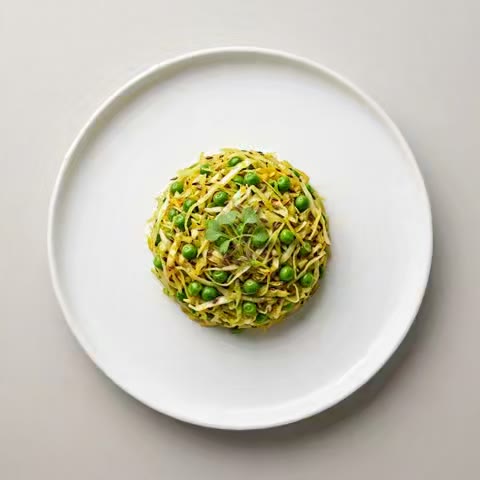
Cabbage and Peas SabziLunch · 39 min

Cabbage and Peas Sabzi

Cabbage and Peas Sabzi is a softly cooked, moderately seasoned vegetable dish. Vata: cook it fully and add a touch more

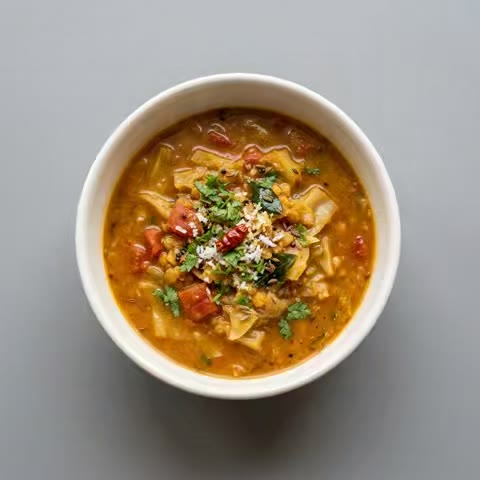
Cabbage SambarLunch · 60 min

Cabbage Sambar

Cabbage Sambar combines soft toor dal, vegetables, tamarind, and a freshly toasted spice blend. Vata: serve with soft ri

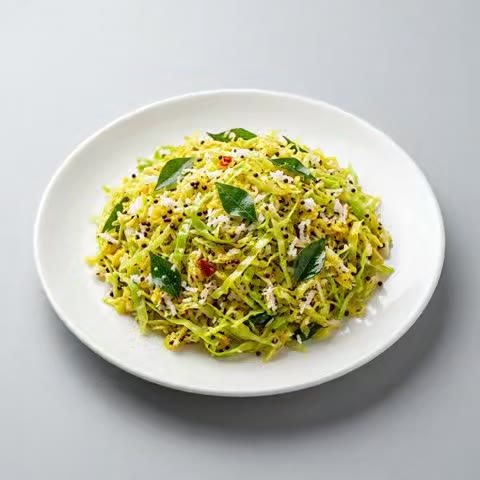
Cabbage ThoranLunch · 34 min

Cabbage Thoran

Cabbage Thoran follows the gently steamed vegetable-and-coconut style of southern India. Vata: serve warm and increase c

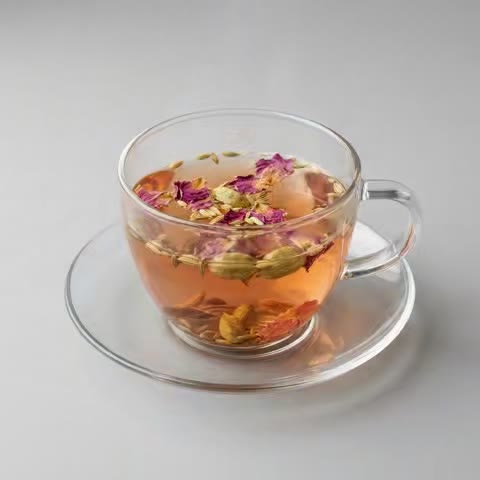
Cardamom-Rose TeaDrink · 14 min

Cardamom-Rose Tea

Cardamom-Rose Tea is a mild culinary infusion, not a medicinal dose. Vata: steep gently and serve warm. Pitta: reduce st

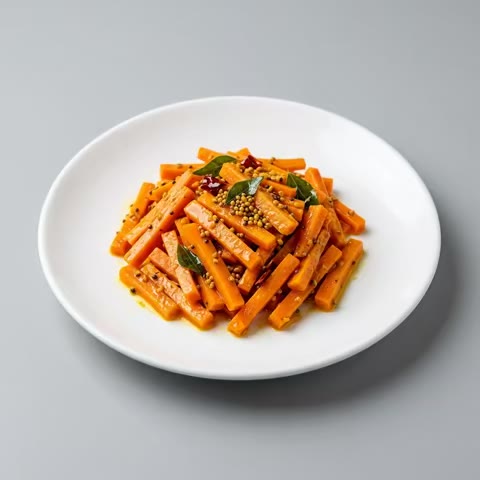
Fresh Carrot AcharSnack · 28 min

Fresh Carrot Achar

Fresh Carrot Achar is a salty, concentrated condiment intended in very small amounts. Vata: use sparingly alongside mois

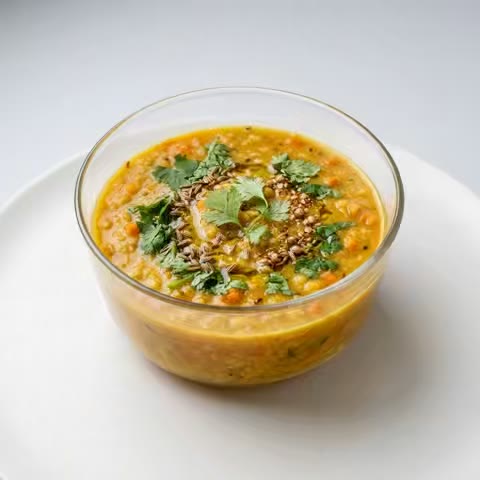
Carrot Coriander Mung YushaDinner · 48 min

Carrot Coriander Mung Yusha

Carrot Coriander Mung Yusha is prepared as a pourable pulse broth rather than a heavy stew. Vata: add a small spoon of g