Ayurvedic Dravya · Vegetable · — kcal / 100g

Wild brinjal (kantakari class) Brihati

Also known as: kantakari class, vankathri, thai pea eggplant kin

Kitchen relative of the dashamula pair (brihati-kantakari) — the bitter wild eggplants eaten as sabzi carry a whisper of their kapha-clearing, chest-opening medicine.

Check Wild brinjal (kantakari class) Against Your Prakriti & Daily Macros Log 704 Ayurvedic ingredients and 1,511 recipes with Six Tastes + verified USDA nutrition on iPhone & iPad.
Download on the App Store
Wild brinjal (kantakari class) — Ayurvedic Vegetable & USDA Nutrition

Wild brinjal (kantakari class) — Rasa: Bitter, Pungent · Virya: Heating · Vipaka: Pungent · — kcal per 100g (USDA).

Vāta: Pacifies (-1) Pitta: Mildly Increases (+1) Kapha: Strongly Pacifies (-2)
Rasa (Six Tastes)
Bitter, Pungent
Vīrya (Potency)
Heating
Vipāka (Post-Digestive)
Pungent
Guṇas (Qualities)
Light, Dry, Sharp
Digestibility & Agni
3/5 · Agni 1
Seasons & Timing
Varsha, Hemanta, Shishira · Midday

Classical Ayurvedic Profile & Preparation

Kitchen relative of the dashamula pair (brihati-kantakari) — the bitter wild eggplants eaten as sabzi carry a whisper of their kapha-clearing, chest-opening medicine.

Traditional Preparation (Samskara)

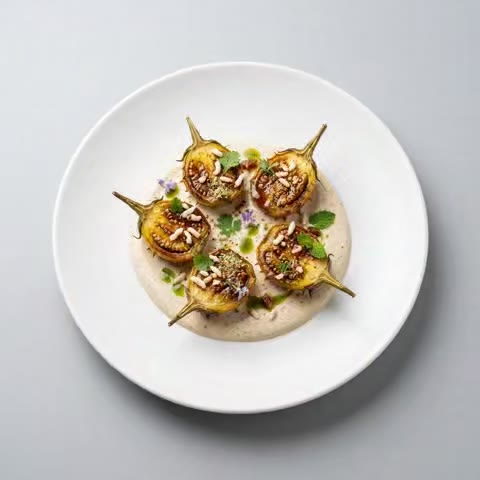
Small bitter wild brinjals cooked thoroughly — never raw — usually fried or curried with assertive spicing. Eat as an occasional bitter tonic vegetable, not a staple.

Classical Provenance: Charaka Samhita (brihati in dashamula); regional tribal foodways.

Synergistic Combinations (Samyoga)

  • fried crisp with mustard oil and garlic (tribal/regional style)
  • in bitter-forward mixed sabzis
  • with rice and ghee to buffer the bitterness

Contraindications & Viruddha Āhāra (Food Incompatibilities)

  • Contraindication: pitta excess
  • Contraindication: pregnancy (medicinal-class solanums, quantity caution)
  • Contraindication: acidity

Verified USDA Nutrition Facts for Wild brinjal (kantakari class)

Complete macronutrient, vitamin, and mineral profile per 100 grams and per 1 cup chopped (100g):

iOS App for iPhone & iPad

Practice with 908 illustrated postures, custom prāṇāyāma timers & dosha meal plans

Combine classical Vata, Pitta, and Kapha balance, Six Tastes (Shad Rasa), and seasonal Ritucharya routines with verified USDA calorie, macronutrient, vitamin, and mineral tracking.

Related Vegetable Ingredients

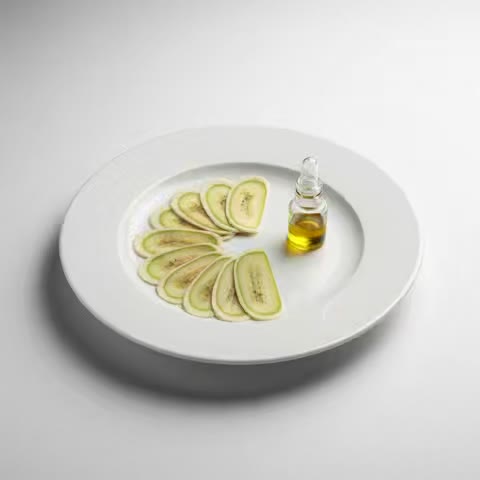
Raw banana (plantain)Vegetable · Cooling

Raw banana (plantain)

The astringent unripe kadali — binds loose stools and grounds pitta where the ripe fruit would increase kapha.

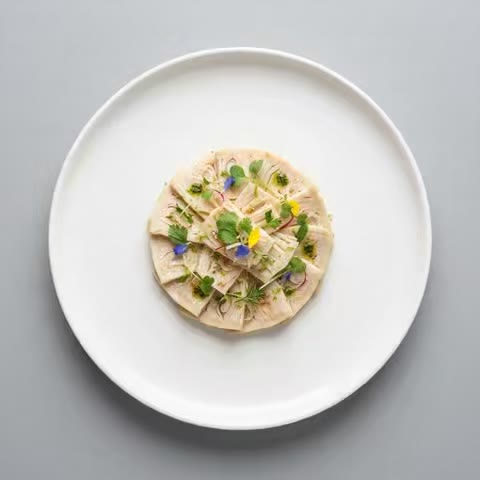
Raw jackfruit (kathal)Vegetable · Cooling

Raw jackfruit (kathal)

The fibrous unripe panasa — a meat-like vegetable that satisfies deeply but demands strong agni.

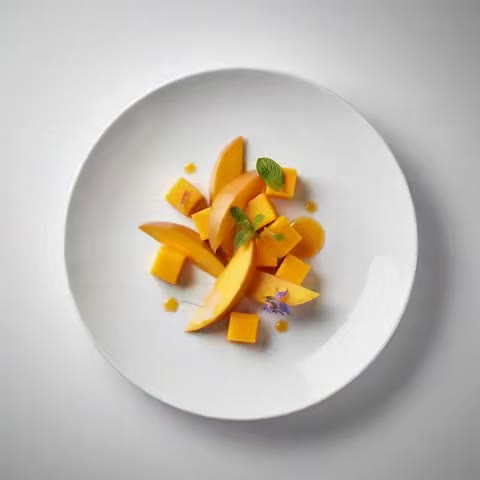
Raw mango (sabzi/dal use)Vegetable · Heating

Raw mango (sabzi/dal use)

The classical unripe amra — intensely sour, appetite-rousing; cooked into dals and panna it becomes summer's tart shield

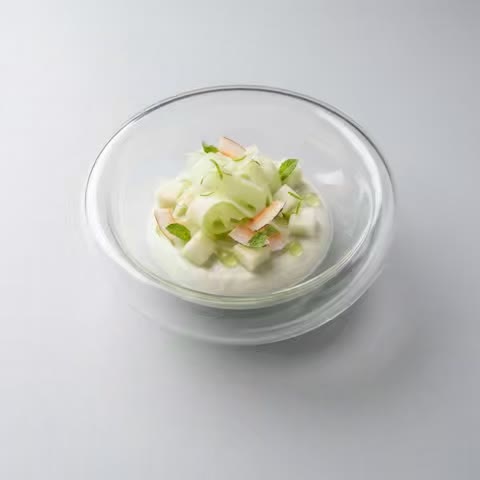
Raw papayaVegetable · Heating

Raw papaya

Rich in papain — a potent digestive that breaks down proteins, and a strong uterine stimulant: classical and modern sour

Red onionVegetable · Heating

Red onion

Balya and vrishya — strengthening and grounding, yet rajasic: traditionally excluded from sattvic and monastic kitchens.