Ingredients & Ayurvedic Properties
| Ingredient | Weight | Ayurvedic Profile |
|---|---|---|
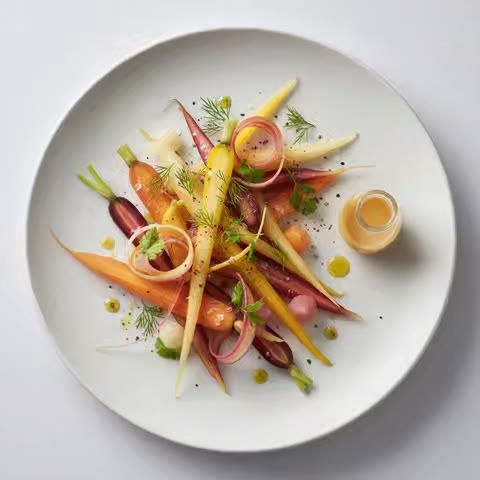 Carrots, peeled and cut into small cubes | 430 g | Sweet, Bitter · Heating |
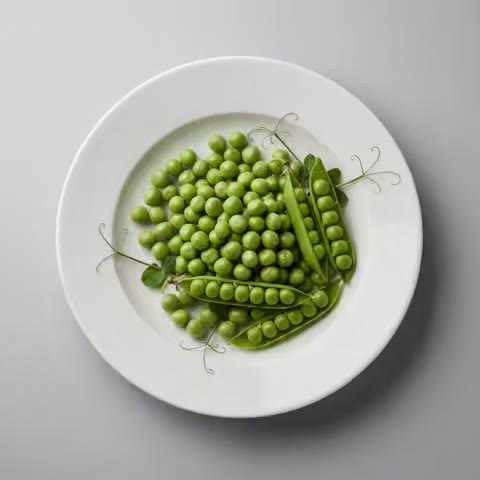 Green peas, thawed | 150 g | Sweet, Astringent · Cooling |
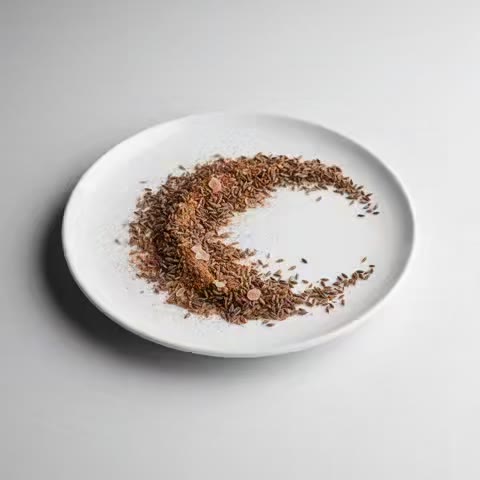 Cumin seeds, whole | 4 g | Pungent, Bitter · Heating |
 Fennel seeds, lightly crushed | 4 g | Sweet, Pungent, Bitter · Cooling |
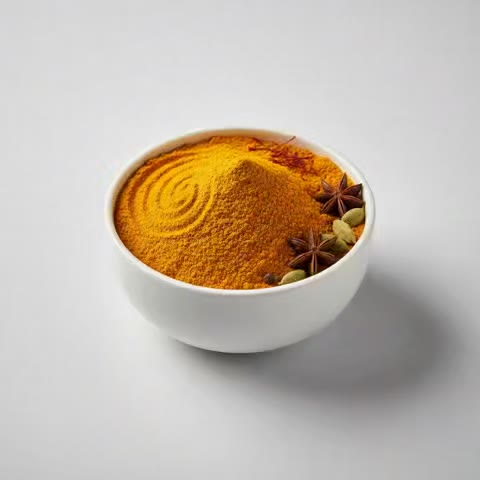 Turmeric, ground | 2 g | Bitter, Pungent, Astringent · Heating |
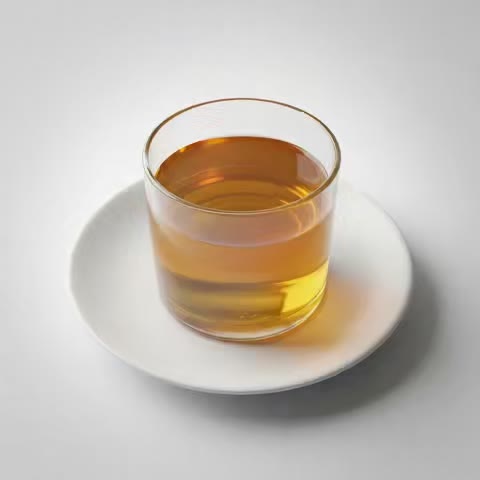 Ghee, for the pan | 18 g | Sweet · Cooling |
 Amchur powder, finely sifted | 3 g | Sour, Astringent · Cooling |
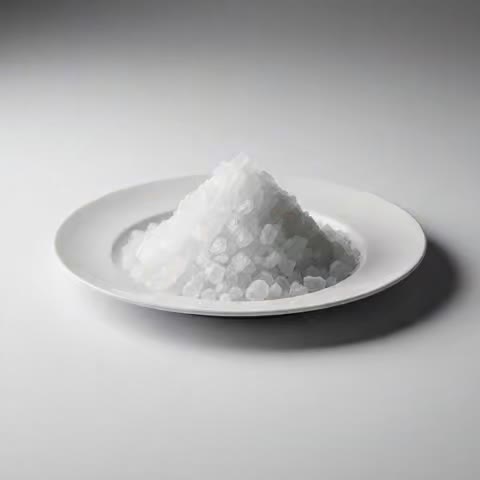 Rock salt, finely ground | 4 g | Salty · Cooling |
| Water, freshly boiled | 120 g | Whole culinary ingredient |
Step-by-Step Preparation
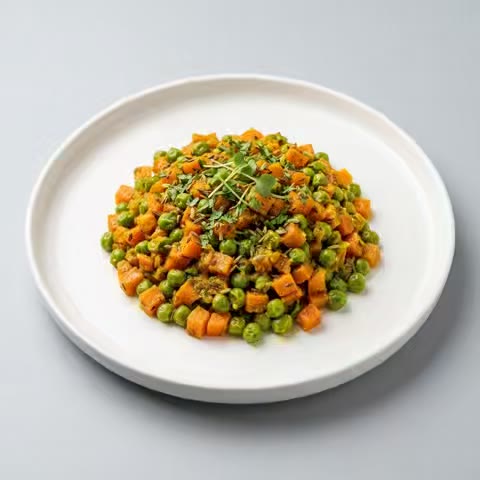
- Prepare 120 ml (about 1/2 cup) hot water before starting Rajasthani Carrot Pea Sabzi; keep one small ladle in reserve in case the base tightens early.
- Bloom cumin and crushed fennel in ghee. Give the spices about 30 seconds before adding the larger pieces, then continue over low heat for 3–4 minutes, moving the pan often, until the raw aroma is gone.
- Tumble in the carrot cubes with turmeric. Keep this stage to 7–9 minutes over steady low heat and stop when a thin knife slides through the largest piece without resistance.
- Add a little hot water, cover until the carrots begin to soften. Keep the pot covered over moderate heat for 11–13 minutes; check once at the midpoint and continue until a thin knife slides through the largest piece without resistance.
- Stir in the peas for the last few minutes. Continue over medium-low heat for 3–4 minutes, stopping when the late addition is tender but still bright and distinct.
- Remove the lid, let the pan dry. Use medium heat for 5–7 minutes, stirring every minute, until visible steam subsides and a spoon drawn over the base leaves it dry.
- Finish the sabzi with amchur and salt. Leave the pan off the flame for 5 minutes, then taste and correct the final balance before serving at the stated temperature.
- Rest Rajasthani Carrot Pea Sabzi for 3 minutes uncovered off the burner; turn the pieces once, check that no steam is softening the surface, and serve warm.
Dosha Modifications & Seasonal Guidance
Vaidya Culinary Note (original lacto-vegetarian recipe developed for the R3 regional and practical cooking collection)
Sweet carrots and peas respond well to the dry warmth of cumin and fennel Vata: serve it warm and add a little ghee if the meal feels dry. Pitta: keep the sharp spices modest and favor coriander or fennel. Kapha: use a smaller portion and sharpen the seasoning with ginger or black pepper.
USDA Nutrition Facts for Rajasthani Carrot Pea Sabzi
| Nutrient | Per 100g | Per Serving (1 serving (183g)) |
|---|---|---|
| Energy (Calories) | 68 kcal | 125 kcal |
| Protein | 1.9 g | 3.4 g |
| Total Carbohydrates | 9.6 g | 17.6 g |
| Dietary Fiber | 3.2 g | 5.9 g |
| Total Sugars | 4.0 g | 7.3 g |
| Total Fat | 2.9 g | 5.3 g |
| Calcium | 37.2 mg | 68.4 mg |
| Iron | 1.10 mg | 2.02 mg |
| Magnesium | 18.6 mg | 34.1 mg |
| Phosphorus | 48.8 mg | 89.6 mg |
| Potassium | 262 mg | 481 mg |
| Sodium | 254 mg | 468 mg |
| Zinc | 0.45 mg | 0.83 mg |
| Copper | 0.08 mg | 0.14 mg |
| Manganese | 0.27 mg | 0.51 mg |
| Selenium | 0.5 µg | 0.9 µg |
| Vitamin C | 11.8 mg | 21.7 mg |
| Vitamin A (RAE) | 517.3 µg | 950.6 µg |
| Vitamin E | 0.77 mg | 1.41 mg |
| Vitamin K | 13.3 µg | 24.4 µg |
| Thiamin (Vitamin B1) | 0.10 mg | 0.18 mg |
| Riboflavin (Vitamin B2) | 0.07 mg | 0.12 mg |
| Niacin (Vitamin B3) | 1.06 mg | 1.95 mg |
| Vitamin B6 | 0.12 mg | 0.22 mg |
| Folate (DFE) | 24.5 µg | 45.0 µg |
| Choline | 11.8 mg | 21.6 mg |