Ingredients & Ayurvedic Properties
| Ingredient | Weight | Ayurvedic Profile |
|---|---|---|
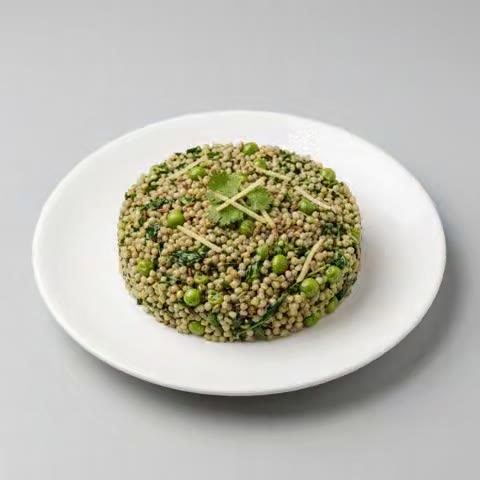
 Pearl millet, soaked and drained | 230 g | Sweet · Heating |
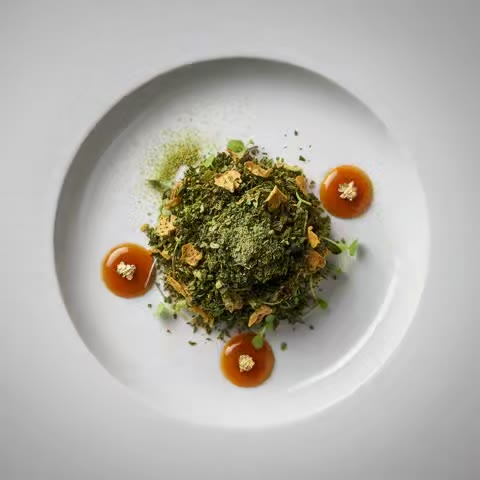 Fenugreek leaves, washed and chopped | 160 g | Bitter, Pungent · Heating |
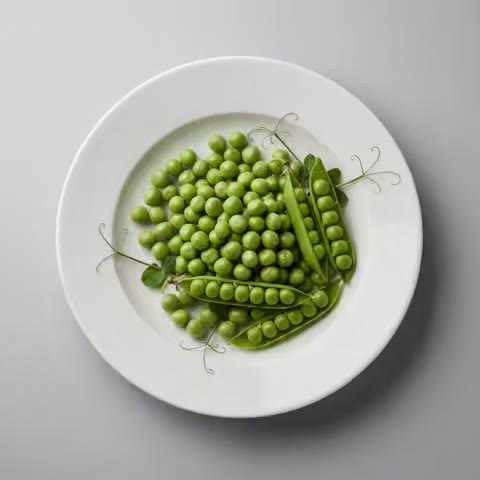 Green peas, thawed | 100 g | Sweet, Astringent · Cooling |
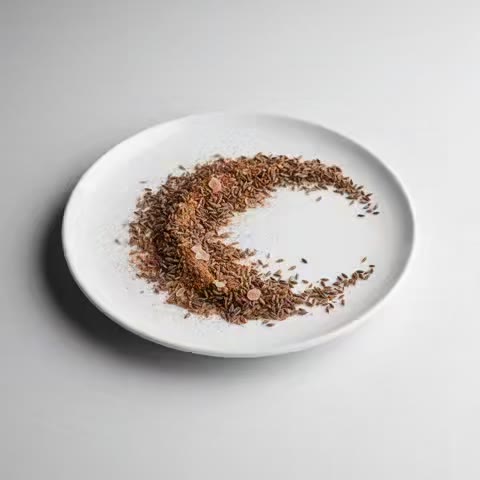 Cumin seeds, whole | 4 g | Pungent, Bitter · Heating |
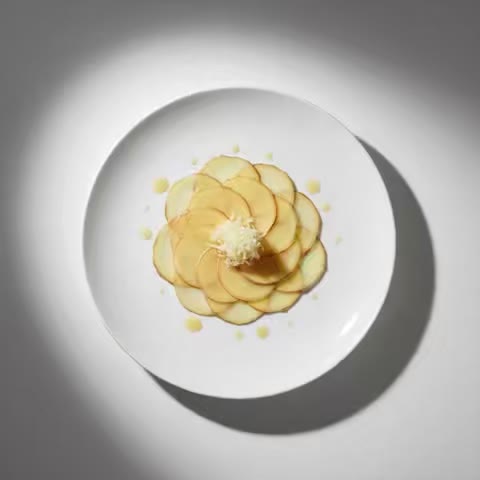 Fresh ginger, cut into thin slivers | 8 g | Pungent · Heating |
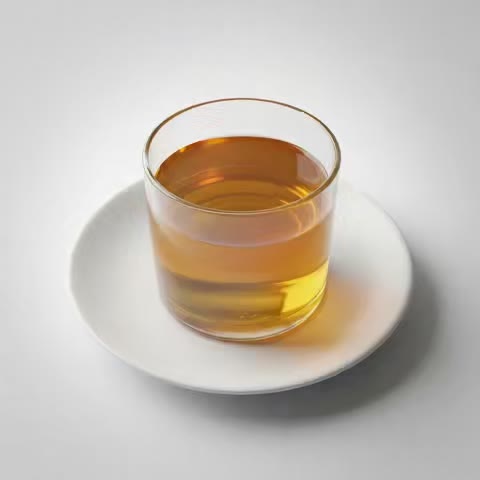 Ghee, for the pot | 22 g | Sweet · Cooling |
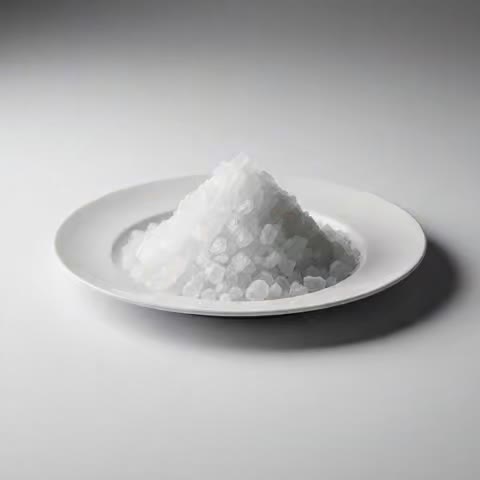 Rock salt, finely ground | 4 g | Salty · Cooling |
| Water, freshly boiled | 760 g | Whole culinary ingredient |
Step-by-Step Preparation
- Prepare 760 ml (about 3 1/4 cups) hot water before starting Rajasthani Bajra Methi Pilaf; keep one small ladle in reserve in case the base tightens early.
- Cover the pearl millet with at least three times its volume of cool water and soak for 40 minutes; drain for 2 minutes before the first heated step.
- Sauté the chopped fenugreek and ginger slivers in ghee until the leaves darken slightly. Take 8–10 minutes over low heat, using the stated texture and aroma as the final guide.
- Stir in the soaked millet and peas, coating the grains with the green mixture and toasted cumin. Keep the pan over steady low heat for 1–2 minutes after the final addition, folding from the bottom so the main pieces remain intact.
- Add hot water, cover. Bring the pot to a brisk simmer over medium-high heat for 3–5 minutes, then cover as bubbles reach the center and continue with the timed cook below.
- Cook until the millet is tender. Maintain medium-low heat for 17–19 minutes, stirring every 5 minutes, until a grain pressed between two fingers has no chalky center.
- Rest the pilaf before loosening it with a fork. Leave the pan off the flame for 6 minutes, then taste and correct the final balance before serving at the stated temperature.
- Rest Rajasthani Bajra Methi Pilaf for 5 minutes covered off the burner; fluff the grains once, check the final consistency, and serve warm without prolonged holding.
Dosha Modifications & Seasonal Guidance
Vaidya Culinary Note (original lacto-vegetarian recipe developed for the R3 regional and practical cooking collection)
Fenugreek brings balance to the warming density of pearl millet in this pilaf Vata: serve it warm and add a little ghee if the meal feels dry. Pitta: keep the sharp spices modest and favor coriander or fennel. Kapha: use a smaller portion and sharpen the seasoning with ginger or black pepper.
USDA Nutrition Facts for Rajasthani Bajra Methi Pilaf
| Nutrient | Per 100g | Per Serving (1 serving (322g)) |
|---|---|---|
| Energy (Calories) | 125 kcal | 403 kcal |
| Protein | 5.3 g | 17.0 g |
| Total Carbohydrates | 17.9 g | 57.5 g |
| Dietary Fiber | 5.6 g | 18.1 g |
| Total Sugars | 1.3 g | 4.3 g |
| Total Fat | 3.6 g | 11.5 g |
| Calcium | 199.3 mg | 641.8 mg |
| Iron | 5.63 mg | 18.14 mg |
| Magnesium | 73.9 mg | 238.0 mg |
| Phosphorus | 130.1 mg | 419.0 mg |
| Potassium | 274 mg | 881 mg |
| Sodium | 136 mg | 439 mg |
| Zinc | 0.96 mg | 3.09 mg |
| Copper | 0.12 mg | 0.39 mg |
| Manganese | 0.24 mg | 0.78 mg |
| Selenium | 5.6 µg | 18.0 µg |
| Vitamin C | 3.5 mg | 11.4 mg |
| Vitamin A (RAE) | 78.8 µg | 253.8 µg |
| Vitamin E | 0.67 mg | 2.16 mg |
| Vitamin K | 98.3 µg | 316.6 µg |
| Thiamin (Vitamin B1) | 0.09 mg | 0.31 mg |
| Riboflavin (Vitamin B2) | 0.09 mg | 0.30 mg |
| Niacin (Vitamin B3) | 0.53 mg | 1.72 mg |
| Vitamin B6 | 0.10 mg | 0.34 mg |
| Folate (DFE) | 5.1 µg | 16.6 µg |
| Choline | 2.8 mg | 9.1 mg |