Ingredients & Ayurvedic Properties
| Ingredient | Weight | Ayurvedic Profile |
|---|---|---|
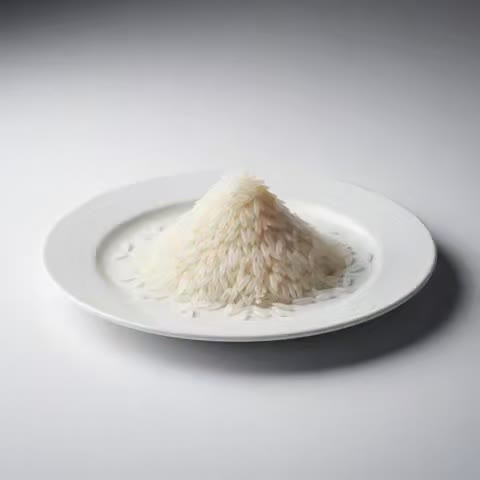 White rice, rinsed and drained | 220 g | Sweet · Cooling |
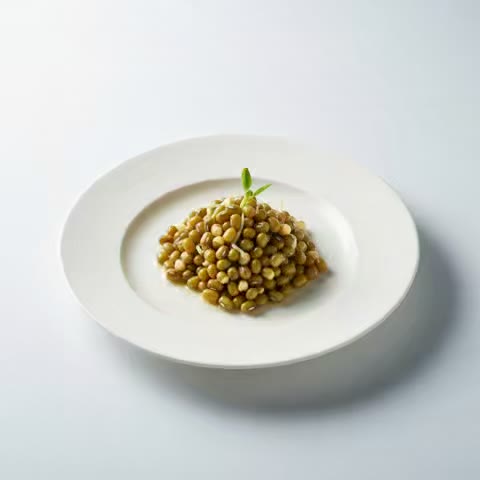 Mung beans, split and rinsed | 140 g | Sweet, Astringent · Cooling |
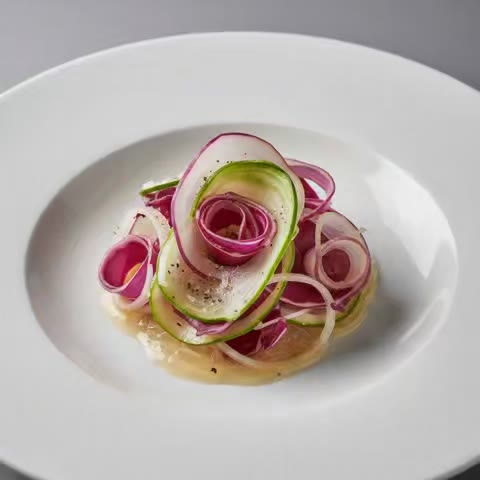 Cabbage, thinly shredded | 300 g | Sweet, Astringent · Cooling |
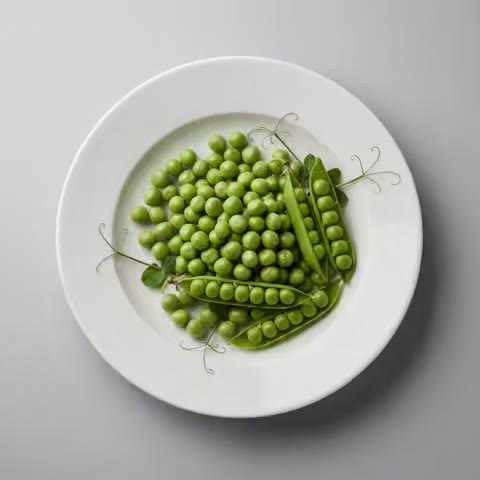 Green peas, thawed | 160 g | Sweet, Astringent · Cooling |
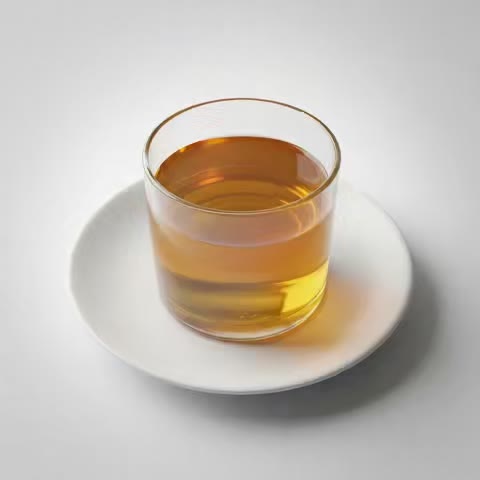 Ghee, for finishing | 18 g | Sweet · Cooling |
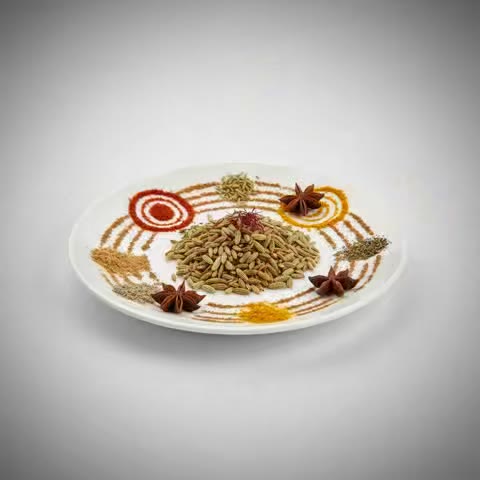 Fennel seeds, ground fresh | 4 g | Sweet, Pungent, Bitter · Cooling |
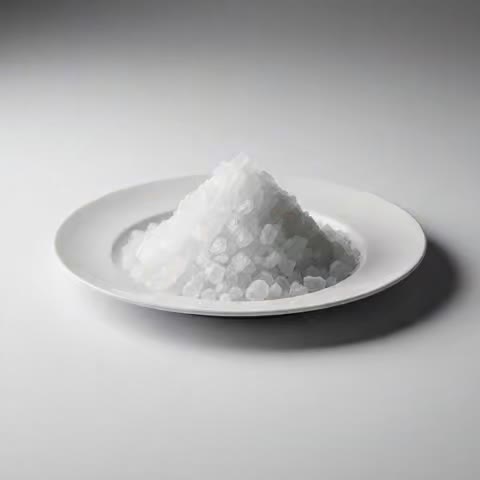 Rock salt, finely ground | 4 g | Salty · Cooling |
| Water, freshly boiled | 950 g | Whole culinary ingredient |
Step-by-Step Preparation
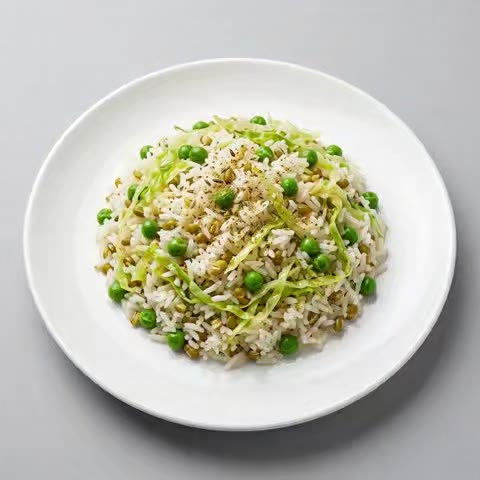
- Bring 950 ml (about 4 cups) water to a boil in a separate kettle and hold it hot, covered, so Pitta Cabbage Pea Rice Pot never loses its simmer.
- Cook the rice and split mung until partly tender, then spread the shredded cabbage over the surface. Maintain gentle medium heat for 9–11 minutes, stirring every 4 minutes, until a grain pressed between two fingers has no chalky center.
- Cover until the cabbage softens, add the peas and ground fennel, and steam for a few minutes more. Maintain a steady steam for 4–6 minutes and check until the vegetables are hot through and bend without tasting raw.
- For Pitta Cabbage Pea Rice Pot, inspect the main component at minute 17; rotate the pot and add 30–60 ml hot water only if the base is tightening before it is tender.
- Fold the layers together with ghee and salt, keeping the complete pot moist and mild. Keep the pan over steady low heat for 2–3 minutes after the final addition, folding from the bottom so the main pieces remain intact.
- Rest Pitta Cabbage Pea Rice Pot 6 minutes covered off the burner; check the final consistency and serve it warm without prolonged holding.
Dosha Modifications & Seasonal Guidance
Vaidya Culinary Note (original lacto-vegetarian recipe developed for the R3 regional and practical cooking collection)
Pitta Cabbage Pea Rice Pot is a mild complete meal designed to settle excess pitta Vata: serve warm rather than cool and add a little ghee if dryness appears. Pitta: keep chilies, strong sourness, and hard browning out of the preparation. Kapha: reduce the grain portion and add black pepper only if tolerated.
USDA Nutrition Facts for Pitta Cabbage Pea Rice Pot
| Nutrient | Per 100g | Per Serving (1 serving (449g)) |
|---|---|---|
| Energy (Calories) | 93 kcal | 416 kcal |
| Protein | 3.5 g | 15.6 g |
| Total Carbohydrates | 17.0 g | 76.5 g |
| Dietary Fiber | 2.4 g | 11.0 g |
| Total Sugars | 1.6 g | 7.0 g |
| Total Fat | 1.3 g | 5.6 g |
| Calcium | 27.0 mg | 121.1 mg |
| Iron | 1.30 mg | 5.86 mg |
| Magnesium | 24.1 mg | 108.3 mg |
| Phosphorus | 57.8 mg | 259.4 mg |
| Potassium | 165 mg | 742 mg |
| Sodium | 94 mg | 422 mg |
| Zinc | 0.50 mg | 2.23 mg |
| Copper | 0.13 mg | 0.57 mg |
| Manganese | 0.29 mg | 1.31 mg |
| Selenium | 2.7 µg | 12.1 µg |
| Vitamin C | 10.1 mg | 45.3 mg |
| Vitamin A (RAE) | 13.1 µg | 58.9 µg |
| Vitamin E | 0.21 mg | 0.95 mg |
| Vitamin K | 15.7 µg | 70.5 µg |
| Thiamin (Vitamin B1) | 0.15 mg | 0.69 mg |
| Riboflavin (Vitamin B2) | 0.04 mg | 0.20 mg |
| Niacin (Vitamin B3) | 0.93 mg | 4.17 mg |
| Vitamin B6 | 0.09 mg | 0.39 mg |
| Folate (DFE) | 109.1 µg | 489.8 µg |
| Choline | 12.9 mg | 57.8 mg |