Ingredients & Ayurvedic Properties
| Ingredient | Weight | Ayurvedic Profile |
|---|---|---|
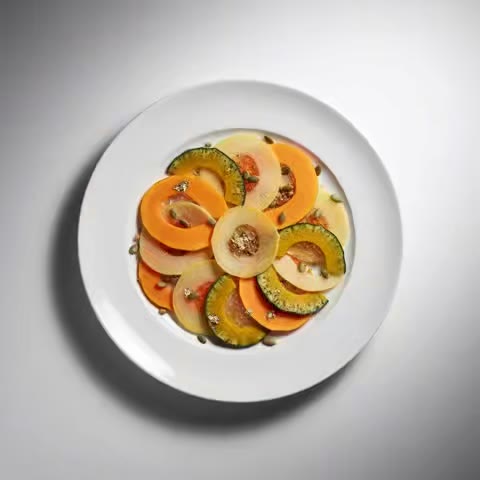 Pumpkin, peeled and cut into chunks | 480 g | Sweet · Cooling |
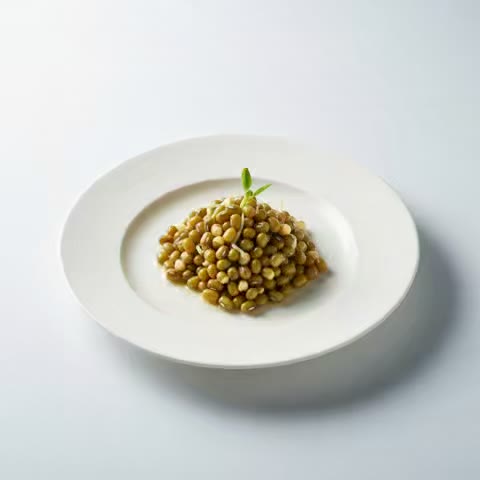 Mung beans, soaked and drained | 130 g | Sweet, Astringent · Cooling |
 Fresh coconut, finely grated | 85 g | Sweet · Cooling |
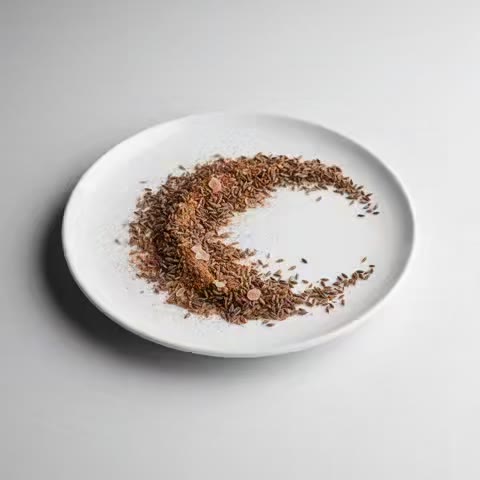 Cumin seeds, ground fresh | 5 g | Pungent, Bitter · Heating |
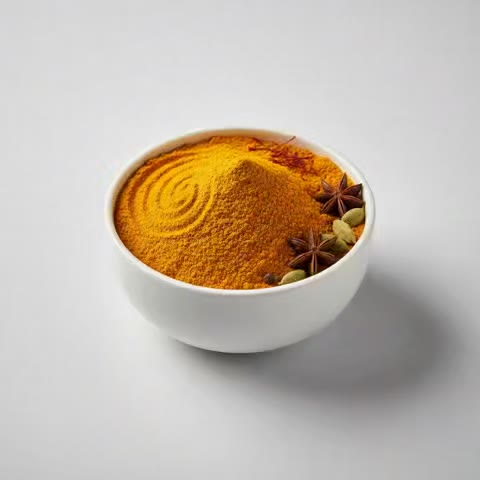 Turmeric, ground | 2 g | Bitter, Pungent, Astringent · Heating |
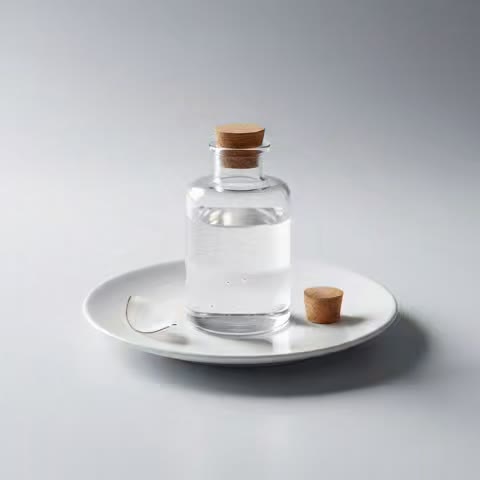 Coconut oil, for tempering | 18 g | Sweet · Cooling |
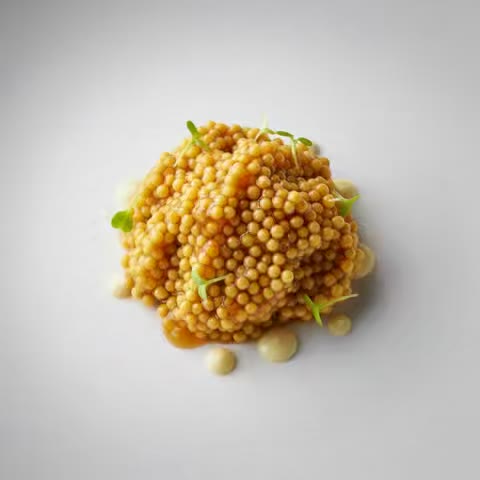 Mustard seeds, ready for tempering | 4 g | Pungent · Heating |
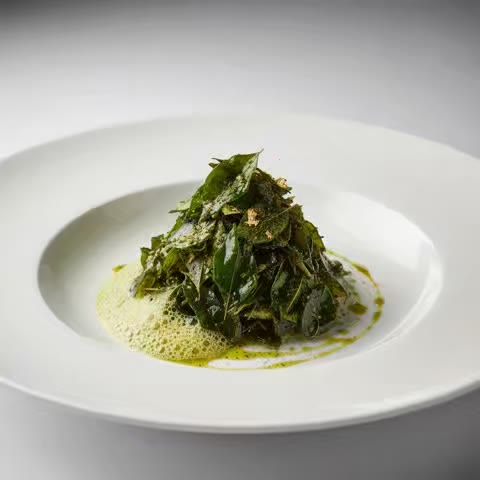 Curry leaves, torn | 2 g | Bitter, Pungent · Heating |
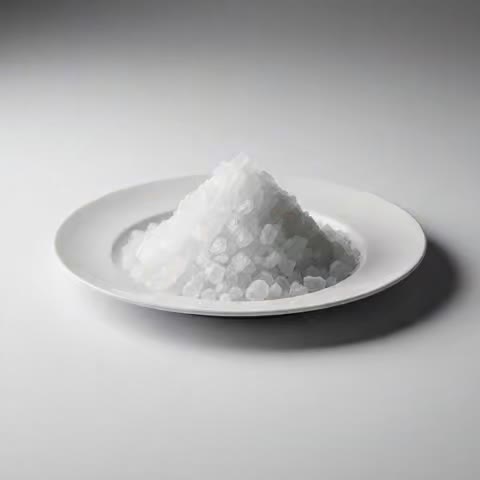 Rock salt, finely ground | 4 g | Salty · Cooling |
| Water, freshly boiled | 760 g | Whole culinary ingredient |
Step-by-Step Preparation
- Set aside 760 ml (about 3 1/4 cups) freshly boiled water for Kerala Pumpkin Mung Erissery, reserving about 60 ml to correct the final consistency.
- For Kerala Pumpkin Mung Erissery, cover the mung beans with at least three times its volume of cool water and soak for 30 minutes; drain for 2 minutes before the first heated step.
- Add the pumpkin chunks and turmeric so they soften without disappearing. Keep the pan over gentle medium heat for 1–2 minutes after the final addition, folding from the bottom so the main pieces remain intact.
- Blend most of the coconut with cumin and hot broth. Blend for 25–35 seconds, stop to scrape the sides, and leave the texture described rather than aerating it.
- Stir this paste into the pot until the lentils coat the pumpkin. Keep the pan over steady low heat for 1–2 minutes after the final addition, folding from the bottom so the main pieces remain intact.
- Toast the reserved coconut in coconut oil with mustard and curry leaves. Give the spices about 30 seconds before adding the larger pieces, then continue over moderate heat for 2–3 minutes, moving the pan often, until the raw aroma is gone.
- Spoon the bronze tempering over the erissery. Warm the fat over medium-low heat for 1 minute, let the spice sizzle for 30–45 seconds, and pour the tempering over the dish before its final rest.
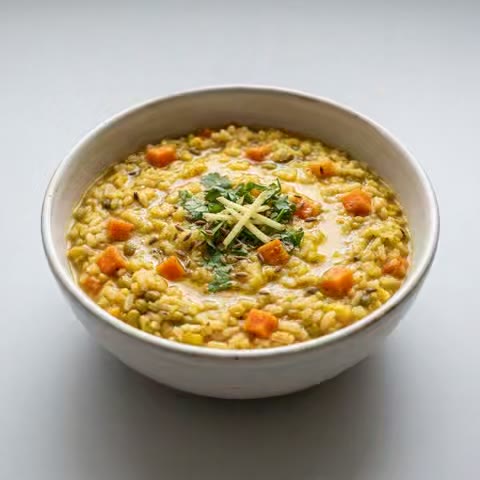
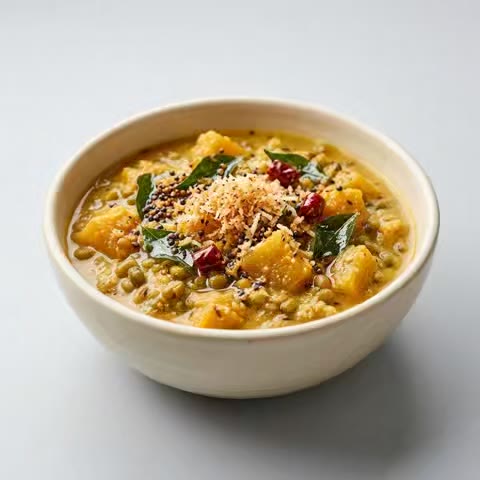
- Rest Kerala Pumpkin Mung Erissery for 5 minutes covered off the burner; stir once gently, check the final consistency, and serve warm without prolonged holding.
Dosha Modifications & Seasonal Guidance
Vaidya Culinary Note (original lacto-vegetarian recipe developed for the R3 regional and practical cooking collection)
Soft mung and pumpkin give this erissery a nourishing, naturally sweet body Vata: serve it warm and add a little ghee if the meal feels dry. Pitta: keep the sharp spices modest and favor coriander or fennel. Kapha: use a smaller portion and sharpen the seasoning with ginger or black pepper.
USDA Nutrition Facts for Kerala Pumpkin Mung Erissery
| Nutrient | Per 100g | Per Serving (1 serving (372g)) |
|---|---|---|
| Energy (Calories) | 73 kcal | 271 kcal |
| Protein | 2.7 g | 10.2 g |
| Total Carbohydrates | 8.8 g | 32.7 g |
| Dietary Fiber | 2.2 g | 8.2 g |
| Total Sugars | 1.8 g | 6.8 g |
| Total Fat | 3.4 g | 12.7 g |
| Calcium | 25.9 mg | 96.3 mg |
| Iron | 1.30 mg | 4.86 mg |
| Magnesium | 25.3 mg | 94.1 mg |
| Phosphorus | 56.6 mg | 210.7 mg |
| Potassium | 250 mg | 931 mg |
| Sodium | 110 mg | 408 mg |
| Zinc | 0.44 mg | 1.64 mg |
| Copper | 0.16 mg | 0.59 mg |
| Manganese | 0.18 mg | 0.65 mg |
| Selenium | 2.0 µg | 7.3 µg |
| Vitamin C | 3.6 mg | 13.3 mg |
| Vitamin A (RAE) | 138.1 µg | 514.6 µg |
| Vitamin E | 0.48 mg | 1.78 mg |
| Vitamin K | 2.2 µg | 8.4 µg |
| Thiamin (Vitamin B1) | 0.08 mg | 0.29 mg |
| Riboflavin (Vitamin B2) | 0.06 mg | 0.22 mg |
| Niacin (Vitamin B3) | 0.45 mg | 1.67 mg |
| Vitamin B6 | 0.06 mg | 0.22 mg |
| Folate (DFE) | 61.7 µg | 229.7 µg |
| Choline | 12.5 mg | 46.4 mg |