Ingredients & Ayurvedic Properties
| Ingredient | Weight | Ayurvedic Profile |
|---|---|---|
 Cabbage, thinly shredded | 330 g | Sweet, Astringent · Cooling |
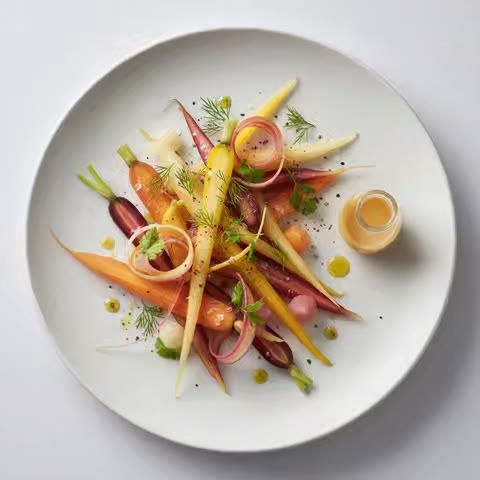 Carrot, cut into fine matchsticks | 160 g | Sweet, Bitter · Heating |
 Fresh coconut, finely grated | 65 g | Sweet · Cooling |
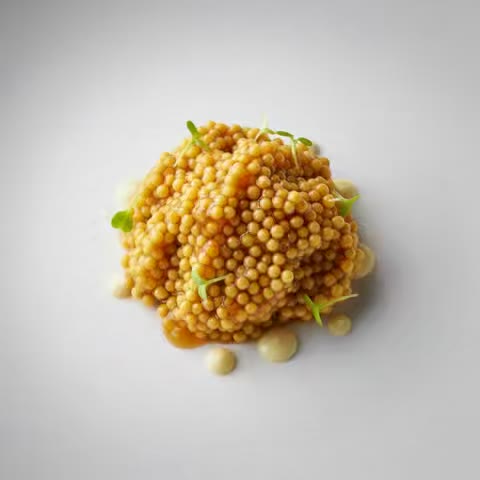 Mustard seeds, ready for tempering | 4 g | Pungent · Heating |
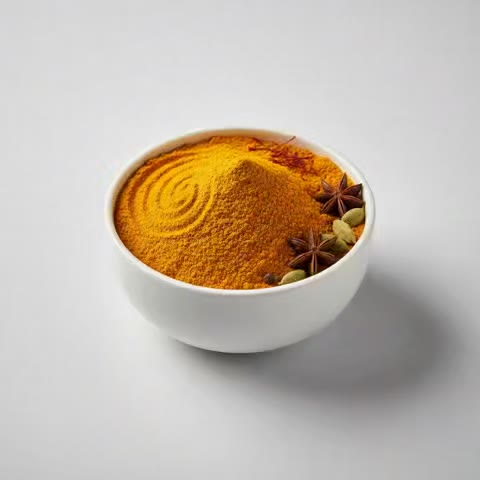 Turmeric, ground | 2 g | Bitter, Pungent, Astringent · Heating |
 Coconut oil, for the pan | 18 g | Sweet · Cooling |
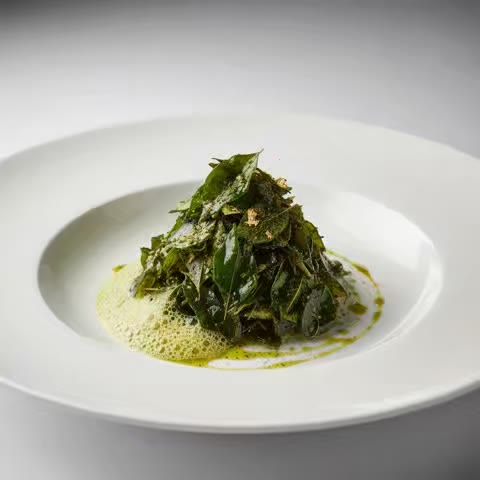 Curry leaves, torn | 2 g | Bitter, Pungent · Heating |
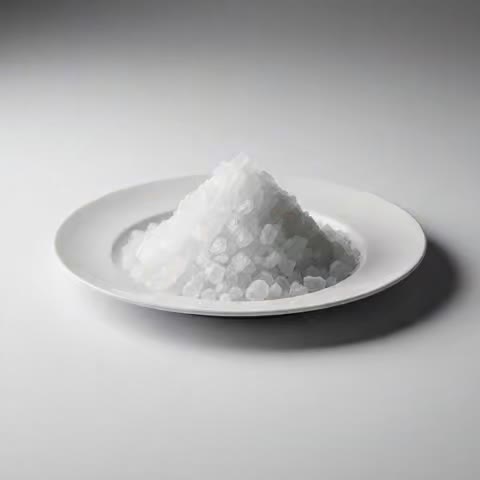 Rock salt, finely ground | 4 g | Salty · Cooling |
Step-by-Step Preparation
- Lay out the prepared cabbage, carrot, and fresh coconut in their order of use; drain wet components for 2 minutes before they reach hot fat.
- Crackle the mustard in coconut oil. Give the spices about 30 seconds before adding the larger pieces, then continue over low heat for 4–5 minutes, moving the pan often, until the raw aroma is gone.
- Wake the curry leaves and turmeric in the fragrant pan. Take 8–10 minutes over steady low heat, using the stated texture and aroma as the final guide.
- Toss in the shredded cabbage and carrot matchsticks, cover briefly. Keep the pot covered over moderate heat for 7–9 minutes; check once at the midpoint and continue until the leaves wilt but still retain their color.
- Let their own steam soften them. Allow 5–7 minutes at medium-low heat, checking whether a thin knife slides through the largest piece without resistance.
- Uncover while the vegetables remain bright, fold through the grated coconut. Keep the pan over gentle medium heat for 1–2 minutes after the final addition, folding from the bottom so the main pieces remain intact.
- Season before serving. Leave the pan off the flame for 6 minutes, then taste and correct the final balance before serving at the stated temperature.
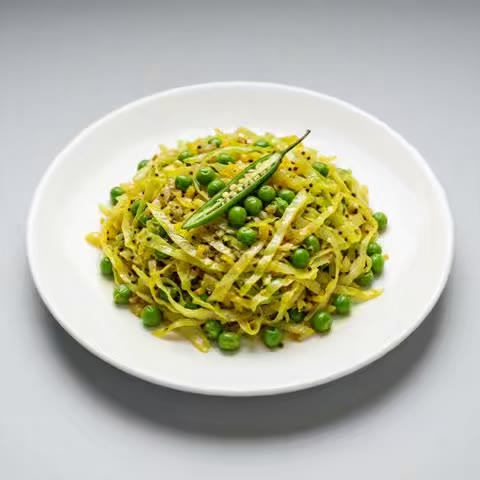
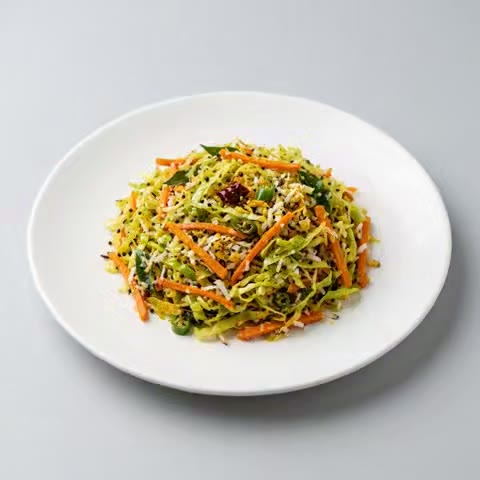
- Rest Kerala Cabbage Carrot Thoran for 3 minutes uncovered off the burner; turn the pieces once, check that no steam is softening the surface, and serve warm.
Dosha Modifications & Seasonal Guidance
Vaidya Culinary Note (original lacto-vegetarian recipe developed for the R3 regional and practical cooking collection)
A quick, lightly steamed thoran keeps the vegetables lively and the coconut modest Vata: serve it warm and add a little ghee if the meal feels dry. Pitta: keep the sharp spices modest and favor coriander or fennel. Kapha: use a smaller portion and sharpen the seasoning with ginger or black pepper.
USDA Nutrition Facts for Kerala Cabbage Carrot Thoran
| Nutrient | Per 100g | Per Serving (1 serving (146g)) |
|---|---|---|
| Energy (Calories) | 97 kcal | 142 kcal |
| Protein | 1.6 g | 2.3 g |
| Total Carbohydrates | 8.1 g | 11.8 g |
| Dietary Fiber | 3.4 g | 4.9 g |
| Total Sugars | 3.8 g | 5.6 g |
| Total Fat | 7.2 g | 10.5 g |
| Calcium | 38.6 mg | 56.4 mg |
| Iron | 0.87 mg | 1.27 mg |
| Magnesium | 17.0 mg | 24.9 mg |
| Phosphorus | 42.5 mg | 62.2 mg |
| Potassium | 237 mg | 346 mg |
| Sodium | 297 mg | 434 mg |
| Zinc | 0.34 mg | 0.49 mg |
| Copper | 0.08 mg | 0.12 mg |
| Manganese | 0.21 mg | 0.31 mg |
| Selenium | 2.8 µg | 4.0 µg |
| Vitamin C | 22.7 mg | 33.2 mg |
| Vitamin A (RAE) | 231.6 µg | 338.7 µg |
| Vitamin E | 0.49 mg | 0.71 mg |
| Vitamin K | 49.2 µg | 72.0 µg |
| Thiamin (Vitamin B1) | 0.06 mg | 0.09 mg |
| Riboflavin (Vitamin B2) | 0.04 mg | 0.06 mg |
| Niacin (Vitamin B3) | 0.49 mg | 0.72 mg |
| Vitamin B6 | 0.12 mg | 0.17 mg |
| Folate (DFE) | 33.5 µg | 49.0 µg |
| Choline | 11.1 mg | 16.2 mg |