Ingredients & Ayurvedic Properties
| Ingredient | Weight | Ayurvedic Profile |
|---|---|---|
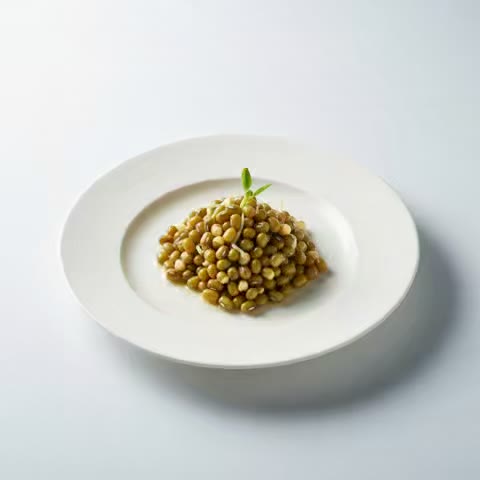 Mung beans, split and dry | 210 g | Sweet, Astringent · Cooling |
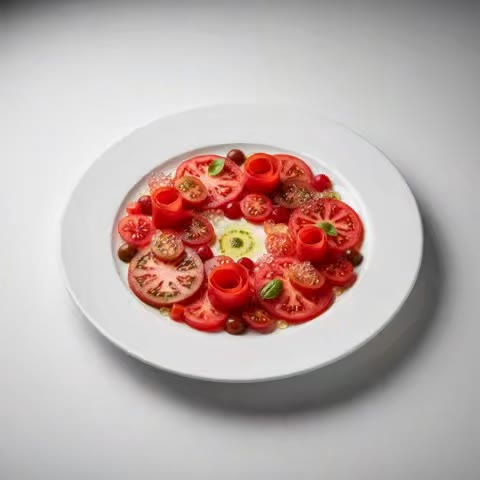 Tomatoes, cut into wedges | 180 g | Sour, Sweet · Heating |
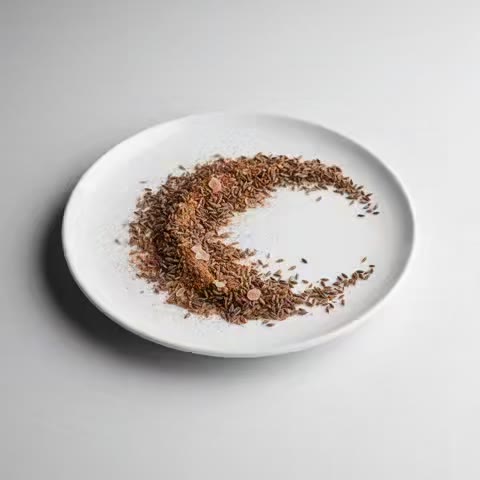 Cumin seeds, whole | 4 g | Pungent, Bitter · Heating |
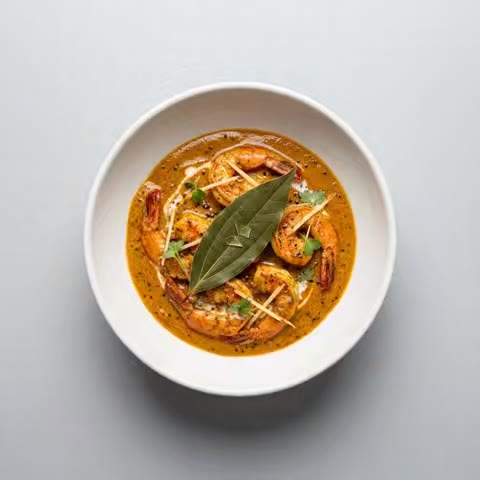 Indian bay leaf, left whole | 1 g | Pungent, Sweet · Heating |
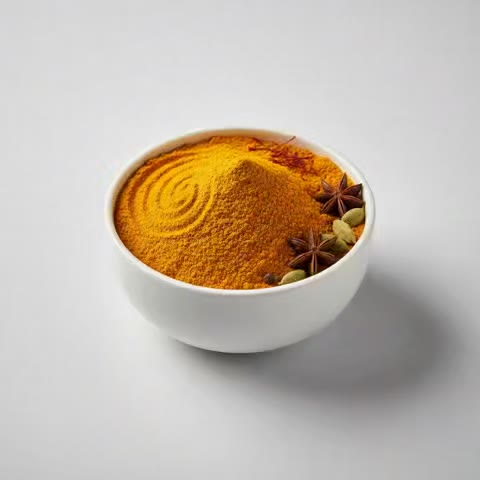 Turmeric, ground | 2 g | Bitter, Pungent, Astringent · Heating |
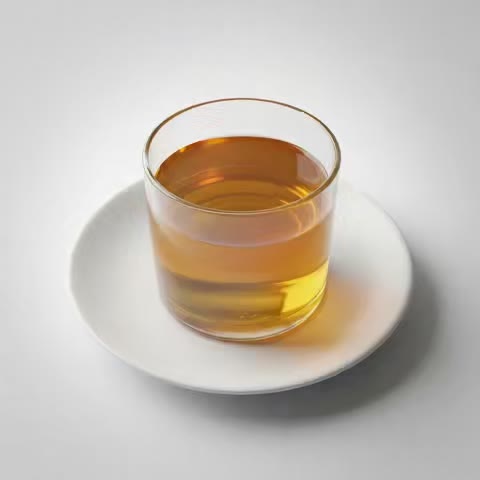 Ghee, for tempering | 18 g | Sweet · Cooling |
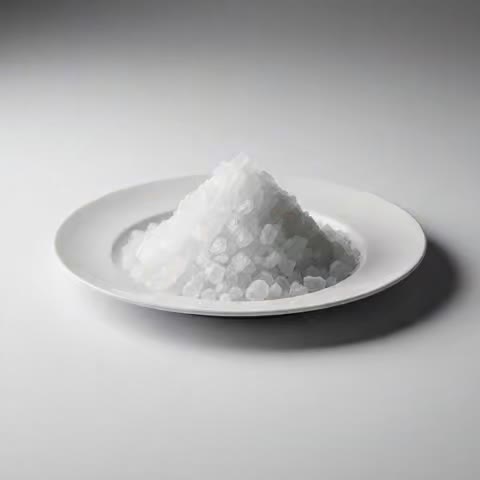 Rock salt, finely ground | 4 g | Salty · Cooling |
| Water, freshly boiled | 950 g | Whole culinary ingredient |
Step-by-Step Preparation
- Set aside 950 ml (about 4 cups) freshly boiled water for Bengali Roasted Mung Dal, reserving about 60 ml to correct the final consistency.
- Dry-roast the split mung over moderate heat until the grains smell nutty but remain golden rather than brown. Give the spices about 30 seconds before adding the larger pieces, then continue over steady low heat for 4–5 minutes, moving the pan often, until the raw aroma is gone.
- Rinse the warm grains, simmer them with turmeric. Maintain moderate heat for 11–13 minutes, stirring every 3 minutes, until a grain pressed between two fingers has no chalky center.
- Add the tomato wedges once the dal is nearly tender. Keep the pan over medium-low heat for 1–2 minutes after the final addition, folding from the bottom so the main pieces remain intact.
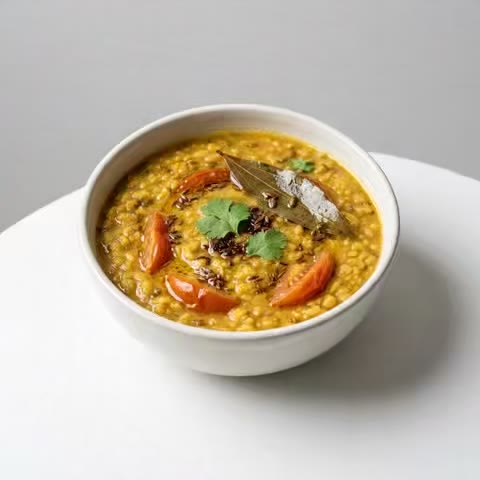
- Bloom cumin and the bay leaf in ghee, stir the tempering into the pot. Warm the fat over medium-low heat for 1 minute, let the spice sizzle for 30–45 seconds, and pour the tempering over the dish before its final rest.
- Season without over-mashing the lentils. Leave the pan off the flame for 5 minutes, then taste and correct the final balance before serving at the stated temperature.
- Rest Bengali Roasted Mung Dal for 5 minutes covered off the burner; stir once gently, check the final consistency, and serve warm without prolonged holding.
Dosha Modifications & Seasonal Guidance
Vaidya Culinary Note (original lacto-vegetarian recipe developed for the R3 regional and practical cooking collection)
Dry roasting gives Bengali mung dal a distinctive nutty aroma Vata: add enough ghee and cook the roasted grains very soft. Pitta: keep the sharp spices modest and favor coriander or fennel. Kapha: use a smaller portion and sharpen the seasoning with ginger or black pepper.
USDA Nutrition Facts for Bengali Roasted Mung Dal
| Nutrient | Per 100g | Per Serving (1 serving (342g)) |
|---|---|---|
| Energy (Calories) | 69 kcal | 236 kcal |
| Protein | 3.9 g | 13.2 g |
| Total Carbohydrates | 10.4 g | 35.6 g |
| Dietary Fiber | 2.7 g | 9.4 g |
| Total Sugars | 1.4 g | 4.7 g |
| Total Fat | 1.6 g | 5.4 g |
| Calcium | 27.3 mg | 93.6 mg |
| Iron | 1.38 mg | 4.71 mg |
| Magnesium | 32.6 mg | 111.6 mg |
| Phosphorus | 61.5 mg | 210.4 mg |
| Potassium | 231 mg | 791 mg |
| Sodium | 120 mg | 409 mg |
| Zinc | 0.46 mg | 1.59 mg |
| Copper | 0.16 mg | 0.56 mg |
| Manganese | 0.22 mg | 0.75 mg |
| Selenium | 1.3 µg | 4.4 µg |
| Vitamin C | 2.6 mg | 8.9 mg |
| Vitamin A (RAE) | 17.9 µg | 61.3 µg |
| Vitamin E | 0.22 mg | 0.76 mg |
| Vitamin K | 2.6 µg | 8.8 µg |
| Thiamin (Vitamin B1) | 0.10 mg | 0.35 mg |
| Riboflavin (Vitamin B2) | 0.04 mg | 0.14 mg |
| Niacin (Vitamin B3) | 0.44 mg | 1.51 mg |
| Vitamin B6 | 0.07 mg | 0.25 mg |
| Folate (DFE) | 98.0 µg | 335.5 µg |
| Choline | 16.3 mg | 55.9 mg |