Ingredients & Ayurvedic Properties
| Ingredient | Weight | Ayurvedic Profile |
|---|---|---|
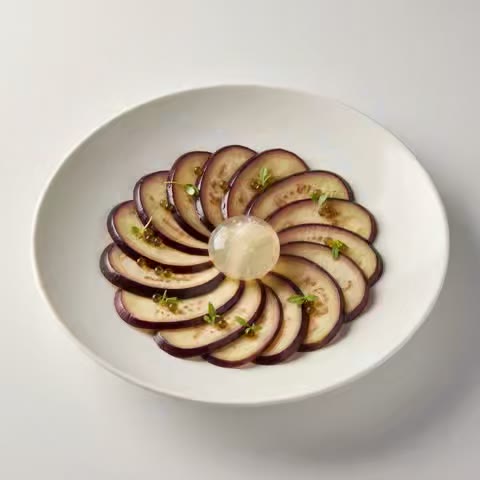 Eggplant, cut into long wedges | 520 g | Pungent, Bitter, Sweet · Heating |
 Poppy seeds, soaked and ground | 65 g | Sweet, Astringent · Cooling |
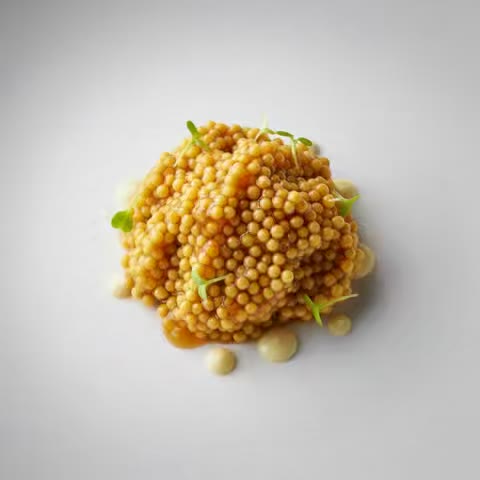 Mustard seeds, ready for tempering | 4 g | Pungent · Heating |
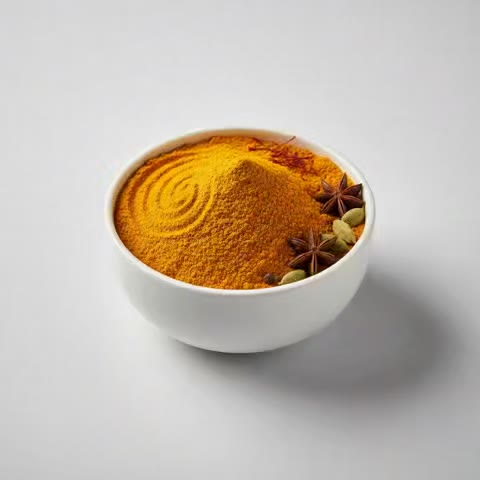 Turmeric, ground | 2 g | Bitter, Pungent, Astringent · Heating |
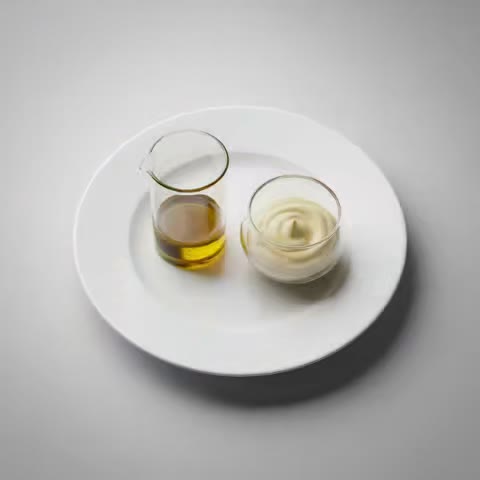 Mustard oil, for the pan | 22 g | Pungent, Bitter · Heating |
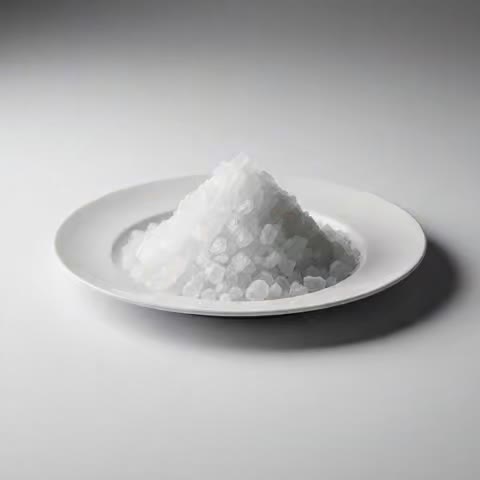 Rock salt, finely ground | 4 g | Salty · Cooling |
| Water, freshly boiled | 320 g | Whole culinary ingredient |
Step-by-Step Preparation
- Heat 320 ml (about 1 1/4 cups) water until vigorously boiling, then lower it to a bare simmer beside the main pot for measured additions.
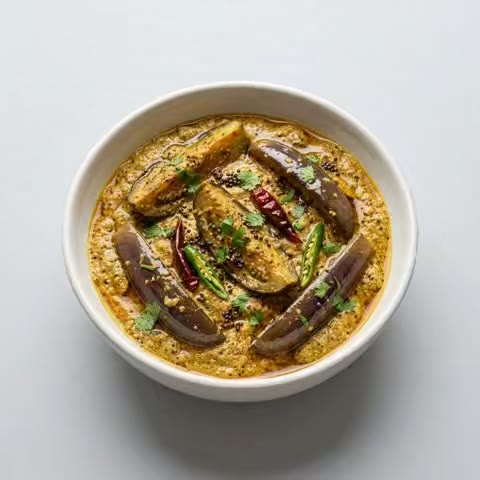
- For Bengali Eggplant Poppy Seed Curry, cover the poppy seeds with at least three times its volume of cool water and soak for 20 minutes; drain for 2 minutes before the first heated step.
- Sear the eggplant wedges in mustard oil until their cut sides bronze and the skins stay taut. Use medium-high heat for 4–6 minutes, turning once, until the cut faces are browned while the centers remain firm enough for simmering.
- Sprinkle over turmeric, add hot water. Keep the pan over low heat for 2–3 minutes after the final addition, folding from the bottom so the main pieces remain intact.
- Cover until the flesh becomes silky without collapsing. Keep the pot covered over steady low heat for 18–20 minutes; check once at the midpoint and continue until a thin knife slides through the largest piece without resistance.
- Ease the ground poppy paste around the wedges, simmer until thick. Maintain moderate heat for 10–12 minutes, stirring every 3 minutes, until a thin knife slides through the largest piece without resistance.
- Season while shaking the pan instead of stirring hard. Leave the pan off the flame for 3 minutes, then taste and correct the final balance before serving at the stated temperature.
- Rest Bengali Eggplant Poppy Seed Curry for 5 minutes covered off the burner; stir once gently, check the final consistency, and serve warm without prolonged holding.
Dosha Modifications & Seasonal Guidance
Vaidya Culinary Note (original lacto-vegetarian recipe developed for the R3 regional and practical cooking collection)
Poppy paste gives tender eggplant a mild, velvety Bengali sauce Vata: serve it warm and add a little ghee if the meal feels dry. Pitta: use ghee in place of mustard oil and keep the seasoning mild. Kapha: use a smaller portion and sharpen the seasoning with ginger or black pepper.
USDA Nutrition Facts for Bengali Eggplant Poppy Seed Curry
| Nutrient | Per 100g | Per Serving (1 serving (234g)) |
|---|---|---|
| Energy (Calories) | 74 kcal | 173 kcal |
| Protein | 1.9 g | 4.5 g |
| Total Carbohydrates | 5.5 g | 12.8 g |
| Dietary Fiber | 3.1 g | 7.3 g |
| Total Sugars | 2.2 g | 5.1 g |
| Total Fat | 5.5 g | 12.9 g |
| Calcium | 107.4 mg | 251.5 mg |
| Iron | 0.95 mg | 2.23 mg |
| Magnesium | 34.2 mg | 80.1 mg |
| Phosphorus | 77.1 mg | 180.6 mg |
| Potassium | 185 mg | 432 mg |
| Sodium | 170 mg | 398 mg |
| Zinc | 0.65 mg | 1.53 mg |
| Copper | 0.17 mg | 0.39 mg |
| Manganese | 0.65 mg | 1.51 mg |
| Selenium | 2.0 µg | 4.7 µg |
| Vitamin C | 1.3 mg | 3.1 mg |
| Vitamin A (RAE) | 0.6 µg | 1.5 µg |
| Vitamin E | 0.31 mg | 0.73 mg |
| Vitamin K | 4.0 µg | 9.3 µg |
| Thiamin (Vitamin B1) | 0.08 mg | 0.19 mg |
| Riboflavin (Vitamin B2) | 0.03 mg | 0.08 mg |
| Niacin (Vitamin B3) | 0.51 mg | 1.19 mg |
| Vitamin B6 | 0.07 mg | 0.15 mg |
| Folate (DFE) | 18.6 µg | 43.6 µg |
| Choline | 6.3 mg | 14.7 mg |