Classical Ayurvedic Profile & Preparation
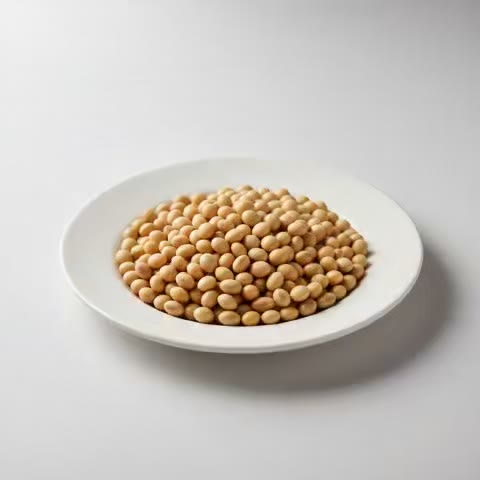
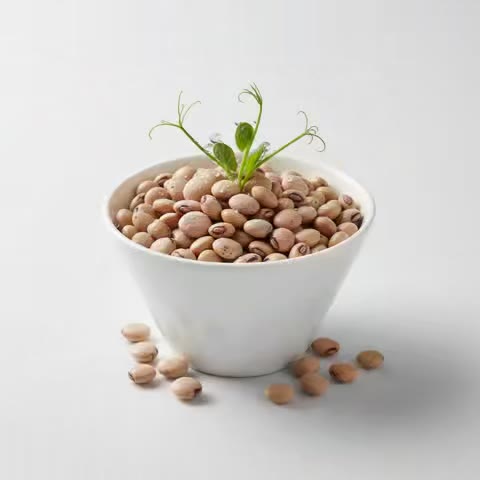
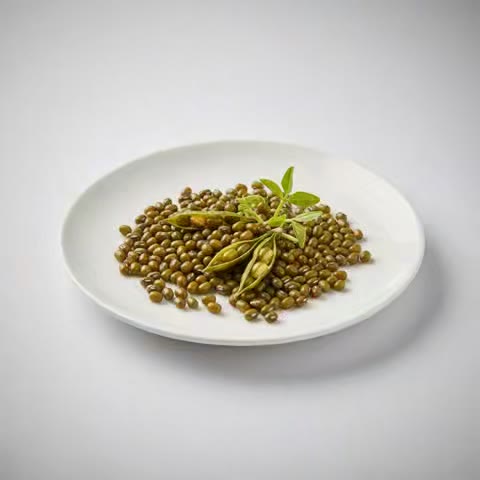
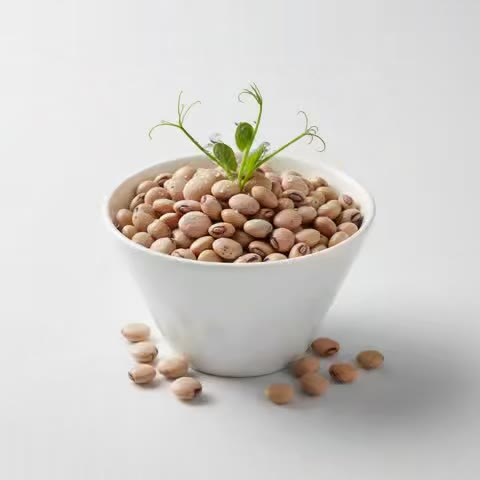
Whole pigeon pea is a traditional Ayurvedic legume valued for its sweet, astringent taste and neutral potency.
Traditional Preparation (Samskara)
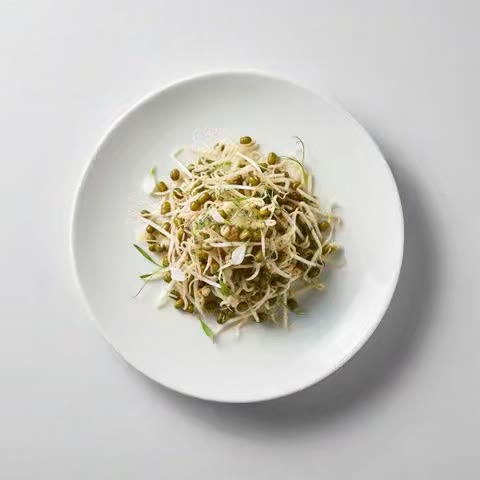
The unsplit bean behind everyday toor dal — needs overnight soaking and long cooking, or sprouting. Fresh green pigeon peas in winter are its gentlest form.
Classical Provenance: Bhavaprakasha (adhaki); Gujarati tradition.
Synergistic Combinations (Samyoga)
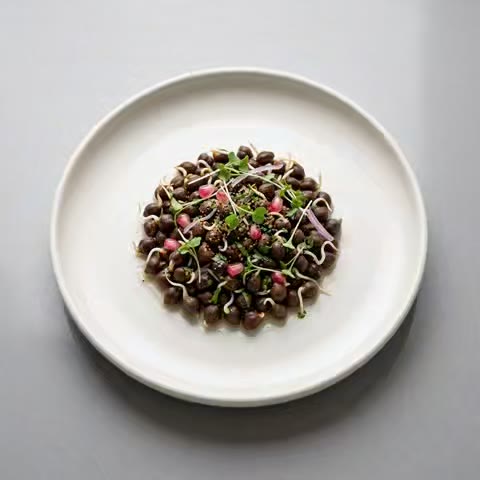
- sprouted and curried (Gujarati tuver style)
- fresh green tuver in undhiyu
- long soak, ghee-hing tadka
Contraindications & Viruddha Āhāra (Food Incompatibilities)
- Contraindication: vata excess / gas-prone (whole is windier than the split dal)
- Contraindication: weak agni
Verified USDA Nutrition Facts for Whole pigeon pea
Complete macronutrient, vitamin, and mineral profile per 100 grams and per 1/4 cup dry (50g):
| Nutrient | Per 100g | Per Serving (1/4 cup dry) |
|---|---|---|
| Energy (Calories) | 274 kcal | 137 kcal |
| Protein | 20.5 g | 10.2 g |
| Total Carbohydrates | 42.5 g | 21.2 g |
| Dietary Fiber | 22.8 g | 11.4 g |
| Total Sugars | 1.3 g | 0.7 g |
| Total Fat | 1.4 g | 0.7 g |
| Calcium | 139.0 mg | 69.5 mg |
| Iron | 5.37 mg | 2.69 mg |
| Magnesium | 155.0 mg | 77.5 mg |
| Phosphorus | 312.0 mg | 156.0 mg |
| Potassium | 1303 mg | 652 mg |
| Sodium | 19 mg | 10 mg |
| Zinc | 2.99 mg | 1.50 mg |
| Copper | 1.32 mg | 0.66 mg |
| Manganese | 1.34 mg | 0.67 mg |
| Selenium | 15.4 µg | 7.7 µg |
| Vitamin C | 0 mg | 0 mg |
| Vitamin A (RAE) | 149.0 µg | 74.5 µg |
| Vitamin E | 0.80 mg | 0.40 mg |
| Vitamin K | 91.8 µg | 45.9 µg |
| Thiamin (Vitamin B1) | 0.74 mg | 0.37 mg |
| Riboflavin (Vitamin B2) | 0.15 mg | 0.07 mg |
| Niacin (Vitamin B3) | 2.42 mg | 1.21 mg |
| Vitamin B6 | 0.42 mg | 0.21 mg |