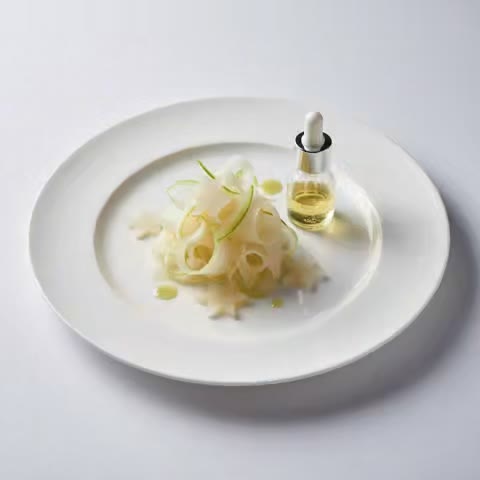
Ayurvedic Dravya · Vegetable · — kcal / 100g

Taro root Pindalu

Also known as: arbi, colocasia

Taro root is a traditional Ayurvedic vegetable valued for its sweet, astringent taste and cooling potency.

Check Taro root Against Your Prakriti & Daily Macros Log 704 Ayurvedic ingredients and 1,511 recipes with Six Tastes + verified USDA nutrition on iPhone & iPad.
Download on the App Store
Taro root — Ayurvedic Vegetable & USDA Nutrition

Taro root — Rasa: Sweet, Astringent · Virya: Cooling · Vipaka: Sweet · — kcal per 100g (USDA).

Vāta: Neutral (0) Pitta: Pacifies (-1) Kapha: Increases (+2)
Rasa (Six Tastes)
Sweet, Astringent
Vīrya (Potency)
Cooling
Vipāka (Post-Digestive)
Sweet
Guṇas (Qualities)
Heavy, Smooth, Slimy
Digestibility & Agni
2/5 · Agni -1
Seasons & Timing
Varsha, Hemanta · Midday

Classical Ayurvedic Profile & Preparation

Taro root is a traditional Ayurvedic vegetable valued for its sweet, astringent taste and cooling potency.

Traditional Preparation (Samskara)

Boil then pan-fry with ajwain, amchur and carom — the spices are essential to counter its heavy slimy nature.

Classical Provenance: Bhavaprakasha Nighantu (pindalu/alu varga).

Synergistic Combinations (Samyoga)

  • arbi fried with ajwain and amchur (the classical pairing)
  • in kadhi
  • patra (leaves rolled with besan)

Contraindications & Viruddha Āhāra (Food Incompatibilities)

  • Contraindication: kapha excess
  • Contraindication: gout (traditional caution)
  • Contraindication: must be fully cooked (calcium oxalate irritant when raw)

Verified USDA Nutrition Facts for Taro root

Complete macronutrient, vitamin, and mineral profile per 100 grams and per 1 cup sliced (104g):
iOS App for iPhone & iPad

Practice with 908 illustrated postures, custom prāṇāyāma timers & dosha meal plans

Combine classical Vata, Pitta, and Kapha balance, Six Tastes (Shad Rasa), and seasonal Ritucharya routines with verified USDA calorie, macronutrient, vitamin, and mineral tracking.

Ayurvedic Recipes Using Taro root

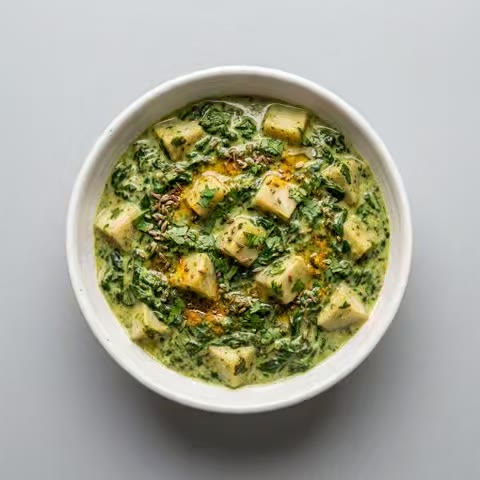
Taro Spinach CurryLunch · 46 min

Taro Spinach Curry

Taro Spinach Curry is a practical home-style main with a moist, fully cooked texture. Vata: serve warm, cook until tende...

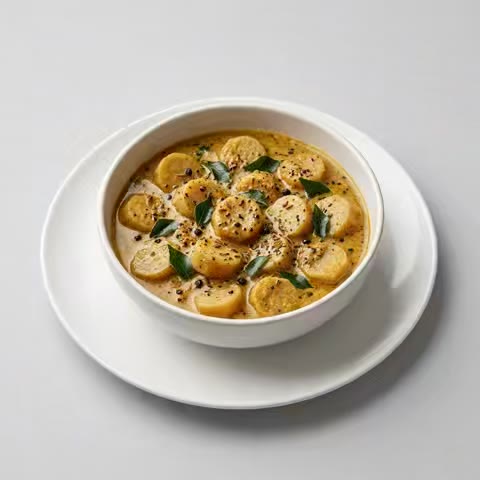
Kerala Taro Pepper CurryLunch · 45 min

Kerala Taro Pepper Curry

Pepper and roasting offset taro's heaviness in this dry Kerala curry Vata: serve it warm and add a little ghee if the me...

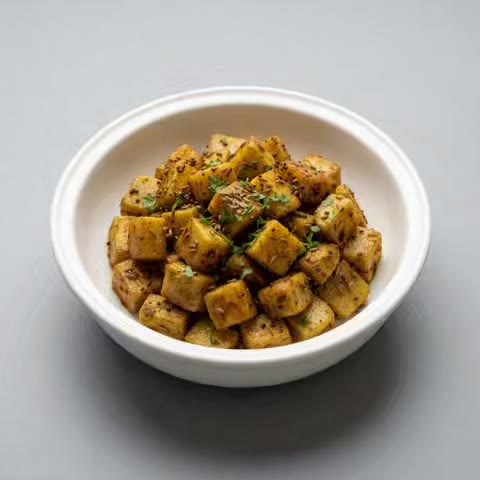
Taro Ajwain SabziLunch · 39 min

Taro Ajwain Sabzi

Taro Ajwain Sabzi is a softly cooked, moderately seasoned vegetable dish. Vata: cook it fully and add a touch more ghee....

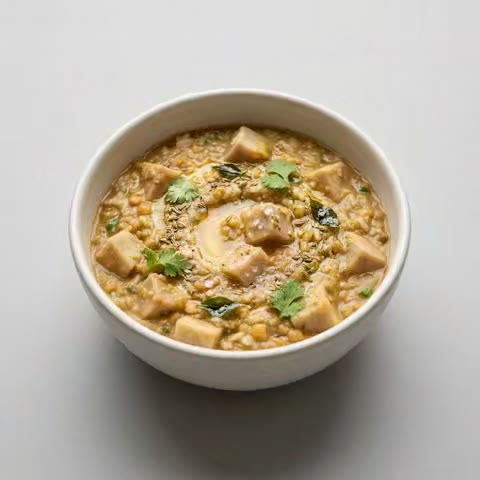
Vata Taro Red Lentil PotLunch · 45 min

Vata Taro Red Lentil Pot

Vata Taro Red Lentil Pot is composed as a warm, moist, complete meal for calming vata Vata: serve immediately while soft...

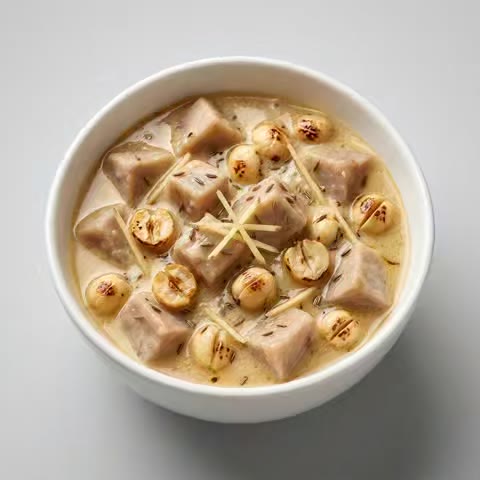
Vrat Taro Lotus Seed PotLunch · 45 min

Vrat Taro Lotus Seed Pot

Ginger and crisp lotus seeds balance the grounding weight of taro Vata: serve it warm and add a little ghee if the meal ...

Related Vegetable Ingredients

Agathi flowerVegetable · Cooling

Agathi flower

Named for the sage Agastya — Tamil households cook agathi on dvadashi to settle the gut after fasting days.

Arrowroot (fresh)Vegetable · Cooling

Arrowroot (fresh)

The convalescent starch — tavakshira porridge is the classical food for inflamed or recovering digestion, soothing where

Artichoke, globeVegetable · Cooling

Artichoke, globe

Bitter liver-supportive vegetable; Western tradition uses it for bile flow — an Ayurvedic pitta-kapha ally.

Ash gourdVegetable · Cooling

Ash gourd

Celebrated medhya (intellect-nourishing) vegetable; fresh morning juice is a modern-classical hybrid practice for acidit

Ash gourd (juicing flesh)Vegetable · Cooling

Ash gourd (juicing flesh)

Kushmanda fresh-pressed — the modern morning juice with classical credentials: medhya (mind-nourishing), cooling to pitt