Ayurvedic Dravya · Regional · — kcal / 100g

Taro stem

Also known as: gaba, arbi ke patte ka danthal, kochur loti

Taro stem is a traditional Ayurvedic regional valued for its astringent, sweet taste and cooling potency.

Check Taro stem Against Your Prakriti & Daily Macros Log 704 Ayurvedic ingredients and 1,511 recipes with Six Tastes + verified USDA nutrition on iPhone & iPad.
Download on the App Store
Taro stem — Ayurvedic Regional & USDA Nutrition

Taro stem — Rasa: Astringent, Sweet · Virya: Cooling · Vipaka: Sweet · — kcal per 100g (USDA).

Vāta: Mildly Increases (+1) Pitta: Neutral (0) Kapha: Mildly Increases (+1)
Rasa (Six Tastes)
Astringent, Sweet
Vīrya (Potency)
Cooling
Vipāka (Post-Digestive)
Sweet
Guṇas (Qualities)
Light, Smooth, Slimy
Digestibility & Agni
2/5 · Agni 0
Seasons & Timing
Varsha · Midday

Classical Ayurvedic Profile & Preparation

Taro stem is a traditional Ayurvedic regional valued for its astringent, sweet taste and cooling potency.

Traditional Preparation (Samskara)

Peel the stems' fibrous skin, cook long with tamarind or amchur; the sour is functional chemistry, not just taste.

Classical Provenance: Regional (Bengali, Assamese, Bihari) tradition.

Synergistic Combinations (Samyoga)

  • cooked with sour (tamarind, dried mango) — essential against the itch
  • Bengali kochur loti with mustard

Contraindications & Viruddha Āhāra (Food Incompatibilities)

  • Contraindication: must be cooked long with souring agents (calcium-oxalate itch when underdone)
  • Contraindication: kapha excess

Verified USDA Nutrition Facts for Taro stem

Complete macronutrient, vitamin, and mineral profile per 100 grams and per 1/2 cup cooked (70g):
iOS App for iPhone & iPad

Practice with 908 illustrated postures, custom prāṇāyāma timers & dosha meal plans

Combine classical Vata, Pitta, and Kapha balance, Six Tastes (Shad Rasa), and seasonal Ritucharya routines with verified USDA calorie, macronutrient, vitamin, and mineral tracking.

Related Regional Ingredients

Mahua flower (dried)Regional · Cooling

Mahua flower (dried)

Sun-dried mahua concentrates the sugars — used like raisins or jaggery in tribal sweets and porridges.

Mahua flower (fresh)Regional · Cooling

Mahua flower (fresh)

Sugar-rich forest flower — staple energy food of central Indian tribal cuisine, eaten raw, cooked, or sun-dried.

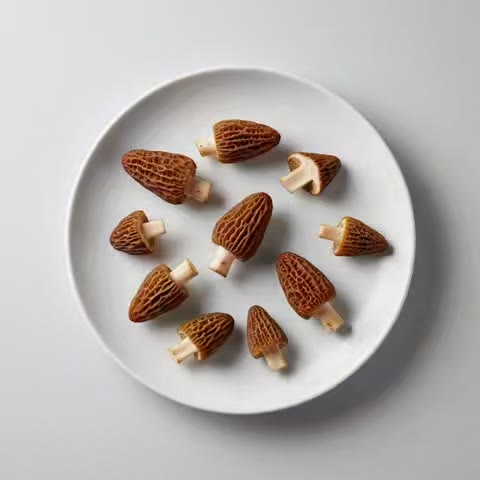
Morel mushroom (gucchi)Regional · Heating

Morel mushroom (gucchi)

Prized Himalayan wild mushroom — festive building food of Kashmiri and Himachali kitchens.

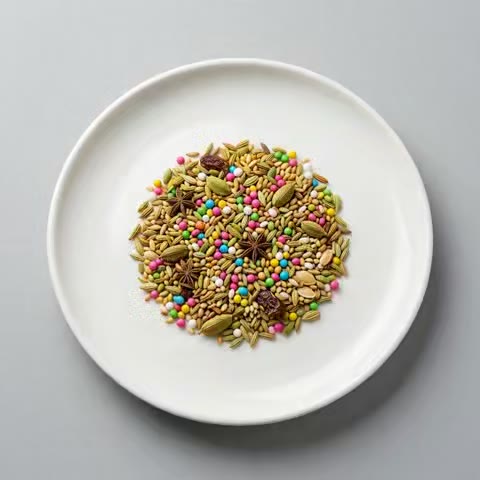
Mukhwas (fennel mouth-freshener)Regional · Cooling

Mukhwas (fennel mouth-freshener)

The after-meal seed ritual of Indian tables — roasted fennel with sesame, dhania-dal and sometimes candy; digestion and

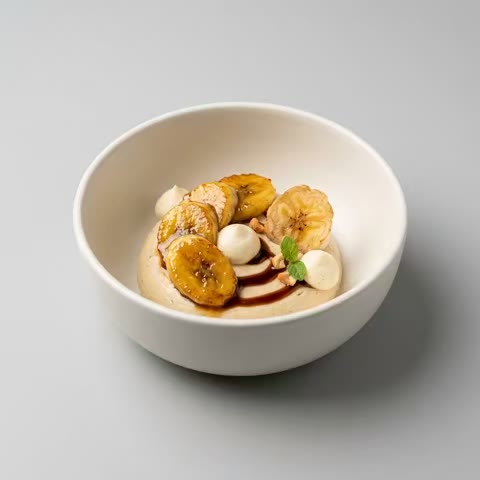
Nendran bananaRegional · Cooling

Nendran banana

Kerala's firm cooking banana — steamed for breakfast, fried as chips, and the base of the infant food 'nendran podi'.

Panta bhat (fermented rice)Regional · Cooling

Panta bhat (fermented rice)

Cooked rice soaked overnight in water — mild lacto-fermentation cools the body and feeds the gut; the farmer's summer br