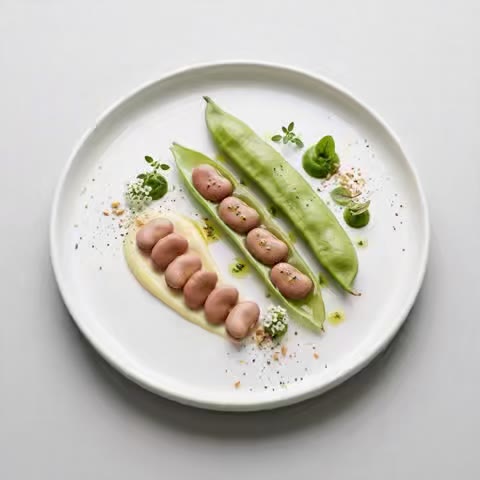
Ayurvedic Dravya · Vegetable · — kcal / 100g

Sword bean Asidhari Shimbi

Also known as: abai, badi sem, chapparada avare

Sword bean is a traditional Ayurvedic vegetable valued for its sweet, astringent taste and neutral potency.

Check Sword bean Against Your Prakriti & Daily Macros Log 704 Ayurvedic ingredients and 1,511 recipes with Six Tastes + verified USDA nutrition on iPhone & iPad.
Download on the App Store
Sword bean — Ayurvedic Vegetable & USDA Nutrition

Sword bean — Rasa: Sweet, Astringent · Virya: Neutral · Vipaka: Sweet · — kcal per 100g (USDA).

Vāta: Mildly Increases (+1) Pitta: Neutral (0) Kapha: Pacifies (-1)
Rasa (Six Tastes)
Sweet, Astringent
Vīrya (Potency)
Neutral
Vipāka (Post-Digestive)
Sweet
Guṇas (Qualities)
Heavy, Dry
Digestibility & Agni
2/5 · Agni 0
Seasons & Timing
Hemanta, Shishira · Midday

Classical Ayurvedic Profile & Preparation

Sword bean is a traditional Ayurvedic vegetable valued for its sweet, astringent taste and neutral potency.

Traditional Preparation (Samskara)

Only young tender pods, sliced and well cooked — mature sword beans need parboiling with the water discarded. A robust vegetable that demands thorough cooking.

Classical Provenance: South Indian regional tradition; shimbi-varga logic per classical texts.

Synergistic Combinations (Samyoga)

  • young pods sliced thin and curried with coconut
  • with garlic and ajwain (gas counterweights)
  • parboiled before final cooking (traditional detox step)

Contraindications & Viruddha Āhāra (Food Incompatibilities)

  • Contraindication: mature beans undercooked (contain antinutrients — always boil well)
  • Contraindication: vata excess / gas-prone
  • Contraindication: weak digestion

Verified USDA Nutrition Facts for Sword bean

Complete macronutrient, vitamin, and mineral profile per 100 grams and per 1 cup chopped (100g):
iOS App for iPhone & iPad

Practice with 908 illustrated postures, custom prāṇāyāma timers & dosha meal plans

Combine classical Vata, Pitta, and Kapha balance, Six Tastes (Shad Rasa), and seasonal Ritucharya routines with verified USDA calorie, macronutrient, vitamin, and mineral tracking.

Related Vegetable Ingredients

Mushroom, whiteVegetable · Cooling

Mushroom, white

Classically considered tamasic and heavy; modern use accepts well-cooked mushrooms with warming spices.

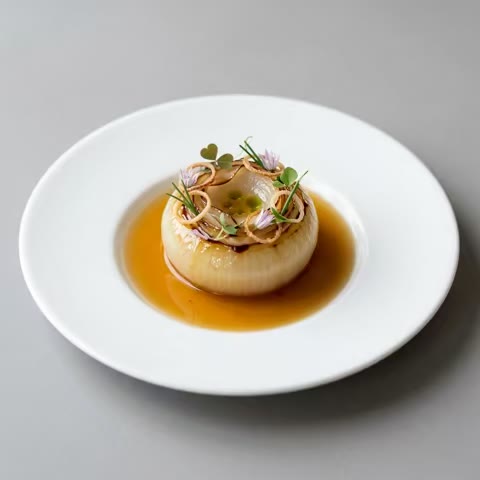
White onionVegetable · Heating

White onion

The milder palandu — traditionally preferred in summer and for pitta-prone eaters.

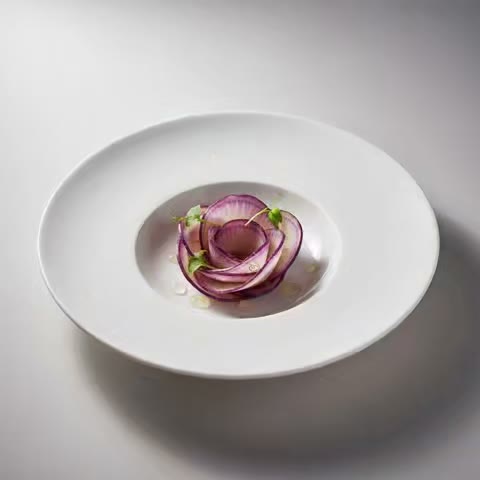
White radish (mooli)Vegetable · Heating

White radish (mooli)

Texts distinguish by stage: the young tender radish pacifies all three doshas, while the mature root aggravates them — a

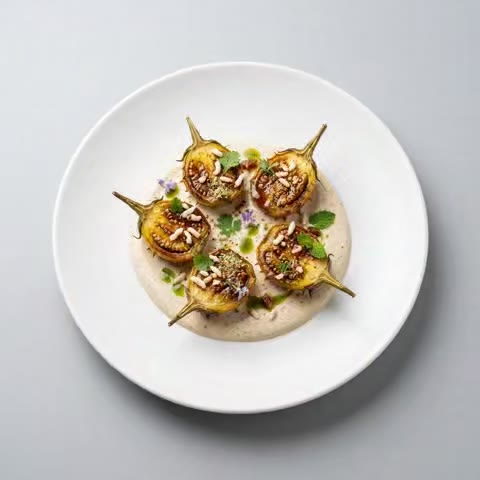
Wild brinjal (kantakari class)Vegetable · Heating

Wild brinjal (kantakari class)

Kitchen relative of the dashamula pair (brihati-kantakari) — the bitter wild eggplants eaten as sabzi carry a whisper of

YamVegetable · Cooling

Yam