Classical Ayurvedic Profile & Preparation
Grahi — masura gently binds the gut; the classical dal for loose digestion, and the fastest-cooking of the everyday pulses.
Traditional Preparation (Samskara)
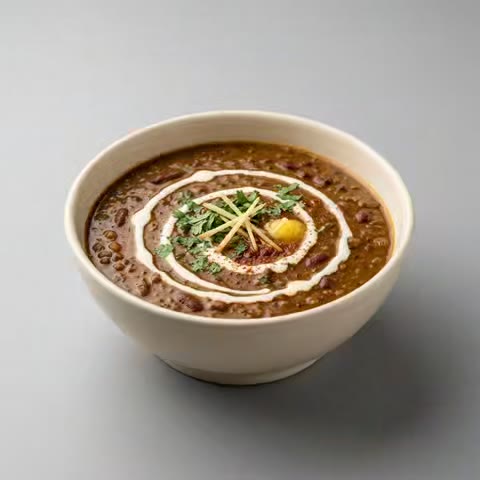
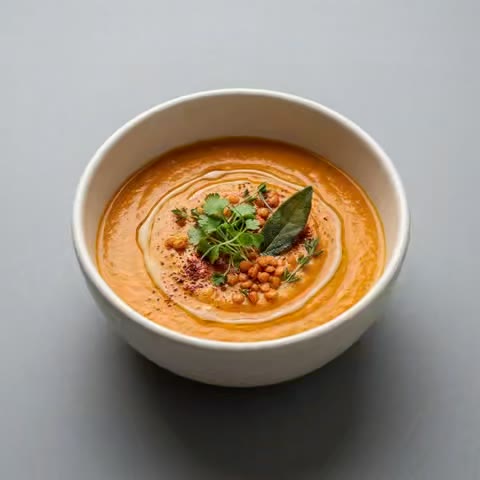
Quick-cooking split lentil, simmered soft and tempered. Being grahi, it suits loose guts and monsoon bellies better than hard-dry constitutions.
Classical Provenance: Bhavaprakasha (masura); Charaka Samhita (shimbi varga).
Synergistic Combinations (Samyoga)
- ghee-jeera-hing tadka (the vata counterweight)
- with rice as everyday dal-chawal
- lemon at serving brightens without souring
Contraindications & Viruddha Āhāra (Food Incompatibilities)
- Contraindication: constipation-prone vata (grahi)
- Contraindication: gout in heavy daily quantity
Verified USDA Nutrition Facts for Split red lentil
Complete macronutrient, vitamin, and mineral profile per 100 grams and per 1/4 cup dry (50g):
| Nutrient | Per 100g | Per Serving (1/4 cup dry) |
|---|---|---|
| Energy (Calories) | 322 kcal | 161 kcal |
| Protein | 24.4 g | 12.2 g |
| Total Carbohydrates | 52.5 g | 26.3 g |
| Dietary Fiber | 10.4 g | 5.2 g |
| Total Sugars | 1.9 g | 1.0 g |
| Total Fat | 0.8 g | 0.4 g |
| Calcium | 44.3 mg | 22.2 mg |
| Iron | 7.06 mg | 3.53 mg |
| Magnesium | 74.7 mg | 37.3 mg |
| Phosphorus | 310.0 mg | 155.0 mg |
| Potassium | 786 mg | 393 mg |
| Sodium | 10 mg | 5 mg |
| Zinc | 3.61 mg | 1.80 mg |
| Copper | 0.96 mg | 0.48 mg |
| Manganese | 1.16 mg | 0.58 mg |
| Selenium | 49.5 µg | 24.8 µg |
| Vitamin C | 0 mg | 0 mg |
| Vitamin A (RAE) | 6.3 µg | 3.2 µg |
| Vitamin E | 0.16 mg | 0.08 mg |
| Vitamin K | 3.8 µg | 1.9 µg |
| Thiamin (Vitamin B1) | 0.34 mg | 0.17 mg |
| Riboflavin (Vitamin B2) | 0.16 mg | 0.08 mg |
| Niacin (Vitamin B3) | 1.81 mg | 0.91 mg |
| Vitamin B6 | 0.18 mg | 0.09 mg |