Classical Ayurvedic Profile & Preparation
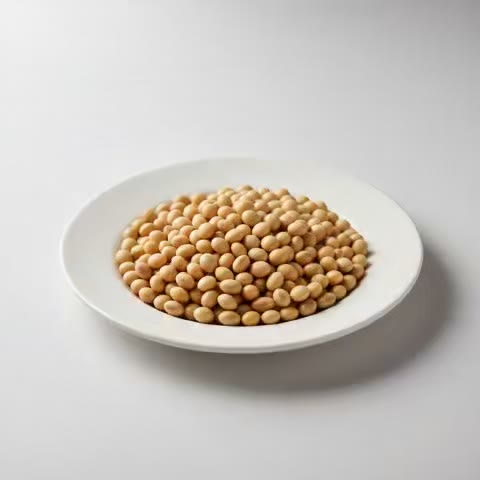
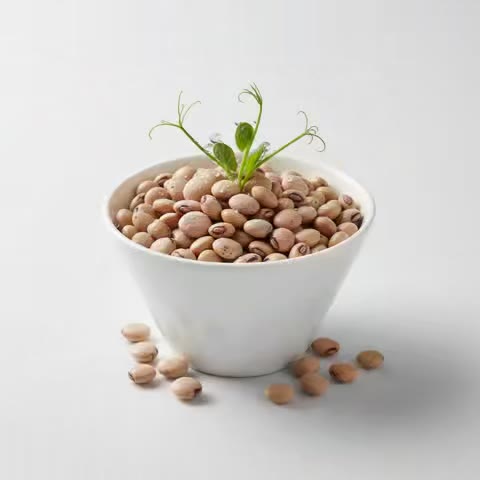
Ashmarighna — the stone-breaker: kulattha is the classical prescription for urinary calculi, and the hot-sharp legume that scrapes kapha and fat from the channels.
Traditional Preparation (Samskara)
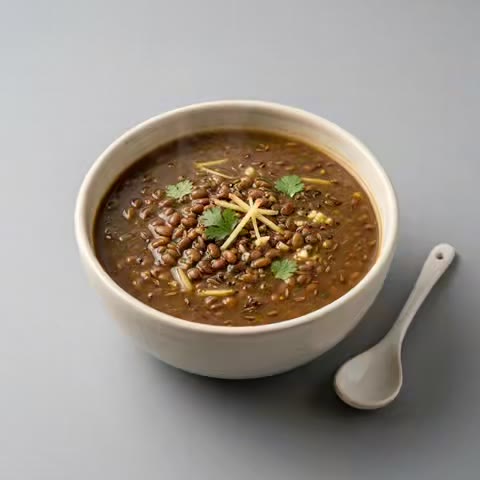
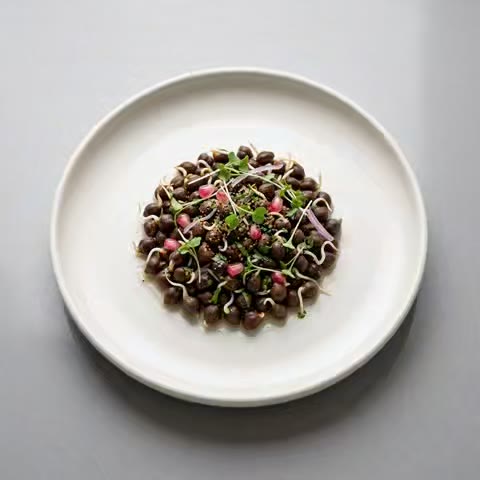
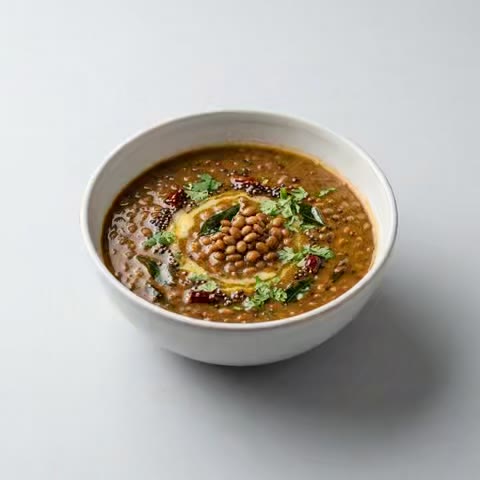
Soaked and simmered into soups, rasams and dals; even its cooking water is kept as medicine. Winter and monsoon food — hot, dry constitutions should pass.
Classical Provenance: Charaka Samhita (kulattha, ashmarighna); Bhavaprakasha; Himalayan winter tradition.
Synergistic Combinations (Samyoga)
- kollu rasam / soup for cold-season kapha
- gahat dal in the Himalayan winter (Uttarakhand)
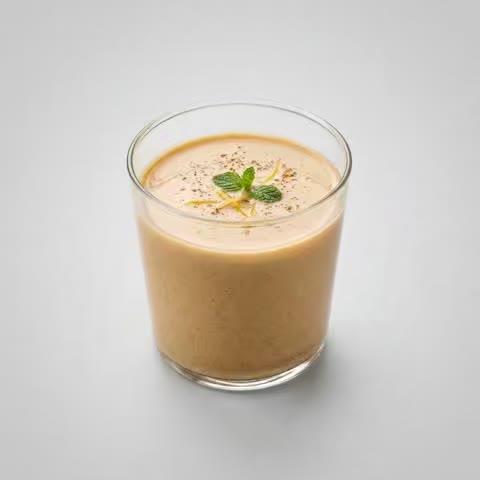
- decoction water taken for urinary gravel (traditional)
Contraindications & Viruddha Āhāra (Food Incompatibilities)
- Contraindication: pitta excess — acidity, bleeding tendencies
- Contraindication: pregnancy (classical caution)
- Contraindication: emaciation and severe dryness (too scraping)
- Contraindication: hyperacidity
- Incompatible pairing (Viruddha): with shilajit courses (classical incompatibility)
- Incompatible pairing (Viruddha): with milk at the same meal (traditional caution)
Verified USDA Nutrition Facts for Horse gram
Complete macronutrient, vitamin, and mineral profile per 100 grams and per 1/4 cup dry (50g):
| Nutrient | Per 100g | Per Serving (1/4 cup dry) |
|---|---|---|
| Energy (Calories) | 330 kcal | 165 kcal |
| Protein | 21.7 g | 10.9 g |
| Total Carbohydrates | 57.2 g | 28.6 g |
| Dietary Fiber | 7.9 g | 3.9 g |
| Total Sugars | 0.3 g | 0.2 g |
| Total Fat | 0.6 g | 0.3 g |
| Calcium | 269.0 mg | 134.5 mg |
| Iron | 8.76 mg | 4.38 mg |
| Magnesium | 152.0 mg | 76.0 mg |
| Phosphorus | 298.0 mg | 149.0 mg |
| Potassium | 1065 mg | 532 mg |
| Sodium | 12 mg | 6 mg |
| Zinc | 2.71 mg | 1.35 mg |
| Copper | 1.29 mg | 0.65 mg |
| Manganese | 3.13 mg | 1.56 mg |
| Selenium | 29.5 µg | 14.7 µg |
| Vitamin C | 0 mg | 0 mg |
| Vitamin A (RAE) | 58.6 µg | 29.3 µg |
| Vitamin E | 0.27 mg | 0.14 mg |
| Vitamin K | 10.2 µg | 5.1 µg |
| Thiamin (Vitamin B1) | 0.32 mg | 0.16 mg |
| Riboflavin (Vitamin B2) | 0.24 mg | 0.12 mg |
| Niacin (Vitamin B3) | 1.82 mg | 0.91 mg |
| Vitamin B6 | 0.21 mg | 0.10 mg |