{'heading': 'Quick Answer: Building an Ayurvedic Evening Wind-Down', 'summary': 'In classical Ayurveda (*Charaka Samhita* Sutrasthana 21.35), sleep (*Nidra*) is revered alongside balanced food (*Ahara*) and wise energy management (*Brahmacharya*) as one of the Three Sub-Pillars of Life (*Trayopasthambha*). An effective Ayurvedic evening routine (*Ratri Charya*) works with the natural evening Kapha window (roughly 6:00 PM to 10:00 PM, when heavy, calm drowsiness naturally rises) rather than pushing past 10:00 PM into the stimulating midnight Pitta window ("second wind"). Practically, this means finishing a warm, light dinner at least 3 hours before bed, dimming bright overhead/blue screens 60 minutes before sleep, practicing 3 minutes of warm oil foot massage (*Pada Abhyanga*) or slow diaphragmatic breathing, and keeping the bedroom cool, dark, and quiet.', 'bullets': ['Catch the pre-10:00 PM wave: In Ayurvedic timekeeping, 6:00–10:00 PM is Kapha time (naturally heavy and sleepy); staying under bright screens past 10:00 PM triggers a "second wind" and suppresses nocturnal melatonin.', 'Leave a 3-hour dinner buffer: Finishing a light, warm evening meal by 6:30–7:30 PM prevents nighttime reflux and elevated core body temperature.', 'Warm the feet to cool the core (Pada Abhyanga): Massaging the soles of the feet with warm oil before bed dilates distal blood vessels in the feet, which physiologically helps drop core body temperature to initiate sleep.', 'Botanical caution on ashwagandha or valerian: Stick to gentle culinary spices (nutmeg pinch, cardamom, or chamomile) unless you have checked supplement safety—NIH NCCIH warns of rare liver injury cases with concentrated ashwagandha extracts and sedative interactions.']}
In classical Ayurveda (*Charaka Samhita* Sutrasthana 21.35), sleep (*Nidra*) is revered alongside balanced food (*Ahara*) and wise energy management (*Brahmacharya*) as one of the Three Sub-Pillars of Life (*Trayopasthambha*). An effective Ayurvedic evening routine (*Ratri Charya*) works with the natural evening Kapha window (roughly 6:00 PM to 10:00 PM, when heavy, calm drowsiness naturally rises) rather than pushing past 10:00 PM into the stimulating midnight Pitta window ("second wind"). Practically, this means finishing a warm, light dinner at least 3 hours before bed, dimming bright overhead/blue screens 60 minutes before sleep, practicing 3 minutes of warm oil foot massage (*Pada Abhyanga*) or slow diaphragmatic breathing, and keeping the bedroom cool, dark, and quiet.
Catch the pre-10:00 PM wave: In Ayurvedic timekeeping, 6:00–10:00 PM is Kapha time (naturally heavy and sleepy); staying under bright screens past 10:00 PM triggers a "second wind" and suppresses nocturnal melatonin.
Leave a 3-hour dinner buffer: Finishing a light, warm evening meal by 6:30–7:30 PM prevents nighttime reflux and elevated core body temperature.
Warm the feet to cool the core (Pada Abhyanga): Massaging the soles of the feet with warm oil before bed dilates distal blood vessels in the feet, which physiologically helps drop core body temperature to initiate sleep.
Botanical caution on ashwagandha or valerian: Stick to gentle culinary spices (nutmeg pinch, cardamom, or chamomile) unless you have checked supplement safety—NIH NCCIH warns of rare liver injury cases with concentrated ashwagandha extracts and sedative interactions.
Nidra as a Pillar of Health and the 10:00 PM "Second Wind" Trap
Nearly everyone has experienced the 10:30 PM paradox: at 9:15 PM on the couch you can barely keep your eyes open, yet if you stay up scrolling on a bright laptop or phone until 10:45 PM, you suddenly feel wired, hungry, and wide awake until 1:00 AM.
Classical Ayurvedic *Ratri Charya* (evening routine) explains this through the transition from the **evening Kapha window (6:00–10:00 PM)**—characterized by physical heaviness, coolness, and natural drowsiness—into the **nighttime Pitta window (10:00 PM–2:00 AM)**, which is meant for internal cellular repair and metabolic housekeeping while asleep, not external visual stimulation and late-night snacking.
Modern circadian neurobiology describes the exact same window: under dim evening light, the pineal gland initiates **Dim Light Melatonin Onset (DLMO)** roughly two hours before habitual sleep time, while core body temperature begins to drop. Exposure to short-wavelength blue light from phones and bright LEDs between 9:00 PM and 11:00 PM acutely suppresses melatonin secretion by the suprachiasmatic nucleus (SCN) and delays sleep onset.
The 60-Minute Ayurvedic & Sleep-Science Evening Timeline
Use this four-step evening sequence to bridge dinner, screen sign-off, and restful sleep without complicated rituals.
| Time Before Bed | Ayurvedic Ratri Charya Step | Modern Sleep Physiology Mechanism | What to Avoid |
|---|---|---|---|
| 3 Hours Before Bed (e.g., 7:00 PM) | Finish a warm, modest evening meal (soups, dal, steamed vegetables) followed by a gentle 10-minute stroll (*Shatapavali*) | Allows gastric emptying to complete before lying flat; prevents nocturnal acid reflux and keeps sleeping heart rate lower | Heavy late dinners, spicy/acidic fried foods, alcohol (which fragments REM sleep in the second half of the night), or caffeine after 12:00–2:00 PM |
| 60 Minutes Before Bed (e.g., 9:00 PM) | Dim household lights to warm low lamps; close work and news screens; brew a small cup of caffeine-free chamomile or warm spiced milk/almond milk (cardamom + tiny pinch nutmeg) | Protects endogenous melatonin rise; warm non-caffeinated liquid provides sensory closure to the day | Bright overhead white LEDs, doomscrolling, intense arguments, or vigorous high-heart-rate workouts |
| 20 Minutes Before Bed (e.g., 9:40 PM) | Wash feet with warm water and massage 1/2 tsp warm sesame or sunflower oil into the soles and ankles (*Pada Abhyanga*), then slip on old cotton socks | Distal vasodilation (warming the hands and feet) radiates heat outward, accelerating the 1 °F–2 °F drop in core body temperature required for slow-wave sleep onset | Walking barefoot on slippery floors with oiled feet—always put cotton socks on right at the bedside |
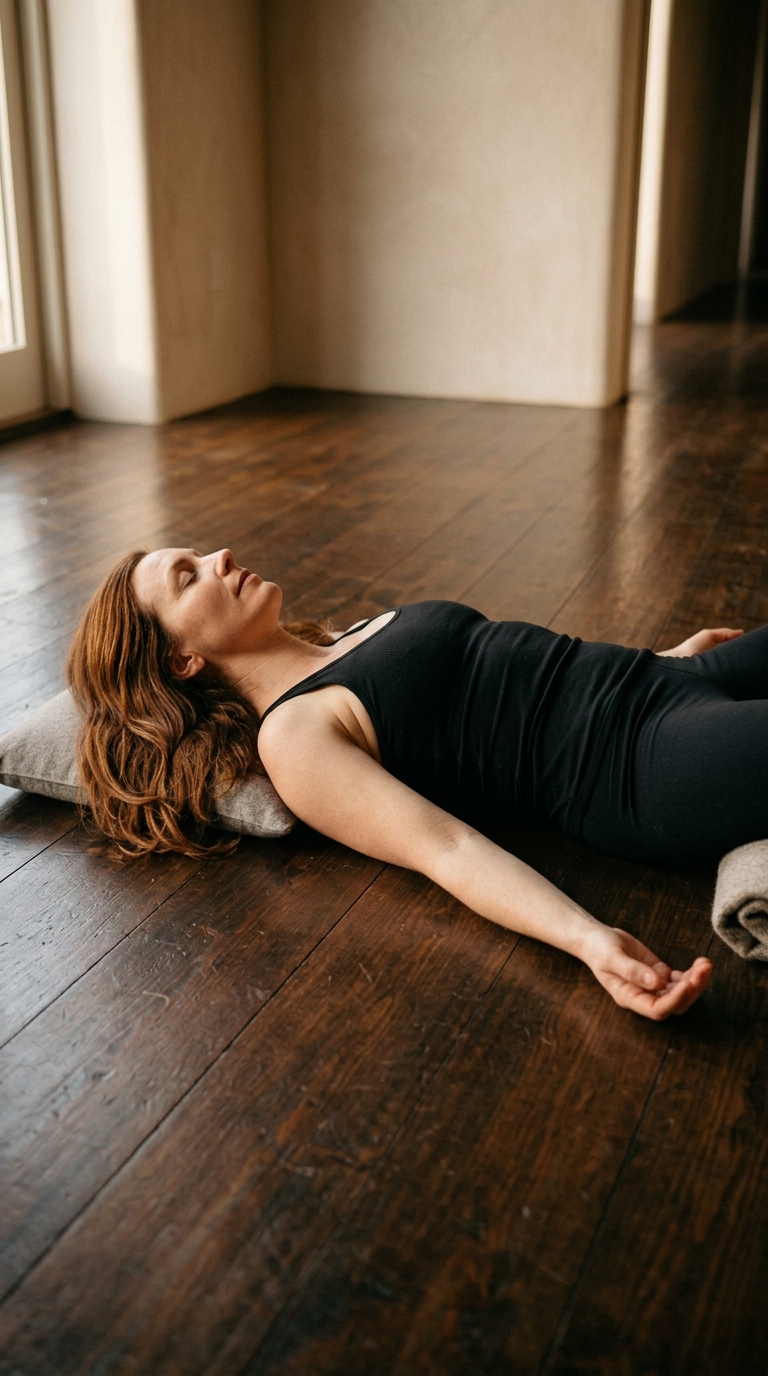
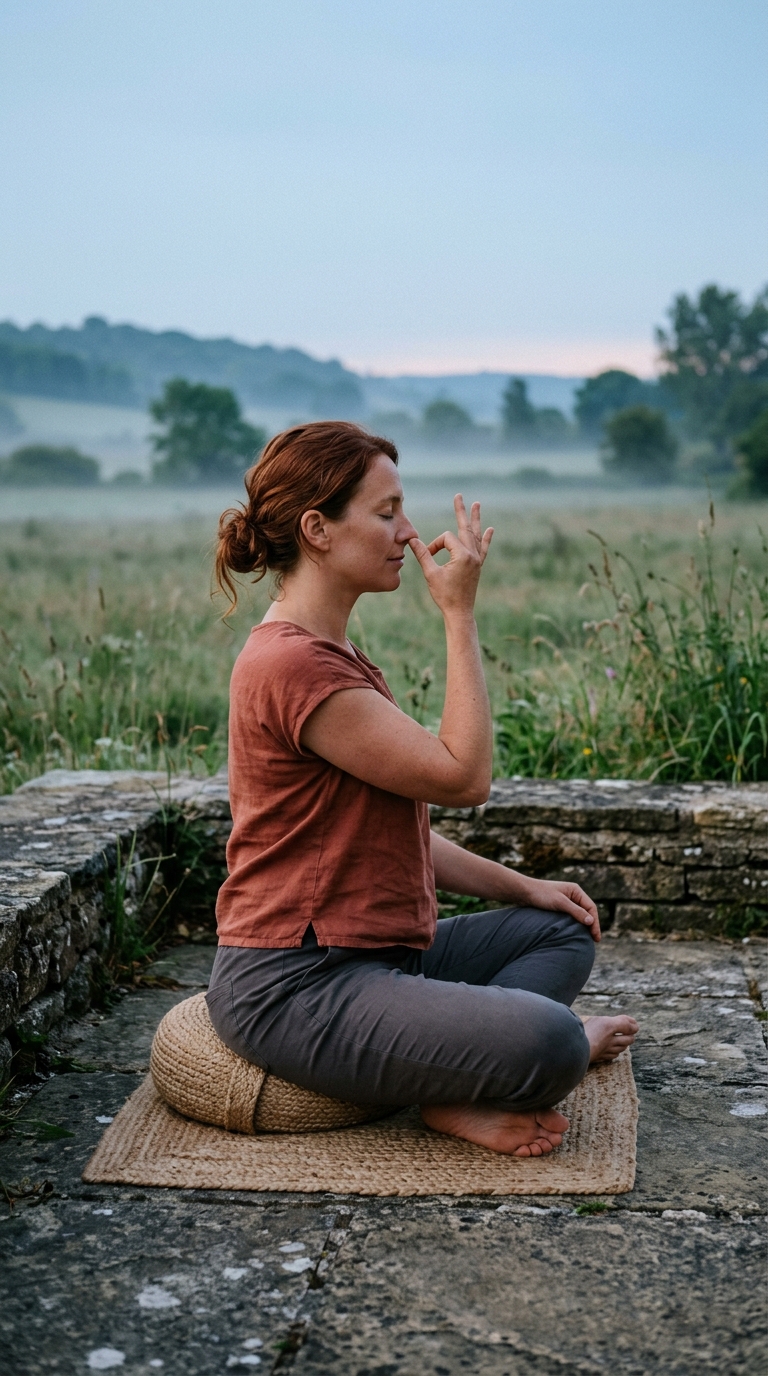
| In Bed (e.g., 10:00 PM) | Practice 5–10 minutes of slow extended-exhale breathing (e.g., 4-second inhale, 6-second exhale) or a guided relaxation / Yoga Nidra audio track (using the app’s `No voice` or `Guided voice` timer) | Lengthening the exhalation stimulates vagal baroreceptors (respiratory sinus arrhythmia), lowering heart rate and quieting racing Vata thoughts | Watching the clock or staying in bed frustrated for >20–30 minutes if wide awake |
Safety Notes on Evening Culinary Spices vs. Concentrated Sleep Supplements
Traditional evening "moon milk" recipes often call for warm milk (or fortified soy/almond milk) simmered with a crushed green cardamom pod, a strand of saffron, and a tiny culinary pinch of freshly grated nutmeg (*Jatiphala*). Keep nutmeg strictly to a tiny culinary pinch (1/16 teaspoon or less): while trace culinary nutmeg is fragrant and soothing, large spoonfuls (5 grams or more) contain toxic levels of myristicin that cause severe nausea, tachycardia, and neurological distress.
Similarly, if considering concentrated botanical sleep supplements such as ashwagandha (*Withania somnifera*) or valerian root, review NIH National Center for Complementary and Integrative Health (NCCIH) safety guidance first: ashwagandha should be avoided during pregnancy, in autoimmune or thyroid disorders without medical supervision, and carries international pharmacovigilance warnings regarding rare cases of idiosyncratic liver injury; and concentrated sedative herbs should never be combined with prescription sleep medications or alcohol.
Key Takeaways
- Align bedtime with the evening 6:00–10:00 PM Kapha window so you fall asleep before the 10:00 PM "second wind" begins.
- Finish a lighter, warm dinner 3 hours before bed, dim bright screens 60 minutes before sleep, and use a 3-minute warm foot massage (Pada Abhyanga with cotton socks) to help cool core body temperature.
- Use the Practices tab in Ayurveda & Asana Yoga (filtering by `Evening` or `Night` and `Relaxation`) for guided wind-down sessions without looking at a bright screen.
Frequently Asked Questions
Why does warming my feet with a foot bath or warm oil massage help me fall asleep when my bedroom is supposed to be cool?
Sleep scientists call this the "warm bath effect" (distal-to-proximal skin temperature gradient): warming the blood vessels in the hands and soles of the feet causes them to dilate, which acts like a radiator to release heat from your internal body core—helping your core temperature drop while keeping the bedroom air cool (~65 °F / 18 °C).
Is daytime napping recommended in Ayurveda if I slept poorly?
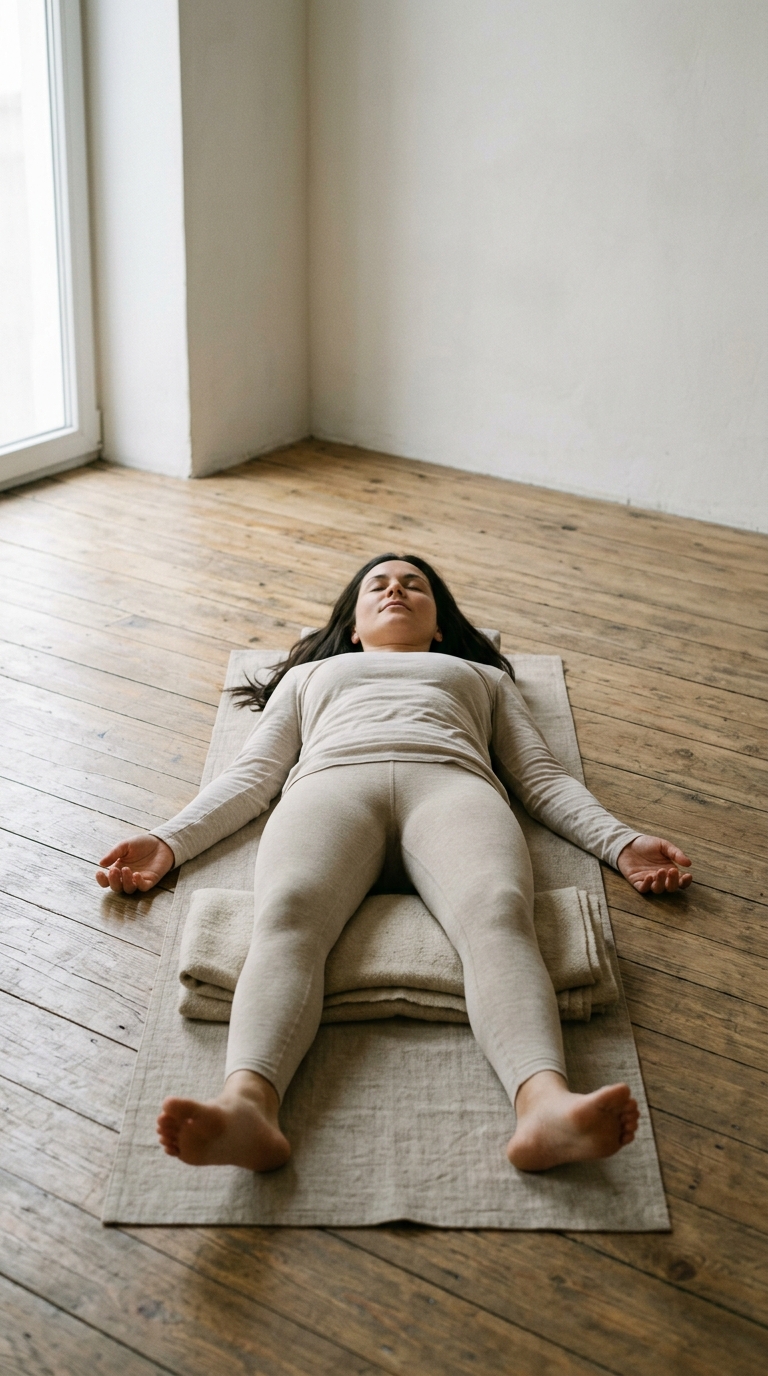
In classical Ayurveda (*Charaka Samhita* Su. 21), daytime sleep (*Divaswapna*) is generally discouraged in Kapha-predominant seasons and after heavy meals because it can increase sluggishness and reduce nighttime sleep drive—except during hot, dry summer days (*Grishma Ritu*), extreme exhaustion, illness recovery, or in the elderly. A 20-minute supine non-sleep rest (such as Yoga Nidra or Savasana) refreshes mental focus without blunting nighttime sleep drive.
Sources & Classical References
- Charaka Samhita Sutrasthana (Chapter 21: Ashtau Ninditiya Adhyaya — Nidra / Sleep & Trayopasthambha) — National Institute of Indian Medical Heritage (CCRAS / Ministry of AYUSH)
- Healthy Sleep Habits and Sleep Hygiene Guidelines — National Heart, Lung, and Blood Institute (NHLBI / NIH)
- Sleep Disorders and Complementary Health Approaches (Relaxation, Melatonin, and Herb Safety) — National Center for Complementary and Integrative Health (NCCIH / NIH)